


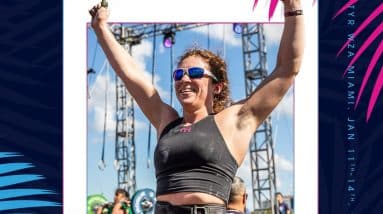
Results of Team Event 5 at the 2024 Wodapalooza Miami
The penultimate event of the 2024 TYR Wodapalooza Miami competition featured a three-round waterfall-style exercise trio of biking, box step-overs, and kettlebell hang snatches.
Team Ice Barrel — Brooke Wells, Baylee Rayl, and Paige Powers — posted the top time among the female teams to build momentum with only one workout to go. Team TYR — Ricky Garard, Jayson Hopper, and Dallin Pepper — sealed the deal for the male teams.
[Stay Tuned: 2024 Wodapalooza Miami Live Results and Leaderboard]
View this post on InstagramA post shared by Baylee Rayl Christophel (@bayleerayl)
Elite Team 5 Results — Waterfall on the Bay
For time, each athlete completes three rounds (waterfall style) of:
- Echo Bike — Men: 24 calories | Women: 18 calories
- Eight Kettlebell Box Step-Overs — Men: 53 pounds | Women: 35 pounds
- 12 Double Kettlebell Hang Snatches
[Related: 2024 Wodapalooza Miami Team Event 4 Results]
Elite Female Team Results
- Team Ice Barrel — 10:24.94
- Stronger Than a 90s Trend — 10:54.69
- Rx Performance — 10:57.00
- Team Bareen — 11:06.65
- NGH — 11:17.34
- Team Scandinadian — 11:18.87
- Fearless Misfits — 11:19.83
- Team Treta — 11:38.75
- Mile High Muscles — 11:46.91
- Kolesnikov Team — 11:49.04
- Dixieland Delight — 11:49.21
- Team Frog Grips — 11:56.81
- Three Queens — 12:00.52
- Lycan Gang — 12:17.03
- Plus Ultra — 12:18.69
- Lifters Girls — 12:19.51
- Reebok Crew — 12:20.70
- US Army Warrior Fitness — 12:21.09
- Conquer Cuties — 12:34.50
- Base Wellness — 12:44.59
- Trailer Park Girls — 13:11.25
- Kriger Meets Trainingculture — 13:13.09
- Torian Black — 13:19.15
- Firebarns Club — 13:24.32
- Leapin Lemurs — 13:30.65
- Limey Girls — 13:34.79
- Sweet Sticky Thicc and Pretty — 13:50.02
Elite Male Team Results
- Team TYR — 9:20.00
- Team Picsil — 9:48.94
- The Strapping Young Lads — 9:55.89
- Team GOWOD — 10:02.89
- Ombré Hombres — 10:26.33
- Picsil Traincult — 10:41.52
- Team Gorila 911 — 10:44.47
- Complex Wodex — 10:47.60
- Conquer Athlete — 10:49.22
- Tres Leches — 10:51.50
- Project Girona — 10:54.21
- CrossFit Mayhem the Empire — 11:05.39
- Omnia — 11:13.77
- Truecoach Traincult — 11:19.87
- EFP — 11:25.53
- Canadians From the East — 11:29.16
- Foxed Ferret Manatee Men — 11:32.60
- Krypton — 11:38.90
- Velitus Traincult — 11:43.43
- Kinesis Black — 11:43.66
- Maxlift Australia — 11:51.44
- Team Overtake — 12:19.51
- Midwest Cowboys — 12:41.00
- Soul Ab Squad — 12:42.66
- DSM Performance TCC — 13:10.59
- Team Evolve — 13:11.63
- Tenskills Pro 1 — 13:21.84
- Rehab to Perform — 13:50.26
- Mayhem Outlaws DNF
- Rx Smart Gear WD
The last event for the Teams division at the 2024 TYR Wodapalooza is titled “Worm Fran,” and it is exactly what it sounds like — thrusters, pull-ups, and muscle-ups galore.
Featured image: @bayleerayl on Instagram
The post 2024 Wodapalooza Miami Team Event 5 Results appeared first on BarBend.
Results of Individual Event 3 at the 2024 Wodapalooza Miami Competition
The closing event of Day One at the 2024 TYR Wodapalooza Miami contest was titled “Deja Vu.” The adjusted workout at Bayfront Park in Miami, FL, due to inclement weather, challenged athletes to row, throw wall balls, pull their chins to the bars, jump over boxes, and snatch some dumbbells.
Below are the full results:
[Stay Tuned: 2024 Wodapalooza Miami Live Results and Leaderboard]
Event 3 Results — Deja Vu
Part A: Three minutes. Part B: Five minutes. Part C: For time (eight-minute time cap). One minute rest between each part.
- Assault Row — Men: 25 calories | Women: 20 calories
- 30 Wall Balls — Men: 20 pounds | Women: 14 pounds
- Strict Chin-Over-Bar Pull-Ups — Men: 20 reps | Women: 14 reps
- 30 Box Jump Overs — Men: 24-inch box | Women: 20-inch box
- 25 Single-Arm Dumbbell Snatches — Men: 100 pounds | Women: 70 pounds
This workout will apply two scores:
- Total reps across all parts
- Time on Part C
View this post on InstagramA post shared by The TYR Wodapalooza (@wodapalooza)
[Related: 2024 Wodapalooza Miami Individual Event 2 Results]
Results are recorded as follows: Athlete (number of reps + time)
Elite Individual Women’s Results
Emma Cary made a big push for the top spot during the last two events of the day. And with only a two-day, five-event weekend, a big push did the trick. The three-time CrossFit Games athlete took first place overall in this event, edging out Arielle Loewen. She came in second to Loewen’s first in Event 2, and successfully switched the order around in Event 3.
In doing so, she tied up second place on the leaderboard, just six points behind overall leader Gabriela Migala.
- Emma Cary (182 + 05:31.0)
- Arielle Loewen (180 + 06:36.4)
- Rebecka Vitesson (170 + 06:15.4)
- Gabriela Migała (169 + 06:18.0)
- Danielle Brandon (166 + 05:56.2)
- Abigail Domit (166 + 06:02.2)
- Rebecca Fuselier (166 + 06:44.6)
- Elizabeth Wishart (165 + 06:53.8)
- Lexi Neely (165 + 06:54.8)
- Sydney Wells (160 + 06:18.2)
- Emily Rolfe (160 + 06:19.9)
- Keara Napoli (157 + 06:52.4)
- Katie Canning (157 + 07:21.4)
- Nina Vragovic (157 + 07:24.4)
- Gabrielle Spenst (156 + 07:21.4)
- Caroline Stanley (155 + 06:36.3)
- Olivia Kerstetter (153 + 06:51.1)
- Jessica Androsik (151 + 07:01.9)
- Callista Lang (150 + 07:02.1)
- Margaux Masset (149 + 07:06.9)
- Grace Walton (147 + 06:20.6)
- Emily De Rooy (147 + 07:44.5)
- Ro Scott (147 + 07:58.7)
- Briony Challis (146 + 07:04.0)
- Andra Moistus (144 + 06:10.1)
- Becca Merritt (143 + 07:17.5)
- Feeroozeh Saghafi (142 + 06:04.7)
- Elena Carratala Sanahuja (142 + 07:07.6)
- Emily Rethwill (142 + 07:15.9)
- Freya Moosbrugger (141 + 06:28.1)
- Allison Weiss (141 + 06:54.5)
- Stacy Lerum (140 + 06:55.7)
- Bergros Bjornsdottir (140 + CAP + 109)
- Dani Speegle (135 + 06:37.5)
- Nicolette Torreggiani (135 + 06:46.0)
- Christee Hollard (135 + 07:07.3)
- Julia Hannaford (135 + 07:50.5)
- Ellia Miller (131 + CAP + 108)
- Ashley Shoemaker (124 + CAP + 117)
- Matilde Oyen Garnes WD
Elite Individual Men’s Results
The men’s side of the competition was full of climbing in Event 3, too. Ricky Garard, who had started the weekend with a lackluster 13th-place finish, also started his climb in Event 2 with a third-place run.
In Event 3, all bets were off as Garard worked his way to first place in the event and on the overall leaderboard. He’ll start off the second and final day of competition just 4.5 points ahead of Patrick Vellner for the top podium spot.
- Ricky Garard (199 + 06:02.1)
- CJ Gerald (198 + 06:44.6)
- Samuel Kwant (195 + 05:53.1)
- Brent Fikowski (193 + 07:48.0)
- Patrick Vellner (190 + 06:04.0)
- Jacob Heart (190 + 06:12.5)
- Roman Khrennikov (189 + 06:29.4)
- Samuel Cournoyer (186 + 06:12.6)
- Jack Farlow (184 + 05:59.0)
- James Sprague (184 + 06:08.9)
- Colten Mertens (184 + 06:43.1)
- John Wood (184 + 06:54.4)
- Nick Mathew (183 + 07:24.2)
- Austin Hatfield (181 + 06:11.6)
- Evan Rogers (181 + 06:54.1)
- Lucas Heuze (180 + 06:39.8)
- Travon Benton (179 + 06:38.8)
- Jack Rozema (179 + 07:06.0)
- Alex Vigneault (179 + 07:15.4)
- Connor Voltz (178 + 06:40.2)
- Harry Lightfoot (178 + 06:41.4)
- Henrik Haapalainen (178 + 07:08.0)
- Drake Lewis (177 + 04:42.3)
- Bronislaw Olenkowicz (176 + 06:50.5)
- Antonios Makaronas (175 + 07:42.1)
- Kalyan Ribeiro De Souza (174 + CAP + 122)
- Guilherme Malheiros (173 + 06:54.4)
- Luke Parker (173 + 07:07.3)
- Kaique Cerveny (172 + 07:08.7)
- Joshua Hong (170 + 07:40.6)
- Spencer Panchik (169 + 05:49.7)
- William Bennett (169 + 07:08.5)
- Francis Pelletier (168 + 07:24.0)
- Juan Ignacio Sforzini (163 + 07:15.9)
- Guilherme Domingues (160 07:51.1)
- Tanner Balazs (153 + CAP + 111)
- Arturo Torres (147 + CAP + 114)
- Nikita Yundov (141 + 07:55.3)
- Martin Feiferlik (129 + CAP + 115)
- Kevin Jurs DNF
- Alexandre Caron WD
[Related: 2024 Wodapalooza Miami Individual Event 1 Results]
The second day of competition for Individuals will feature the remaining two workouts. Once Individual champions are crowned, the Elite Teams will take the competition floor on Jan 13-14 for their competition in Miami.
Featured image: @
The post 2024 Wodapalooza Miami Individual Event 3 Results appeared first on BarBend.

Former NFL Quarterback Christian Ponder is Revolutionizing the Mindset of Retired Athletes in the ‘Post’-Sports Era
Former NFL star Christian Ponder discovered early in his career that a quarterback’s success oftentimes came down to preparation. Now as an entrepreneur, he’s parlaying those football experiences—both good and bad—and other athletic attributes to help former athletes in their transition from the field to the boardroom.
In September, Ponder launched The Post, a private membership club comprised of only professional college and former Olympic athletes. Ponder along with co-founder Jason LaRose, came up with the idea of this sports safe space with the intention of helping create a leadership network for ex-athletes to make the transition to the business world once their careers came to a close.
The adjustment from gameday to life after sports isn’t always seamless—it even affected Ponder, who had earned an MBA while playing at Florida State from 2007-2010, and was already prepared for a post-football life in finance.
“It didn’t take me long like mentally to be like alright, it’s over, it’s time to move on,” Christian Ponder says. “But there was a bit of paralysis by analysis when sports was over. You can choose any path to go down when it comes to do that next chapter, but it’s hard because it’s like, what am I good at? What am I actually interested in outside of sports and it does take a little bit of time to navigate that part of it.”
Ponder adapted, just as he did while during his collegiate days with the Seminoles. It wasn’t as if the Dallas, TX, native’s gameday preparation was ever incomplete. However, an abundance of interceptions—13 INTs as a sophomore at Florida State—as well as a whole host of admittedly bad decisions had placed Christian Ponder at a quarterback crossroads early in his career.
While calls for his benching grew louder, Christian Ponder quietly retreated to the film room, using whatever down time he had to elevate his ability to better read defensive coverages through countless hours of film study. At the same time, with the extra work, he, along with the help of then-offensive coordinator (and eventual head coach) Jimbo Fisher, was able to find and fix the multitude of “correctible errors” that had plagued his 2008 season.
The added prep was partly responsible for a complete offensive turnaround his junior and senior seasons. His interceptions had dropped significantly, his touchdowns increased, and his overall performance was not only helping silence the naysayers—he even got some early season Heisman whispers. His talents and leadership helped elevate his draft status when he was selected 11th pick in the 2011 NFL draft by the Minnesota Vikings. In his second season, Ponder led the Vikings to a playoff appearance.
“Coach Fisher always said the game was won and lost before you ever stepped on the field because of how you prepared, Ponder says. “So if you’re struggling you got to just reinvest much more effort and that much more time to prepare to be able to have that confidence to step on the field and play your best.”
Ponder says the ability to adapt through adversity is one of the attributes that makes athletes successful in the business world. It’s been reported that more than 90 percent of Fortune 500 CEOs played sports, and 52% of all female C-suite CEO played collegiately. With the Post, Ponder has created a club for this like-minded business types to use their skills and resources and sports skills—preparation, teamwork, and the intense commitment to competition—to help others find success in their post-athletic endeavors.
“It’s what we’ve kind of coined the athlete operating system, which is a set of intangibles—work ethic, grittiness, competitiveness and dealing with failure,” Christian Ponder says. “Dealing with it not in a depressing way, but how am I gonna learn from failure even and apply that to the next time. [Athletes are] coachable, ambitious and always trying to achieve more. And I just think those characteristics translate so well into business and sets you up for success.”
While Christian Ponder is continuing to help develop a Winning Strategy for helping other athletes achieve success, the same formula can be applied to his fitness as well. At age 35, Christian Ponder has maintained his NFL playing weight—225 pounds—relying on recycled Vikings training journals he kept for his post-football regiment.
Ponder admits to training with not quite the same intensity as he did during his playing days, when he was a member of the 400-pound bench club while starring at Florida State. These days his muscle maintenance is inspired by maintaining the good graces of his wife, ESPN host Samantha Ponder, by sticking to an agreement they made just after the couple tied the knot.
“After we got married she said, ‘Look when you’re done playing football, you can’t lose 10 pounds and you can’t go over 10 pounds from when we got married,” Christian Ponder recalls. “My playing weight was 225. So I can’t go past 235, and can’t get super skinny. So 225 was an ideal weight was to maintain. It gets harder as you get older…but I’m still right there.”
Winning Strategy: Christian Ponder 1. Most Mistakes Can Be Fixed, if You Work to Find and Correct Them
I had a lot of failures, a lot of bad picks, and just many bad plays. I think back to my redshirt sophomore year at Florida State. It was a bad season. A lot of people thought I shouldn’t be the starter for the next year. But what I did was I spent a lot of time in the film room. I spent a lot of time with my coaches, but also a lot of time by myself figuring out like, Why did you make all those stupid mistakes? What was happening? It made me a lot more confident to realize they were stupid mistakes—all preventable things, and up to me to invest in the time to get better, to study and understand defenses.
I think [former FSU coach] Jimbo Fisher had such a great perspective when it came to quarterbacks and success at the quarterback level. He would ask the question, “Why are we doing this?” “On this play, why is the pass route designed this way against this coverage and who are you identifying? Is it the corner? Inside linebacker? Outside linebacker? Safety? So spending a lot of time learning from that season really helped me have an incredible junior year. I think even after my junior year I could’ve turned pro in the NFL draft, but I had another failure—three interceptions against Clemson. The third [int] would’ve been been a pick 6, and I was so mad I tried to blow up a 230-pound safety—he barely moved and I ended up separating my AC joint and couldn’t go in the draft.
There have been a lot of failures. But what I learned from my sophomore year made me a better player.
 The Post2. Embrace Self Awareness
I appreciate feedback. There are times when it gets hard—it’s hardest when you’re not playing well and you’re not you’re confident. If it keeps piling on it can hurt your confidence. And confidence is really important, especially at the quarterback position and as you get into the higher levels where the pressure is the highest.
Losing your confidence is detrimental to your performance. But I think criticism is an important part of growth. And we have to be aware of the things that aren’t going well. One of the biggest strengths athletes have is this hyper-awareness and self criticism around things like, what went well, but also and more important, what didn’t go well with my performance and how to identify those things. Whether it’s through a coach criticizing me or any other forms of criticism, or just my own criticism against myself, I have to know the things that I can get better at and put in the effort to get better so I can perform better.
At the Post we believe in the strength of self awareness. So the resources that we offer our members include how to invest in self awareness. And then our job is to bring the resources to help our members get better at whatever they identify as things that they may be a little bit deficient in. We can help them get better and offer pathways of growth.
Obviously we don’t criticize people, we help people identify things that they can continue to get better at and how do we help them get there. That’s a part of the athlete journey. That’s a part of everyone’s journey, right? I think it’s your choice, whether you want to have some honest conversations with yourself and if you want to get better, you’ve got to figure out what you can get better at and how to do it.
 The Post3. A Strong Athletic Mindset Requires A Strong Physical Presence
What was so great about being in sports and football was that you had so much structure, especially when it came to working out. You always had a strength coach and a program. I knew that my time playing would eventually end, so I actually kept a lot of my workout books, especially during my time with the Minnesota Vikings, so I still try to follow similar things.
I belong to an Equinox in New York right down the street from me. And as much as I just hate working out in public gyms—where [many] guys aren’t used to like being in weight rooms and putting weights back or like, God forbid, you can’t go get a drink between your sets or someone’s gonna steal your bench. It drives me nuts, but I still try to get to the weightroom about five days a week. I don’t need to be as fit as I was on the football field and don’t need to be throwing around as much weight as I did while I was playing
I’ll also run in Central Park with a buddy of mine a few times a week, as well as do some anaerobic stuff like hill runs. I also play in a basketball league that’s both fun and competitive but also a great workout.
These days, however, I don’t have as much time. Back then it was your job to stay fit and you dedicated your time in the weightroom and conditioning throughout the day. It’s not the case now. I have three kids and I’m the founder of a startup. I don’t have the same amount of time, you know, to spend 90 minutes in the gym and work out.
I’ve learned that sometimes it’s OK to just get 30 minutes in and do what you can. That’s definitely different, and I’ve had to accept that. It got to the point a few years where it was like there was no point to a 30-minute workout. So I wouldn’t work out at all. So it became a change in routine and a change in mindset. I’m not trying to kill myself. At this point, it’s maintenance for me, not about throwing up big numbers. I just want to stay fit enough that I can keep chasing my kids around and live a long healthy life.
View this post on InstagramA post shared by Christian Ponder (@cpseven)
4. Why Christian Ponder Believes Athletes Need Outlets Like The Post
I got my undergrad in finance, and got my MBA while still playing at Florida State. I knew I wanted to get into finance. That’s one of the main reasons we moved to New York, it’s the financial capital world, I think on paper I had it all together. I didn’t expect the transition to be difficult, but it was. I think going through that experience was a big motivating factor for launching the Post.
We’re not trying to help athletes in transition. What we’re trying to do is build a community for athletes to transition into when they’re done. Like what I had when I transitioned to college or when I transitioned to the NFL, we kind of had this veteran locker room to step into and just like we had where you have players who were juniors and seniors in college or players in the NFL for 10-plus years, who knew what it took to compete at that level as a young person. Your building relationships. Learning via osmosis to figure how to compete at that level.
It’s the same what we’re trying to do: How do we take former athletes who are doing extremely well in business because of their athletic background. For me life [post-football] was a loss of identity, a sense of purpose, structure and routine and a loss of community. So for us at the Post, it’s about how to combat that.
Athletes shouldn’t shed their identity when they’re done—success in sports and business require the exact same qualities. In business you’ve got to work hard, you’re gonna be introspective, have great goals, and you’re gonna deal with failure— all the things that made you a great athlete.
View this post on InstagramA post shared by Christian Ponder (@cpseven)
5. Find Your Group of Like-Minded Teammates
In creating the Post, I knew I wasn’t alone. You talk to so many athletes about what they miss most about playing, and it’s usually some version of missing the locker room or the team, which is just another word for community. So I knew I wasn’t alone in those feelings, and before you know, I saw these ideas started happening. I got a lot of feedback, like, why hadn’t this been built already? It seems like an obvious ideas. And I don’t know the answer to that, but I just built it on selfish ambition because I just missed being around other athletes, so I knew I couldn’t have been the only one.
We’re just trying to build that space for athletes to reconnect with their community. Again, it’s a community we’ve been a part of for so long. And what we’re trying to do is create that sports ecosystem that we all participated in, and was created in a way to get the best out of us when it came from an athletic perspective or potential. You had teammates who were there to support you and push you along the way. You had coaches and training and all these resources to unlock as much of that athletic potential as possible. We’re just trying to take that same ecosystem, that same group of people and try to unlock or harness all of that professional business potential that athletes possess because of that athlete operating system as we call it.
So if you miss being a part of that community, if you identify as an athlete, we’re here for you. Our members go from mid 20s to mid 70s. our theme is once an athlete always an athlete, and I think one of the things about athletes is that we always thought our best performance was still ahead of us, so it will always still get better. For us, we’re trying to be that that grease on the wheel that helps you get there.
Discover the Serene Power of Embracing Child’s Pose Throughout Your Entire Yoga Class
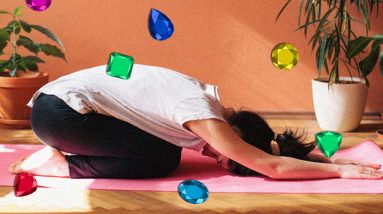
In a dimly lit yoga studio, I was somewhere between cat-cow and threading the needle when tears started swelling up in my eyes. The feeling of deep grief and hopelessness I fought back all day came to a climax while I was on my Lululemon mat. I quickly folded forward into a child’s pose, ignoring the instructor’s flow, and I stayed put for the rest of class. Doing so felt most aligned for me in the moment.
The power of tuning into what your body and soul needs in the present moment is honest and liberating. But that day in the studio, when I was was overcome with emotion, I wasn’t focused first and foremost on what my body was asking of me. Rather, I was just trying to get myself into a compact position, so as to not be remembered “yoga-class crier.”
I laid there raw, belly between my thighs, arms stretched forward like two railroad tracks, and my head peeking between them. Intrusive thoughts took up residence in my mind: Did the teacher think I was being disruptive? Did the other students see me as an annoyance? Yoga is about taking what you need, right?
I’m a certified yoga teacher who had, at that point, facilitated dozens of classes, during which I’d invited students to consider child’s pose, or balasana, as their home base. I welcomed them to find it at any point in class when they needed a moment to recenter or find their breath. During the yoga class when I found myself in child’s pose as a calming measure, I found myself needing to take my own advice—to take a breath, as I was searching for a home.
A reminder: Child’s pose is yoga
Yoga, which means “union,” in sanskrit refers to a marriage of the mind, body, and soul. Meaning, it’s much more than a purely physical exercise. The asanas, or yoga postures, are just one tool yoga offers to help bring the mind to a state of awareness. Asanas alone, though, are not reflective of the full meaning of yoga.
The eight limbs of yoga are philosophies from Patanjali’s Yoga Sutra, which aim to teach how to live a meaningful life and provide a path to enlightenment. Asana is one of the eight limbs. Samadhi is the last phase of the eight limbs of yoga, and it’s characterized by intense focus and arriving at a state of bliss and union with the self. But sometimes, you must wrestle or struggle to access peace, and clarity.
Maintaining my child’s pose was my personal struggle during that class. I chose to tune in to the strong emotions that washed over me as I sought solace; I resisted the urge to get up and back into the flow, in light of fear for what classmates may have thought of me. I didn’t allow my ego to bully me into prioritizing external acceptance over internal need. With deep breaths and a surrendered heart to the earth, I sat in the uncomfortable awareness of it all for the duration of class.
Even so, I never intended to go to yoga class and then break down emotionally. I didn’t consciously realize that I was in a depleted state and needed turn inward before I could outwardly express. After paying the $28 class rate, I fully intended to participate. In fact, movement often supports me in releasing my uninhibited emotions. But my body—as I would soon learn—was beckoning for something different.
Remaining in a child’s pose allowed me to experience my most authentic form of practice at that moment: awareness of self.
Remaining in a child’s pose allowed me to experience my most authentic form of practice at that moment: awareness of self. And immersing myself into my feelings in that one pose for the duration of class was a a fruitful yoga experience.
There’s no way to control when your proverbial dam breaks, and the resulting flow of emotions may overtake you. When this happens, it’s important to take solace in knowing that the only path to liberation is through the chaos. After you fall apart is when you tend to grow. What may feel like destruction, pain, and turmoil in the moment, is what gives way to fertile soil where you can plant new seeds. From there, opportunities can emerge. Sometimes, getting to that fertile ground may involve crying in child’s pose for an entire yoga class.
Child’s pose can be the ‘right use of energy’
Staying in one posture for an extended period of time supported my total emotional surrender. I allowed myself to soften in a way that movement-focused yoga flows wouldn’t have supported. As my forehead touched the ground, I felt safe to fall apart. Soon, tears spilled over the edges of my mat. When moments of self-doubt arose, I self-soothed by rocking my forehead back and forth. I began tapping into my vagus nerve, activating my parasympathetic nervous system, which contributes relaxation of the body. I acknowledged the temporary nature of my feelings, and affirmed I wouldn’t always feel scattered, but in that moment of barely holding on, my emotions were valid and welcomed. I embodied compassion for myself.
There is a yoga principle called brahmacharya, which means “the right use of energy.” Brahmacharya encourages us to be transformed by our yoga practice by listening to our body and letting the practice serve us; by directing our power away from external desires and instead toward finding peace and happiness within ourselves.
Given that yoga means “union,” it’s crucial that I remain open to receive what I need, even if it shows up in a way that feels disruptive. There is a proclivity in movement classes—and life—to push ourselves beyond our edge; to keep up and look accomplished. What if the real accomplishment were giving yourself precisely what you needed, moment by moment, no more or less? To embrace yourself as you are, with all your weaknesses and strengths? To affirm you are powerful and you always have the choice to take what you need unabashedly? That feels like a worthwhile way to spend a yoga session to me. And so I continue inviting students of mine and myself to consider child’s pose as calming home base in yoga.
My Journey to the Top 3 in “Squid Game: The Challenge” – Unveiling My Fitness Regimen, Winning Tactics, and the Notorious Green Outfits – By Sam Lantz
As a reality television watcher, I became deliriously happy when “Squid Game: The Challenge” picked me to appear on the show’s first season on Netflix.
But after whooping it up with my husband, I got down to work.
Reality shows are usually physical, requiring people to push their bodies to the limit. As an avid gym rat, I wasn’t worried. Working out is about positive mental health for me, which is why I hit the gym seven days a week. I’m tall — a towering 6’7” — so my focus is on “putting roots into the ground,” meaning making my tall frame as still as possible, so I’m not only focusing on whatever muscles I’m working on, but I’m also firming up my core to get a secondary workout as well.
I have three different abdominal/core routines that I like. I choose one to finish with every day: either 2 sets of 25 reps of leg lifts, or 2 sets of 25 reps of side and flat planks, or 2 sets of 25 reps on whatever ab machines are available. Finishing with a different ab workout every day keeps the muscles from becoming too complacent. Working out didn’t come natural to me. In my early life I was a super skinny kid who hated his body. My confidence in the gym came from figuring out that the gym wasn’t a scary place but instead was a space to simply make myself feel better; almost my therapy. Everyone needs that, but especially young people like me who didn’t have the family support to survive life, no less reality television.
So how did the lessons I learned from my workout regimen help me survive all 10 episodes of “Squid Game” where I ended up as one of three finalists out of 456 players?
First, I had watched the original scripted “Squid Game” series that preceded the reality version. Through three separate viewings I knew I would need to prepare to survive games like “Red Light Green Light” that required fast sprints and frozen posing. So, before the January 2023 taping, I prepared by running a quarter of a mile every day on a treadmill. I typically don’t like running, but after that regimen my body assimilated to jumping into sudden action.
Secondly, I knew that the real physical pain from “Squid Game” would be mental. Like most reality shows, the players are confined from the outside world. We were completely infantilized. We lived together in a dorm for 17 long days, only saw sunlight a limited amount every day, didn’t know the time, watch the news, or have a cell phone, and we ate every meal together. It’s no surprise, then, that our emotions hung from a thread — which makes for great television, but oftentimes not great decision-making.
For this I prepared by learning meditation to calm myself every morning, or whenever it was needed. It especially came in handy in the “white room of doom” where we were staged before each challenge. I also came to peace with giving up control. My “Squid Game” life existed in an artificial world created by the show’s producers. I knew to expect nothing, which helped give me the balance needed to survive sudden upsets or player drama. There was a flow to those 17 days, so I did my best to not fear it or fight it, but to flow along wherever it took me.
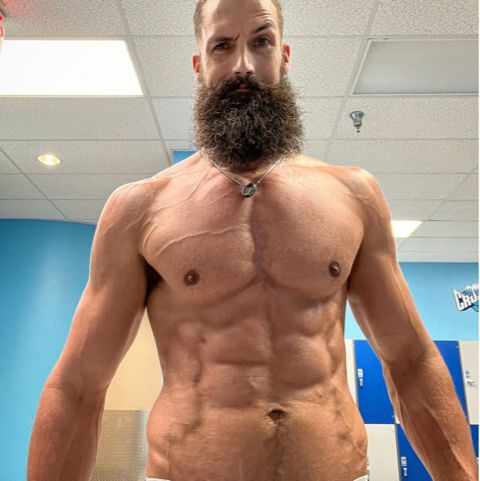
Finally, I hid my strengths. Luckily, the wardrobe design on “Squid Game” required players in shapeless green tracksuits. Mine was sized double extra-large, which meant it was easy to hide my physique. As a reality show watcher, I am aware of the universal rule that says the players who are the most in shape tend to have a target on their back because our reptilian brains tell us that they are threats.
I downplayed physical strength which helped me focus more on the social and mental rigor the game required. I became friends with everyone. I hugged people when they needed hugs, I shook hands and high-fived when others achieved victory. I made a specific choice to be everyone’s favorite number three — Not their best friend and not their worst enemy.
Instead, I just wanted to be the low-key guy who would never be considered a threat, and in a situation designed around identifying those who would be a threat to your game, this social interaction was key. In the end, the competition was less about physical challenges and more about social relationships, mental fortitude, and chance.
“Squid Game” gave me the gift of understanding that I can withstand anything. Growing up gay in a household that didn’t want me, I was often told I would never amount to anything. That gave me the strength I knew I had before “Squid Game.” But by pushing me to new extremes, I realized just how strong I had become.
The game of life is not unlike the game of television. My time on “Squid Game: The Challenge” didn’t result in millions in prize money, but I learned it had an unexpected payoff: an awareness of how strong I really am, outside and in.
Sam Lantz is an artist living in Fort Lauderdale. He was among the top three finalist in “Squid Game: The Challenge” on Netflix.
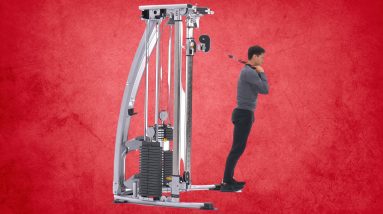
Tips for Strengthening Abs with the Standing Rope Crunch Technique
Are you looking for an exercise that can strengthen your core and help you get the toned midsection you desire? Standing Rope Crunches are the perfect solution! This challenging exercise targets your abdominal muscles, obliques and lower back, helping you build strength and burn calories. With FitGAG’s expert guide, you’ll be able to master Standing Rope Crunches and achieve your fitness goals. So what are you waiting for? Get started on your Standing Rope Crunch journey today!
Exercise Information
The Standing Rope Crunch is a resistance training exercise that targets the muscles in the core. This exercise involves using a rope to add resistance and challenge your core muscles throughout the entire range of motion, making it an effective workout for those looking to strengthen their core. Let’s dive into some general information about this exercise:
Level
The Standing Rope Crunch is suitable for individuals of all fitness levels, from beginners to advanced athletes.
Equipment
To perform the Standing Rope Crunch, you will need a rope.
Type of Exercise
The Standing Rope Crunch is an isolation exercise that targets the muscles in the core, involving a single-joint movement that mainly focuses on one specific muscle group.
Standing Rope Crunch: Working Muscles
The Standing Rope Crunch is an isolation exercise that primarily targets the muscles of the abdominal region. This exercise involves using a rope attached to a high anchor point, such as a pull-up bar, to add resistance to the traditional crunch motion. In this section, we will discuss the primary and secondary muscle groups that are involved during the Standing Rope Crunch exercise.
Primary Muscle Group: Abdominals
The primary muscle group targeted during the Standing Rope Crunch exercise is the abdominal region, including the rectus abdominis, transverse abdominis, and oblique muscles. These muscles are responsible for flexing the trunk of the body, which is the primary motion of the Standing Rope Crunch exercise.
Secondary Muscle Group: Shoulders
In addition to the primary muscle group, the Standing Rope Crunch exercise also engages the muscles of the shoulders. The rotator cuff muscles and middle deltoid muscles are engaged during the crunching motion to stabilize the joint and maintain proper posture.
By engaging both the primary and secondary muscle groups, the Standing Rope Crunch exercise provides a comprehensive core workout. This makes it an effective exercise for building abdominal muscle strength and size, improving posture and stability, and developing functional fitness for activities in daily life.
Stay tuned for the next section, where we will discuss the benefits of the Standing Rope Crunch exercise.
Benefits of Standing Rope Crunch
Standing Rope Crunch is an exercise that targets your core and offers several benefits. Here are five benefits of incorporating this exercise into your fitness routine:
- Improved Core Strength: Standing Rope Crunch helps improve your core strength by engaging your abdominal muscles and developing overall stability in the core.
- Enhanced Balance and Stability: Standing Rope Crunch engages more muscles in the upper and lower body, which can help improve overall balance and stability.
- Increased Range of Motion: Standing Rope Crunch allows you to work your core through a full range of motion, which can help improve your overall flexibility.
- Reduced Risk of Injury: Standing Rope Crunch can help improve your overall joint stability and reduce the risk of injury and strain on your abdominal muscles.
- Variation and Progression: Standing Rope Crunch can add variation to your core workouts, which can help prevent boredom and stimulate new muscle growth. Additionally, the exercise can be made more challenging by using a heavier rope or increasing the number of reps.
By incorporating Standing Rope Crunch into your fitness routine, you can enjoy these benefits and more. However, it’s important to start slowly and progress gradually to avoid injury and ensure proper form. Additionally, it’s important to incorporate a variety of exercises into your fitness routine to ensure you’re targeting all muscle groups and avoiding boredom.
Standing Rope Crunch: Step-by-Step Instructions
The standing rope crunch is an exercise that works your abdominals and obliques. Here are the step-by-step instructions for performing the standing rope crunch:
Starting Position:
- Hold a rope in both hands, with your palms facing each other.
- Stand with your feet slightly wider than shoulder-width apart.
- Tighten your core and keep your back straight.
Now, let’s move on to the step-by-step instructions for the standing rope crunch:
- Begin by crunching your core, bringing your elbows in towards your torso.
- Pause briefly at the end of the movement, when your elbows are just outside your chest.
- Slowly release the movement and bring your arms back to the starting position.
Repeat the movement for the desired number of repetitions.
Standing Rope Crunch – Proper Form and Technique
The Standing Rope Crunch is an effective exercise that targets the core muscles. This exercise is performed using a rope, and proper form and technique are important to avoid injury and achieve maximum results.
Starting Position
- Stand upright with your feet hip-width apart and the rope looped around your hands.
- Hold the rope with both hands, with your arms extended straight out in front of you.
- Engage your core muscles and maintain a stable base.
Proper Form and Technique
- Crunch the Rope: Crunch the rope by pulling the rope up towards your body, squeezing your core muscles.
- Keep Your Arms Straight: Keep your arms straight and your elbows slightly bent throughout the exercise, using your abdominal muscles to control the movement.
- Return to the Starting Position: Return to the starting position by bringing the rope back to the starting position in front of your body.
- Breathe Deeply: Breathe deeply and regularly throughout the exercise to maintain your energy and focus.
- Gradually Increase Intensity: Gradually increase the number of repetitions or sets of the exercise over time as your abdominal muscles become stronger.
- Incorporate into Your Routine: The Standing Rope Crunch can be a great addition to your core training routine, helping you to build strength and muscle effectively.
By following these tips, you can perform the Standing Rope Crunch with proper form and technique, building and strengthening your core muscles effectively while minimizing the risk of injury. Remember to start slowly, focus on your breathing, and gradually increase the difficulty and intensity of the exercise over time.
Frequency and Progression: How to Get the Most Out of Your Standing Rope Crunch Workouts
The Standing Rope Crunch is a resistance band exercise that targets the core muscles, specifically the obliques and rectus abdominus. In this section, we will discuss how to properly incorporate the Standing Rope Crunch into your workout routine and how to progress with this exercise over time.
Frequency
To see significant results with the Standing Rope Crunch, it is recommended to perform this exercise 2-3 times a week. However, it is important to listen to your body and avoid overtraining. If you feel any pain or discomfort, stop the exercise immediately. You can also alternate between the Standing Rope Crunch and other core exercises, such as planks or Russian twists.
Progressive Overload
To progress with the Standing Rope Crunch, it is important to gradually increase the difficulty of the exercise over time. Start with a lighter band resistance and gradually increase the resistance as you become stronger. Another way to progress is to decrease the rest time between sets or increase the number of repetitions. Gradually increase the resistance and reps/sets and avoid adding too much too quickly.
Mix It Up
To prevent boredom and keep your Standing Rope Crunch workouts fresh, it is important to mix up your exercise routine. You can perform the Standing Rope Crunch with different types of bands or vary the number of reps and sets. You can also incorporate other core exercises, such as bicycles or mountain climbers.
Proper Form
Proper form is essential when performing the Standing Rope Crunch to avoid injury and get the most out of the exercise. Start by holding the band with both hands and standing with your feet shoulder-width apart. Your hands should be in front of your chest with your elbows slightly bent. Pull the band apart by spreading your hands out to your sides, keeping your elbows in line with your shoulders. Squeeze your abdominal muscles together at the end of the movement. Return to the starting position by slowly bringing your hands back together. Keep your core engaged and your back straight throughout the movement.
Track Your Progress
To ensure you are making progress and staying on track with your Standing Rope Crunch workouts, it is important to track your progress. Keep a workout journal or use a fitness app to log the band resistance, reps, and sets for each exercise. This will help you identify areas where you need to improve and keep you motivated to continue pushing yourself.
Incorporating the Standing Rope Crunch into your core workout routine can be a great way to build strength and improve your posture. By following these tips for frequency, progressive overload, and proper form, you can ensure that you are getting the most out of your Standing Rope Crunch workouts and reaching your fitness goals.
Mistakes of Standing Rope Crunch Exercise
The standing rope crunch exercise is a great way to target your abdominal muscles and strengthen your core. However, like any exercise, there are common mistakes that can reduce its effectiveness and increase the risk of injury. Here are five mistakes to avoid during the standing rope crunch exercise:
- Not using proper form: Using poor form during the standing rope crunch exercise can reduce its effectiveness and increase the risk of injury. It’s essential to maintain proper alignment of the spine, hips, and shoulders throughout the exercise.
- Using too much resistance: Using too much resistance during the standing rope crunch exercise can increase the risk of injury and reduce its effectiveness. Instead, focus on using a rope with appropriate resistance that allows you to maintain proper form.
- Not using a full range of motion: Neglecting to use a full range of motion during the standing rope crunch exercise can reduce its effectiveness. Make sure to fully extend your arms in front of your body before returning to the starting position.
- Not engaging the abdominal muscles: Engaging the abdominal muscles is essential to ensure that you are targeting the correct muscles during the standing rope crunch exercise. Failure to engage these muscles can reduce the effectiveness of the exercise.
- Not using proper breathing: Using improper breathing technique during the standing rope crunch exercise can reduce its effectiveness and increase the risk of injury. Make sure to exhale as you pull the rope towards your chest and inhale as you return to the starting position.
By avoiding these common mistakes, you can ensure that you are getting the most out of your standing rope crunch exercise while reducing the risk of injury. Remember to use proper form, use an appropriate resistance, use a full range of motion, engage the abdominal muscles, and use proper breathing throughout the exercise. With consistent practice, you can improve your core strength and develop better posture with the standing rope crunch exercise.
Variations of Standing Rope Crunch: Add Challenge to Your Core Training
Standing Rope Crunch is a great exercise to help target and strengthen your core muscles. However, doing the same exercise every day can become monotonous over time. Here are some variations to add challenge and variety to your training routine and challenge your core muscles in different ways:
Single-Arm Standing Rope Crunch
This variation involves performing the exercise with one arm at a time, which adds more challenge to your balance and stability and targets your core muscles from a different angle. Be sure to keep your core engaged and your feet slightly apart as you perform the exercise.
Standing Rope Crunch with Resistance Bands
This variation involves using heavier resistance bands to add extra resistance and challenge your core muscles. Be sure to use proper form and technique and avoid jerking or pulling the bands.
Standing Rope Crunch with Pause
This variation involves pausing for a few seconds at the end of each repetition, which challenges your core muscles and improves your overall muscular endurance. Be sure to keep your core engaged and your feet slightly apart throughout the exercise.
Standing Rope Crunch with Isometric Hold
This variation involves holding the fully contracted position of the exercise for a few seconds, which challenges your core muscles and improves your overall muscular endurance. Be sure to keep your core engaged and your feet slightly apart throughout the exercise.
Standing Rope Crunch with Cross Body Reach
This variation involves adding a cross body reach to the exercise, which targets your core muscles and improves your overall core strength and stability.
Incorporating these variations into your Standing Rope Crunch routine can help you add challenge and variety to your core training and achieve greater gains in overall core strength and athletic performance. As always, make sure to use proper form and technique to avoid injury.
Standing Rope Crunch: 5 Alternatives to Strengthen Your Core
The standing rope crunch is a great exercise for strengthening your core and improving your posture. However, if you’re looking to mix up your routine or add some variety, there are plenty of alternatives you can try. In this section, we’ll explore five exercises that target your core and can help you build strength and improve your posture.
Plank
The plank is a great exercise for targeting your core and improving your posture.
- Lie face down on the floor and prop yourself up on your forearms.
- Engage your core and lift your body up, keeping your back straight and your feet together.
- Hold the position for the desired amount of time before lowering back down.
Bird Dogs
Bird dogs are a great exercise for targeting your core and building strength.
- Start on your hands and knees and extend one arm in front of you and the opposite leg behind you.
- Engage your core and keep your back and leg straight while you hold the position.
- Lower your arm and leg back down and repeat on the opposite side for the desired number of repetitions.
Hollow Holds
Hollow holds are a great exercise for targeting your core and building strength.
- Lie face up on the floor and lift your legs and arms off the ground.
- Engage your core and keep your back and legs straight while you hold the position.
- Lower your legs and arms back down and repeat for the desired number of repetitions.
Flutter Kicks
Flutter kicks are a great exercise for targeting your core and improving your posture.
- Lie face down on the floor and lift your legs off the ground.
- Alternate kicking your legs up and down while keeping your core engaged.
- Continue for the desired number of repetitions.
Crunches
Crunches are a great exercise for targeting your core and strengthening your abs.
- Lie face up on the floor and bend your knees so your feet are flat on the ground.
- Engage your core and crunch your chest towards your knees.
- Lower your chest back down and repeat for the desired number of repetitions.
Incorporating these alternatives to standing rope crunch exercises into your routine is a great way to strengthen your core and improve your posture. These exercises require little to no equipment and can be done at home or at the gym. Give them a try and see how they work for you!
Standing Rope Crunch: Tips and Tricks for Developing Stronger Core Muscles
The Standing Rope Crunch is an excellent exercise to help you develop stronger core muscles. In this section, we’ll share some tips and tricks to help you perform the Standing Rope Crunch correctly and get the most out of it.
- Warm-Up: Before performing the Standing Rope Crunch, it’s important to warm up your entire core. You can do this by performing some light cardio or dynamic stretching, such as side bends.
- Use the Right Equipment: To perform the Standing Rope Crunch, you need a rope and a sturdy object to secure it to. Make sure you choose the right resistance level for your needs and follow the manufacturer’s instructions for use.
- Proper Form: Maintaining proper form is crucial when performing the Standing Rope Crunch. Begin by holding the rope securely in both hands, with your palms facing down. Keeping your arms straight, pull the rope up until your hands are at chest level, then slowly return to the starting position.
- Engage Your Core Muscles: To perform the Standing Rope Crunch correctly, you need to engage your core muscles. Focus on squeezing your abs as you pull the rope up.
- Use the Right Repetition Range: Aim to perform 2-3 sets of 8-12 reps with the Standing Rope Crunch.
- Mix it Up: Mixing up your Standing Rope Crunch routine can help keep your workout fresh and challenging. You can try different variations, such as changing the resistance level or using a different hand position.
- Stretch Afterwards: After performing the Standing Rope Crunch, it’s important to stretch your entire core, especially your abs and lower back.
- Listen to Your Body: As with any exercise, it’s important to listen to your body and avoid pushing beyond your limits. If you feel any discomfort or pain, stop the exercise immediately.
Incorporating these tips and tricks into your Standing Rope Crunch routine can help you get the most out of this exercise and achieve stronger core muscles. Remember to always maintain proper form, engage your core muscles, and listen to your body. With time and practice, you’ll be able to perform the Standing Rope Crunch like a pro and enjoy the benefits of stronger and more toned core muscles.
Incorporating Standing Rope Crunches into Your Workout Routine for Maximum Effect
Standing rope crunches are a great exercise for strengthening your core and improving your posture. Here are some tips to help you incorporate this exercise into your workout routine for maximum effect:
- Warm-up properly: Before doing standing rope crunches, it’s important to warm up your core with exercises like side planks, bridges, and bird dogs.
- Use proper form: To perform standing rope crunches, stand with your feet shoulder-width apart and hold a resistance band with both hands. Extend your arms straight out in front of you, holding the ends of the band at shoulder height. Then, pull the band towards the top of your head by crunching your abs and bringing your elbows towards your knees. Return to the starting position and repeat.
- Mix up your routine: Don’t just perform standing rope crunches in isolation. Mix it up by incorporating other core exercises, such as planks, V-sits, and Russian twists.
- Use progressive overload: To continue to see progress, you’ll need to use progressive overload, which means gradually increasing the resistance or repetitions over time.
- Don’t overdo it: It’s important to give your muscles time to recover, so don’t overdo it with standing rope crunches. Aim to perform the exercise for 2-3 sets, 1-2 times per week.
- Focus on your breathing: It’s important to regulate your breathing throughout the exercise to ensure that you’re getting enough oxygen to your muscles. Inhale as you crunch and exhale as you return to the starting position.
- Engage your core: To get the most out of standing rope crunches, make sure to engage your core muscles, including your abs, lower back, and obliques. This will help you maintain proper form and prevent injury.
- Rest between sets: Allow your muscles time to recover between sets. Rest for 60-90 seconds between sets to ensure that you’re performing each rep with proper form.
- Incorporate standing rope crunches into your workout routine: In addition to incorporating standing rope crunches into your workout routine, consider doing them as part of a superset or a circuit to challenge your muscles even more.
By incorporating these tips into your workout routine, you’ll be well on your way to maximizing the benefits of standing rope crunches and achieving stronger core muscles and improved posture.
Ultimate Workout Plan for Standing Rope Crunch
Standing Rope Crunch is an excellent exercise for strengthening and toning your core. Here’s a one-week workout plan to help you incorporate Standing Rope Crunch into your routine:
Day 1: Warm-up
- Warm-up: 5-10 minutes of cardio
- Standing Rope Crunch: 3 sets x 12-15 reps
- Plank: 3 sets x 30-60 seconds
- Hanging Leg Raises: 3 sets x 10 reps
- Decline Crunches: 3 sets x 12 reps
- Cool-down: 5-10 minutes of stretching
Day 2: Rest Day Day 3: Lower Body
- Warm-up: 5-10 minutes of cardio
- Standing Rope Crunch: 3 sets x 12-15 reps
- Squats: 3 sets x 10 reps
- Lunges: 3 sets x 10 reps
- Calf Raises: 3 sets x 12 reps
- Cool-down: 5-10 minutes of stretching
Day 4: Rest Day Day 5: Full Body
- Warm-up: 5-10 minutes of cardio
- Standing Rope Crunch: 3 sets x 12-15 reps
- Burpees: 3 sets x 12 reps
- Mountain Climbers: 3 sets x 10 reps
- Jump Squats: 3 sets x 15 reps
- Cool-down: 5-10 minutes of stretching
Day 6: Rest Day Day 7: Core
- Warm-up: 5-10 minutes of cardio
- Standing Rope Crunch: 3 sets x 12-15 reps
- Russian Twists: 3 sets x 10 reps
- V-Ups: 3 sets x 10 reps
- Side Plank: 3 sets x 15 seconds (each side)
- Cool-down: 5-10 minutes of stretching
Remember to maintain proper form and technique when performing Standing Rope Crunch. Keep your movements slow and controlled, and focus on engaging your core..

Get Ready to Crush Your Lower Body with Shelley Hennig’s Intense Workout
Shelley Hennig is steaming up television screens all around the world with her star turn in Netflix’s hit series Obliterated, but in order to get into insane shape and look stunning sans-clothing, Hennig knew that that she would need to give her all to the process of sculpting her physique. Thanks to her years as a competitive dancer, the former Miss Teen USA is usually fit and ready to go, but for the role of “Ava Winters,” and to be believable as a CIA field agent, Hennig enlisted a strength and conditioning coach to add around ten pounds of lean muscle mass. Here’s the “Obliterated” lower-body workout that completed the mission.
Trained by Simon Otero at Rough Rider Barbell Club in Albuquerque, New MM, Hennig had only a few weeks to prepare for her role as an elite special forces agent in the action-comedy-drama, “Obliterated,” streaming now on Netflix. As a former competitive dancer who loves to be active, Hennig usually maintains her fitness levels by attending sessions at Cardio Barre where she is able to execute fast ballet movements to get her sweat dripping and the body pumping. Hennig also loves to box and participates in Yoga sculpting sessions.
For “Obliterated,” the former beauty queen wanted to move away from the lighter ballet look, in order to present herself as a kick-ass character. To do that, she understood that weight training would be essential in order to get killer quads and a buff booty for those bikini and virtually-naked scenes, and so she enlisted the services of strength and conditioning coach, Simon Otero. “When Shelley came to me, the goal was to put on muscle while still maintaining an athletic and feminine look for her role in Obliterated,” he explains. “We achieved Shelley’s physique by an assortment of standard compound movements and accessories, targeted at building strength for the whole body.” It was a new experience for the star, but she revelled at the chance to throw herself into something new. “I’d never done that and, I don’t know, I felt jacked,” explained Hennig of the results, in an exclusive interview with M&F (read it here). “And I felt probably the strongest I’ve ever felt in my life and it felt really good.”
View this post on InstagramA post shared by Shelley Hennig (@shelleyhennig)
Compound movements such as squats and deadlifts engage multiple muscle groups, activating several muscles simultaneously, whereas accessory movements target more specific muscles or groups, usually involving a single joint. Examples of accessory exercises include leg extensions or calf raises. “A typical week would mix days of upper-body focus, lower-body focus, and a day of full body movements and conditioning,” adds Simon Otero.
As you can see from the example workout below, Shelley Hennig worked her whole-body during workouts, but usually with a focus on a particular area such as lower-body. Mixing compound and accessory movements is a great way to enhance overall strength and muscle mass because you are taxing a wide range of muscle fibers and building stamina as you feel the burn. Depending on your own level of fitness, feel free to try the workout below by making individual adaptions where necessary, increasing or decreasing the sets, reps, or time on each exercise.
The physique that Shelley Hennig achieved for those scorching scenes in Obliterated is anything to go by, this workout is a winner.
 Courtesy of NetflixShelley Hennig’s “Obliterated” Lower-Body Workout
Warmup
Dynamic Stretching
Seated Row or Ski erg — 2 minutes
Workout
Medicine Ball Slam — 4 Sets x 10 Reps
Kettlebell Swing — 4 Sets x 10 Reps
Romanian Deadlift — 4 Sets x 8 Reps
Goblet Squat — 3 Sets x 8 Reps
Dumbbell Farmers Carry for time — 3 Sets x 1 minute
Leg Extensions — 2 Sets x 8 Reps
Calf Raises — 2 Sets x 8 Reps

Stay Fit and Festive This Christmas Season
Hi friends! I hope that you have a wonderful day, and a very Merry Christmas to my friends who are celebrating today. Wishing you joy, happiness, love, and vibrant health. Thank you so much for being a part of my life!

For now, we’re going to enjoy some coffee and nana’s egg casserole, watch the babies open gifts, and spend the day in our jammies with family.
Have a great day and I’ll see ya soon.
xoxo
Gina
The post have yourself a merry little Christmas appeared first on The Fitnessista.
Key Insights from the 2024 CrossFit Season Competition: A Must-Read for Fitness Enthusiasts
The 2024 CrossFit season is fast approaching. The 2024 CrossFit Open will begin on Feb. 29, 2024, and the dates and locations for the 2024 CrossFit Semifinals are already known.
So, what should participating athletes in the 2024 CrossFit season know to prepare for success? Well, the 2024 CrossFit Games Competition Rulebook was released on Dec. 21, 2024. While most of it was standard operating procedure in line with the past couple of years, there were some notable items to be aware of.
View this post on InstagramA post shared by CrossFit Games (@crossfitgames)
[Related: Two-Time CrossFit Games Winner Justin Medeiros Entered a Powerlifting Competition and Totaled Over 1,400 Pounds]
2024 CrossFit Games Competition Rulebook
Below are four key takeaways from the 2024 CrossFit Games Competition Rulebook, courtesy of information provided by Morning Chalk Up managing editor, Joe Genetin-Pilawa:
1. No Title Sponsor Listed
“In previous years, the Games title sponsor (most recently NOBULL) appeared on the rulebook cover and throughout [its pages],” Genetin-Pilawa says. He explains that the absence of a title sponsor on the 2024 CrossFit Games Competition Rulebook suggests that a title sponsor has not been officially confirmed, noting that NOBULL’s contract with CrossFit expires at the end of 2023.
2. Important Changes to Athlete Eligibility Rules
Athlete eligibility for each stage of the competition is receiving a small facelift.
“For example, athletes who receive an exemption to compete in a region outside their country of citizenship are now required to re-apply each year — the exemption doesn’t carry over,” Genetin-Pilawa says.
Outside partners will organize all seven Semifinal events. However, CrossFit will continue to program the tests, manage scoring, and determine invitations, according to Genetin-Pilawa. The total number of competitors at each Semifinal has been standardized; every Semifinal will feature 40 Individual men, 40 Individual women, and 30 Teams (Rule 3.02).
View this post on InstagramA post shared by CrossFit Games (@crossfitgames)
There are other athlete eligibility rules that participating athletes should be aware of. The above is one example, Genetin-Pilawa explains, but competitors who expect to advance past the Open should prioritize the time to read the eligibility rules further.
3. Important Video Submissions and Judging Rule Changes
One example of changes to the rules is a revision to the “major penalty” category for video submissions, according to Genetin-Pilawa. Previously, a “major penalty” was a flat 15-percent score adjustment. However, in 2024, that adjustment can be “15 to 40 percent,” depending on the severity of the violation (Rule 1.22).
There are other adjustments like this to judging and video submissions. Participating 2024 CrossFit season athletes should familiarize themselves with the adjustments to avoid being surprised should they encounter one or more of them.
4. Be Aware of Appendix D
“With a significant portion of the Games season occurring virtually, CrossFit has added a set of ‘Virtual Competition Guidelines,’” Genetin-Pilawa says. “These guidelines include setup considerations, video submission requirements and penalties, an outline of best practices, and a table of standard weight conversions between pounds and kilograms.”
Genetin-Pilawa explains that this is a welcome addition as more specificity and clarity of such information is usually a boon for athletes and one that he says athletes should examine closely.
For a detailed breakdown of more changes to the 2024 CrossFit rulebook, head here.
Featured image: @crossfitgames on Instagram
The post 4 Takeaways From the 2024 CrossFit Season Competition Rulebook appeared first on BarBend.
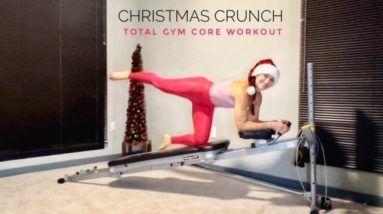
Get Your Holiday Sweat On with the Christmas Crunch Workout
It’s Christmas Crunch time!
This time of the year we all tend to be rushing, hustling, and in a frenzy to get things accomplished. During this holiday hustle, it’s the perfect time to ensure you make time for your muscles too. So, I have the perfect solution, with “The Christmas Crunch workout” on your Total Gym. It’s tailor-made for those navigating the seasonal rush!
Whether you’re pressed for time, savoring crunchy delights, or ready to conquer a quick workout, this routine is your go-to. Let’s make the most of the final Christmas crunch time with a workout that’s as enjoyable as it is effective!
The Christmas Crunch Workout: 5 Minutes of Festive Fitness Fun Dash on over to your Total Gym and couch your core with this seasonal core circuit. The workout is short, targeted, and easy to follow. Let’s get crunching!
• Set Up: low- med level based on current strength
• Accessory: AbCrunch + timer APP
• Directions: At your own controlled pace, perform the following exercises for 1 minute each. Cycle through the circuit until all exercises are complete. Repeat as many rounds as your time permits.
• Total Circuit time: 5 minutes/ round
1. Plank Tucks (Minute 1)
• Start standing with parallel feet at the bottom base facing the glide board.
• Keeping an elongated spine, squat down and place hands onto the sides of the glide board.
• Open the glide board and glide out into a plank, then ride it back into your low crouching squat position and simultaneously tap the forearms to the glide board.
• Repeat this gliding out and in motion in a smooth and controlled manner.
2. Knee Tucks (Minute 2)
• Open the glide board and assume a kneeing position along with the AbCrunch accessory by grabbing the handles and placing forearms on the pads.
• Keeping the shoulders onto of the elbows, tuck the knees in and out while keeping the core always activated.
• Move with control and utilize your breath.
3. Oblique Tucks (Minute 3) (30 secs per side)
• Maintaining the same position as #2 above, swivel the knees and feet to one side to change the working angle into your obliques.
• Perform the same tucking motion in and out slowly with control.
• Perform 30 seconds per side.
4. Knee Hovers (Minute 4) • Maintaining the same position on the AbCrunch as #2 and 3.
• Keep the knees bent toward the elbows and tuck the toes.
• Hover the knees an inch off the glide board while slowing moving it up and down the rails in a small range of motion. (The upper body maintains stillness while the lower body does the movement).
• Modify: just hover! Lift the knees for a moment off the glide board, then return the knees to the glide board and repeat.
5. Bent Knees / Straight Leg Lowers (Minute 5)
• Lie supine on the glide board with the head towards the vertical column.
• Grasp ahold of the sides or top of the glide board and bend knees to chest.
• Engage the core and begin to curl the lower spine off the glide board, hold for a few seconds, then roll the spine back to repeat.
• Advance: extend the legs and perform the same exercise.
Check out the video to learn how the Christmas Crunch exercises are performed on your Total Gym.
As you wrap up your Christmas Crunch workout, remember that the true gift lies in taking time for yourself amidst the holiday chaos. Embrace the joy of movement and let the energy you’ve cultivated carry you through the festivities.
Wishing you a Merry Christmas filled with health, happiness, and the warmth of the season.
Stay Merry, Stay Active, and spread the holiday cheer!
Maria
Let’s Connect!
IG | FB | YouTube: @groovysweat
www.mariasollonfitness.com
The post Christmas Crunch Workout appeared first on Total Gym Pulse.

The Amazing Slow Cardio Treadmill Routine I’m Totally Obsessed with at the Moment
My current workout mood: 30-1-30
30 incline
1 mph 
30 minutes 
View this post on Instagram
A post shared by Cassey Ho (@blogilates)
30-1-30 Treadmill Workout
This treadmill workout seriously gets my heart rate so high, and in comparison to running (which feels like torture to me) this slow cardio hiking situation feels more enjoyable for my body! I spent yearsssss trying to like HIIT, trying to like running, but honestly, it always felt like I had to try SO hard. I also never really felt like I got better at it.
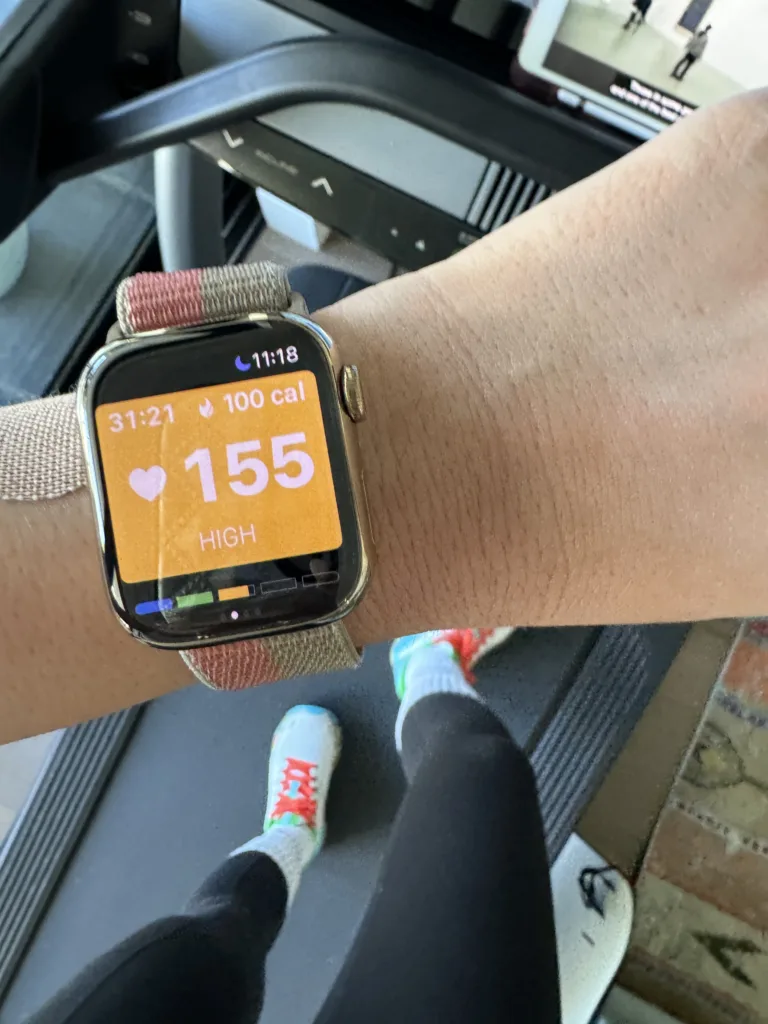
Ever since I’ve been testing out slow cardio like the 12-3-30, I’ve noticed my body is just simply liking it more. I’m better at it. It’s weird because my heart rate gets high (higher than when I’m running) and yet my muscles aren’t dying. Mentally and emotionally, I’m not dying either! To be completely honest, it’s the first cardio I think I’m actually good at and getting better at, which is so exciting!
It all kinda goes back to what your body is better suited for. I have the endurance to push through slow hard things (that’s why I’m good at Pilates) but I know I’m bad at fast sprints (that’s why I never really enjoyed HIIT). It’s just not meant for my body, so I gas out really fast.
Give this a try if fast cardio didn’t work for you either! I’m seeing changes in my body and my booty…and I love!
Oh and if your treadmill doesn’t go to 30, try a step mill!

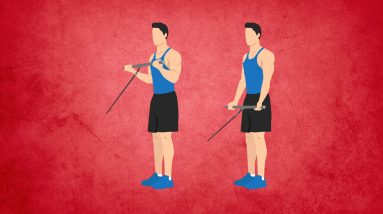
Get Sculpted Biceps with the Double Arm Cable Biceps Curl: Your Ultimate Exercise Guide for Defined Arms
Are you looking for an effective exercise that targets your biceps and helps you build strength? Look no further than the Double Arm Cable Biceps Curl! This exercise is designed to target your biceps and forearms, making it an excellent choice to add to your workout routine. Here at FitGAG, we’ve put together our expert guide to help you master the Double Arm Cable Biceps Curl and reach your fitness goals.
Exercise Information
The Double Arm Cable Biceps Curl is a resistance training exercise that targets the biceps muscles. This exercise involves using a cable machine to add resistance throughout the entire range of motion, increasing muscle activation in the targeted muscle group. Let’s dive into some general information about this exercise:
Level
The Double Arm Cable Biceps Curl is a beginner-level exercise that is suitable for individuals of all fitness levels.
Equipment
To perform the Double Arm Cable Biceps Curl, you will need a cable machine.
Type of Exercise
The Double Arm Cable Biceps Curl is an isolation exercise that targets the biceps muscles, involving a single-joint movement that mainly focuses on one specific muscle group.
Double Arm Cable Biceps Curl: Working Muscles
The Double Arm Cable Biceps Curl is an isolation exercise that primarily targets the muscles of the arms and shoulders. This exercise involves using a cable machine to add resistance to the traditional biceps curl motion. In this section, we will discuss the primary and secondary muscle groups that are involved during the Double Arm Cable Biceps Curl exercise.
Primary Muscle Group: Biceps
The primary muscle group targeted during the Double Arm Cable Biceps Curl exercise is the biceps muscle. This muscle is responsible for flexing the elbow joint and is the primary motion of the Double Arm Cable Biceps Curl exercise.
Secondary Muscle Group: Shoulders
In addition to the primary muscle group, the Double Arm Cable Biceps Curl exercise also engages the muscles of the shoulders. The rotator cuff muscles and middle deltoid muscles are engaged during the curl motion to stabilize the joint and maintain proper posture.
By engaging both the primary and secondary muscle groups, the Double Arm Cable Biceps Curl exercise provides a comprehensive upper body workout. This makes it an effective exercise for building arm and shoulder muscle strength and size, improving posture and stability, and developing functional fitness for activities in daily life.
Stay tuned for the next section, where we will discuss the benefits of the Double Arm Cable Biceps Curl exercise.
Benefits of Double Arm Cable Biceps Curl
Double Arm Cable Biceps Curl is an exercise that targets your biceps muscles and offers several benefits. Here are five benefits of incorporating this exercise into your fitness routine:
- Increased Strength: Double Arm Cable Biceps Curl helps increase overall biceps strength by targeting all of the muscles in the biceps.
- Improved Muscle Endurance: Double Arm Cable Biceps Curl engages more muscles in the biceps, which can help improve overall muscle endurance.
- Improved Upper Body Posture: Double Arm Cable Biceps Curl helps improve your upper body posture by strengthening your biceps muscles and improving your overall upper body alignment.
- Reduced Risk of Injury: Double Arm Cable Biceps Curl can help improve your overall joint stability and reduce the risk of injury and strain on your biceps muscles.
- Variation and Progression: Double Arm Cable Biceps Curl can add variation to your upper body workouts, which can help prevent boredom and stimulate new muscle growth. Additionally, the exercise can be made more challenging by increasing the weight or increasing the number of reps.
By incorporating Double Arm Cable Biceps Curl into your fitness routine, you can enjoy these benefits and more. However, it’s important to start slowly and progress gradually to avoid injury and ensure proper form. Additionally, it’s important to incorporate a variety of exercises into your fitness routine to ensure you’re targeting all muscle groups and avoiding boredom.
Double Arm Cable Biceps Curl: Step-by-Step Instructions
The double arm cable biceps curl is an exercise that targets your biceps muscles. Here are the step-by-step instructions for performing the double arm cable biceps curl:
Starting Position:
- Attach a double-handled cable attachment to a low cable pulley.
- Grab the handles with both hands, palms facing up.
- Stand with your feet shoulder-width apart and your arms extended straight down.
Now, let’s move on to the step-by-step instructions for the double arm cable biceps curl:
- Begin by bending your elbows and curling your hands up towards your shoulders.
- Make sure to keep your upper arms stationary throughout the movement.
- Pause briefly at the top of the movement, when your hands are near your shoulders.
- Slowly release the handles and bring your arms back to the starting position.
Repeat the movement for the desired number of repetitions.
Double Arm Cable Biceps Curl – Proper Form and Technique
The Double Arm Cable Biceps Curl is an effective exercise that targets the biceps muscles. This exercise is performed using a cable machine, and proper form and technique are important to avoid injury and achieve maximum results.
Starting Position
- Stand with your feet shoulder-width apart and the cable machine set to the desired weight.
- Grip the handles of the cable machine with both hands, with your arms extended straight down in front of you.
- Engage your core muscles and maintain a stable base.
Proper Form and Technique
- Curl Up: Curl the handles up towards your shoulders, keeping your elbows close to your sides.
- Keep Your Arms Straight: Keep your arms straight and your elbows slightly bent throughout the exercise, using your biceps muscles to control the movement.
- Return to the Starting Position: Return to the starting position by slowly lowering the handles back down in front of your body.
- Breathe Deeply: Breathe deeply and regularly throughout the exercise to maintain your energy and focus.
- Gradually Increase Intensity: Gradually increase the weight of the cable machine over time as your biceps muscles become stronger.
- Incorporate into Your Routine: The Double Arm Cable Biceps Curl can be a great addition to your upper body training routine, helping you to build strength and muscle effectively.
By following these tips, you can perform the Double Arm Cable Biceps Curl with proper form and technique, building and strengthening your biceps muscles effectively while minimizing the risk of injury. Remember to start slowly, focus on your breathing, and gradually increase the difficulty and intensity of the exercise over time.
Frequency and Progression: How to Get the Most Out of Your Double Arm Cable Biceps Curl Workouts
The Double Arm Cable Biceps Curl is a resistance cable exercise that primarily targets the biceps muscles. In this section, we will discuss how to properly incorporate the Double Arm Cable Biceps Curl into your workout routine and how to progress with this exercise over time.
Frequency
To see significant results with the Double Arm Cable Biceps Curl, it is recommended to perform this exercise 2-3 times a week. However, it is important to listen to your body and avoid overtraining. If you feel any pain or discomfort, stop the exercise immediately. You can also alternate between the Double Arm Cable Biceps Curl and other biceps exercises, such as barbell curls or hammer curls.
Progressive Overload
To progress with the Double Arm Cable Biceps Curl, it is important to gradually increase the difficulty of the exercise over time. Start with a lighter cable resistance and gradually increase the resistance as you become stronger. Another way to progress is to decrease the rest time between sets or increase the number of repetitions. Gradually increase the resistance and reps/sets and avoid adding too much too quickly.
Mix It Up
To prevent boredom and keep your Double Arm Cable Biceps Curl workouts fresh, it is important to mix up your exercise routine. You can perform the Double Arm Cable Biceps Curl with different types of cables or vary the number of reps and sets. You can also incorporate other biceps exercises, such as concentration curls or spider curls.
Proper Form
Proper form is essential when performing the Double Arm Cable Biceps Curl to avoid injury and get the most out of the exercise. Start by standing with both feet shoulder-width apart and the cable handles at chest height. Curl both arms towards your chest, keeping your upper arms still and your elbows close to your body. Squeeze your biceps at the top of the movement, then slowly lower the cable handles back to the starting position. Keep your core engaged and your back straight throughout the movement.
Track Your Progress
To ensure you are making progress and staying on track with your Double Arm Cable Biceps Curl workouts, it is important to track your progress. Keep a workout journal or use a fitness app to log the cable resistance, reps, and sets for each exercise. This will help you identify areas where you need to improve and keep you motivated to continue pushing yourself.
Incorporating the Double Arm Cable Biceps Curl into your biceps workout routine can be a great way to build strength and improve your arm muscles. By following these tips for frequency, progressive overload, and proper form, you can ensure that you are getting the most out of your Double Arm Cable Biceps Curl workouts and reaching your fitness goals.
Mistakes of Double Arm Cable Biceps Curl Exercise
The double arm cable biceps curl exercise is an effective way to target your biceps and improve upper body strength. However, like any exercise, there are common mistakes that can reduce its effectiveness and increase the risk of injury. Here are five mistakes to avoid during the double arm cable biceps curl exercise:
- Not using proper form: Using poor form during the double arm cable biceps curl exercise can reduce its effectiveness and increase the risk of injury. It’s essential to maintain proper alignment of the shoulders, elbows, and wrists throughout the exercise.
- Using too much resistance: Using too much resistance during the double arm cable biceps curl exercise can increase the risk of injury and reduce its effectiveness. Instead, focus on using a cable with appropriate resistance that allows you to maintain proper form.
- Not using a full range of motion: Neglecting to use a full range of motion during the double arm cable biceps curl exercise can reduce its effectiveness. Make sure to fully extend your arms before returning to the starting position.
- Not engaging the biceps muscles: Engaging the biceps muscles is essential to ensure that you are targeting the correct muscles during the double arm cable biceps curl exercise. Failure to engage these muscles can reduce the effectiveness of the exercise.
- Not using proper breathing: Using improper breathing technique during the double arm cable biceps curl exercise can reduce its effectiveness and increase the risk of injury. Make sure to exhale as you curl the cable and inhale as you return to the starting position.
By avoiding these common mistakes, you can ensure that you are getting the most out of your double arm cable biceps curl exercise while reducing the risk of injury. Remember to use proper form, use an appropriate resistance, use a full range of motion, engage the biceps muscles, and use proper breathing throughout the exercise. With consistent practice, you can improve your upper body strength and develop stronger biceps with the double arm cable biceps curl exercise.
Variations of Double Arm Cable Biceps Curl: Add Challenge to Your Upper Body Training
Double Arm Cable Biceps Curl is a great exercise to help target and strengthen your biceps muscles. However, doing the same exercise every day can become monotonous over time. Here are some variations to add challenge and variety to your training routine and challenge your upper body muscles in different ways:
Single-Arm Cable Biceps Curl
This variation involves performing the exercise with one arm at a time, which adds more challenge to your balance and stability and targets your biceps muscles from a different angle. Be sure to keep your core engaged and your knees slightly bent as you perform the exercise.
Cable Biceps Curl with Resistance Bands
This variation involves using heavier resistance bands to add extra resistance and challenge your biceps muscles. Be sure to use proper form and technique and avoid jerking or pulling the bands.
Cable Biceps Curl with Pause
This variation involves pausing for a few seconds at the end of each repetition, which challenges your biceps muscles and improves your overall muscular endurance. Be sure to keep your core engaged and your knees slightly bent throughout the exercise.
Cable Biceps Curl with Isometric Hold
This variation involves holding the fully contracted position of the exercise for a few seconds, which challenges your biceps muscles and improves your overall muscular endurance. Be sure to keep your core engaged and your knees slightly bent throughout the exercise.
Cable Biceps Curl with Overhead Press
This variation involves adding an overhead press to the exercise, which targets your biceps muscles and improves your overall upper body strength and stability.
Incorporating these variations into your Double Arm Cable Biceps Curl routine can help you add challenge and variety to your upper body training and achieve greater gains in overall upper body strength and athletic performance. As always, make sure to use proper form and technique to avoid injury.
Double Arm Cable Biceps Curl: 5 Alternatives to Build Your Biceps
The double arm cable biceps curl is a great exercise for building your biceps and improving your arm strength. However, if you’re looking to mix up your routine or add some variety, there are plenty of alternatives you can try. In this section, we’ll explore five exercises that target your biceps and can help you build strength and improve your arm strength.
Dumbbell Biceps Curls
Dumbbell biceps curls are a great exercise for targeting your biceps and improving your arm strength.
- Hold a dumbbell in each hand and stand with your arms by your sides.
- Curl the weights up towards your chest, keeping your elbows close to your body.
- Lower the weight back down and repeat for the desired number of repetitions.
Hammer Curls
Hammer curls are a great exercise for targeting your biceps and building strength.
- Hold a dumbbell in each hand and stand with your arms by your sides.
- Curl the weights up towards your shoulders, keeping your elbows close to your body.
- Lower the weight back down and repeat for the desired number of repetitions.
Incline Dumbbell Curls
Incline dumbbell curls are a great exercise for targeting your biceps and building strength.
- Sit on an incline bench and hold a dumbbell in each hand.
- Curl the weights up towards your chest, keeping your elbows close to your body.
- Lower the weight back down and repeat for the desired number of repetitions.
Barbell Concentration Curls
Barbell concentration curls are a great exercise for targeting your biceps and improving your arm strength.
- Sit on a bench and hold a barbell with both hands.
- Curl the weight up towards your chest, keeping your elbows close to your body.
- Lower the weight back down and repeat for the desired number of repetitions.
Chin-Ups
Chin-ups are a great exercise for targeting your biceps and improving your arm strength.
- Grab a chin-up bar with an overhand grip and hang from it with your arms fully extended.
- Pull your body up towards the bar, keeping your elbows close to your body.
- Lower your body back down and repeat for the desired number of repetitions.
Incorporating these alternatives to double arm cable biceps curls into your routine is a great way to strengthen your biceps and improve your arm strength. These exercises require little to no equipment and can be done at home or at the gym. Give them a try and see how they work for you!
Double Arm Cable Biceps Curl: Tips and Tricks for Building Bigger Biceps
The Double Arm Cable Biceps Curl is a great exercise for targeting your biceps muscles. In this section, we’ll share some tips and tricks to help you perform the Double Arm Cable Biceps Curl correctly and get the most out of it.
- Warm-Up: Before performing the Double Arm Cable Biceps Curl, it’s important to warm up your entire upper body. You can do this by performing some light cardio or dynamic stretching, such as arm circles.
- Use the Right Equipment: To perform the Double Arm Cable Biceps Curl, you need a cable machine. Make sure you choose the right resistance level for your needs and follow the manufacturer’s instructions for use.
- Proper Form: Maintaining proper form is crucial when performing the Double Arm Cable Biceps Curl. Begin by gripping the cable handles with both hands and standing with your feet shoulder-width apart. Keeping your arms straight, curl the cable handles up towards your chest, then slowly return to the starting position.
- Engage Your Biceps: To perform the Double Arm Cable Biceps Curl correctly, you need to engage your biceps muscles. Focus on squeezing your biceps as you curl the cable handles up.
- Use the Right Repetition Range: Aim to perform 2-3 sets of 8-12 reps with the Double Arm Cable Biceps Curl.
- Mix it Up: Mixing up your Double Arm Cable Biceps Curl routine can help keep your workout fresh and challenging. You can try different variations, such as changing the resistance level or using a different hand position.
- Stretch Afterwards: After performing the Double Arm Cable Biceps Curl, it’s important to stretch your entire upper body, especially your biceps.
- Listen to Your Body: As with any exercise, it’s important to listen to your body and avoid pushing beyond your limits. If you feel any discomfort or pain, stop the exercise immediately.
Incorporating these tips and tricks into your Double Arm Cable Biceps Curl routine can help you get the most out of this exercise and achieve bigger biceps. Remember to always maintain proper form, engage your biceps muscles, and listen to your body. With time and practice, you’ll be able to perform the Double Arm Cable Biceps Curl like a pro and enjoy the benefits of bigger and more toned biceps.
Incorporating Double Arm Cable Biceps Curl into Your Workout Routine for Maximum Effect
Double arm cable biceps curl is a great exercise for strengthening your biceps and building upper body strength. Here are some tips to help you incorporate this exercise into your workout routine for maximum effect:
- Warm-up properly: Before doing double arm cable biceps curl, it’s important to warm up your upper body with exercises like arm circles, push-ups, and shoulder rotations.
- Use proper form: To perform double arm cable biceps curl, stand with your feet shoulder-width apart and hold a cable handle in each hand. Keeping your elbows close to your sides, curl the handles up towards your shoulders. Return to the starting position and repeat.
- Mix up your routine: Don’t just perform double arm cable biceps curl in isolation. Mix it up by incorporating other exercises that target your biceps, such as hammer curls and incline biceps curls.
- Use progressive overload: To continue to see progress, you’ll need to use progressive overload, which means gradually increasing the resistance or repetitions over time.
- Don’t overdo it: It’s important to give your muscles time to recover, so don’t overdo it with double arm cable biceps curl. Aim to perform the exercise for 2-3 sets, 1-2 times per week.
- Focus on your breathing: It’s important to regulate your breathing throughout the exercise to ensure that you’re getting enough oxygen to your muscles. Inhale as you curl the handles up and exhale as you return to the starting position.
- Engage your core: To get the most out of double arm cable biceps curl, make sure to engage your core muscles, including your abs and lower back. This will help you maintain proper form and prevent injury.
- Rest between sets: Allow your muscles time to recover between sets. Rest for 60-90 seconds between sets to ensure that you’re performing each rep with proper form.
- Incorporate double arm cable biceps curl into your workout routine: In addition to incorporating double arm cable biceps curl into your workout routine, consider doing them as part of a superset or a circuit to challenge your muscles even more.
By incorporating these tips into your workout routine, you’ll be well on your way to maximizing the benefits of double arm cable biceps curl and achieving stronger biceps and upper body strength.
Ultimate Workout Plan for Double Arm Cable Biceps Curl
Double Arm Cable Biceps Curl is a great exercise for strengthening your biceps and developing your arm muscles. Here’s a one-week workout plan to help you incorporate Double Arm Cable Biceps Curl into your routine:
Day 1: Warm-up
- Warm-up: 5-10 minutes of cardio
- Double Arm Cable Biceps Curl: 3 sets x 12-15 reps
- Dumbbell Chest Flyes: 3 sets x 10 reps
- Seated Rows: 3 sets x 10 reps
- Tricep Pushdowns: 3 sets x 12 reps
- Cool-down: 5-10 minutes of stretching
Day 2: Rest Day
Day 3: Upper Body
- Warm-up: 5-10 minutes of cardio
- Double Arm Cable Biceps Curl: 3 sets x 12-15 reps
- Lat Pulldowns: 3 sets x 10 reps
- Shoulder Press: 3 sets x 10 reps
- Hammer Curls: 3 sets x 12 reps
- Cool-down: 5-10 minutes of stretching
Day 4: Rest Day
Day 5: Full Body
- Warm-up: 5-10 minutes of cardio
- Double Arm Cable Biceps Curl: 3 sets x 12-15 reps
- Deadlifts: 3 sets x 12..
A Complete Day, From Dawn till Dusk: Unveiling the Secrets of Optimal Health and Fitness
This post is sponsored by my friends at NOW Foods. It’s one of my favorite places to shop for pantry essentials, supplements, pet care, and natural beauty. You can use my code FITNESSISTA for 20% sitewide here.
Hi friends! I hope you’re enjoying the morning so far! I’m popping in with an old-school style Day in the Life type post. There were quite a few requests for more posts like this in the annual survey (thank you for your help with this!), so here we go!
Morning
6:45am. My alarm goes off. If I have to take the kids to school, I have to wake up 15 minutes earlier to get dressed, but since the Pilot is doing drop-off, I get an extra 15 minutes. Bless it. I hadn’t worn my Oura ring for a while, so I had to reset it to factory settings, and I was excited to see my sleep and readiness score for the day.

I wake up the kids, head downstairs, and pack up lunches, backpacks, snacks, and sweaters. I make them oatmeal with peanut butter and berries for the road, they head off to school, and I get ready for a workout. While I’m getting dressed, I chug a giant green juice, eat a banana, and half a bar.
I also drink some ginger tea:

8:15 A challenging and fun pure barre Define class. This is a newer class option and it’s all strength-based. I love the mix of barre and traditional strength training moves.
9:30 back home and having the rest of my breakfast: two scrambled eggs and a smoothie with avocado, pumpkin seeds, frozen zucchini, cocoa powder, dates, protein powder, and almond milk.

I have my morning supplements (loving this Omega-3, NAC, quercetin + zinc, and elderberry for this time of year), and eat at my computer while answering emails and publish a reel to IG.


10:30 Kristi is here to shoot blog content photos, which explains why some of the photos in this post are professional/gorgeous and others are quick real-life on the fly ? We shoot about once a month and it makes a huge difference to have blog photos ready to go for upcoming posts.

11:30 We finish photos for 5 blog posts (!), and I take Maisey for a walk around the neighborhood.
Afternoon
12:00 Lunch! A salad with tuna, chopped veggies (bell pepper, radish, beets, cucumber), different types of lettuce, quinoa (pre-cooked during meal prep and waiting in the fridge) and a tahini vinaigrette. I’ve been trying to take a *real* lunch break lately (instead of only eating at the computer), so I’ll eat outside, listen to a podcast or watch an episode of Friends. I sit at the dining room table and listen to an audiobook while I eat for 15 minutes.

12:15-2:30 Work blitz. I write two blog posts and edit an upcoming podcast episode, while sipping on green tea and I snack on some chocolate. I start the podcast episode for post-production uploading (to remove any excess sounds and stabilize the volume) and take a pause on work stuff while it’s back to mom mode. Before I leave for pickup, I do 7 minutes on the PEMF mat with a short meditation.
3:00 The kids are out of school. We head home, start homework, I make them a snack plate, and get Liv ready for dance.
Evening
5:15 After dropping Liv at dance, P and I finish her homework while I prep dinner: chopped chicken salad. This is one of my favorite ones to make it advance so it’s ready to go for the evening! I use rotisserie chicken, steamed edamame, rice noodles, and I’ll add coleslaw mix, chopped green onions, bell peppers, cilantro, peanuts, and make a peanut dressing with Tamari, peanut butter, rice vinegar, honey, sriracha, ginger, garlic, sesame oil, and olive oil. I cover the salad and put it in the fridge, and keep the dressing separate in a jar until it’s ready to use.
6:15 P and I take a short bike ride/walk around the neighborhood and the Pilot comes to home to high-five me and take over. I pack up some salad to take with me in the car. It’s not ideal, but it’s better than waiting until 8:30 to eat.. and thankfully it’s only one night each week.

7pm Choir practice! I look forward to this all week. We’re currently doing Verdi’s Requiem (it’s a LOT, but breathtakingly amazing) and it sets my soul free.

8:30pm I’m back at home. The Pilot has cleaned up the kitchen after dinner, and I make the kids’ lunches and snacks, set out their clothes for the next day, and do a quick cleaning blitz before bed (laundry and wipe down counters). While I’m doing this, P is getting ready for bed, and the Pilot and Liv are doing homework together.
9pm I read a book with P and hang out with her until she falls asleep, while the Pilot finishes homework with Liv downstairs.
After P is asleep, I finish cleaning up for the day, upload my podcast episode and schedule my blog post, and get ready for bed while Liv gets ready for bed.
10:15 I read for a little while, do my evening eye mask, and take magnesium before crashing out!
10:40 Lights out and ready to do it all over again ?
What I liked about this particular day:
I loved all of the different colored veggies I had this particular day! I feel like it was produce-heavy, and I felt energized and satisfied all day. I also loved that I was able to get in a couple of short walks in between work to shake out my legs and get fresh air. Also, it included chocolate and choir, which are two things that make me happy. I hit my protein goal with the protein powder, tuna, chicken, and edamame. Even though it was a busy day and I could have stayed up later reading or unwinding, I’m glad I stuck to my bedtime routine so I’d be rested for the next day.
What I would do differently:
I would say I’d make it less of a scramble, but that’s just where we are right now. I just try to look for moments of peace and stillness where I can take it, and even though the nightly eye mask is a pain, it forces me to take at least 10 minutes to stop and breathe. ?
So, tell me, friends: what’s something that you make time to do each day? Any strategies that help you during this busy season?
xo
Gina
Thank you so much to NOW Foods for sponsoring this post. I’m so thrilled to continue to partner with them, and have been a huge fan of their products for years. You can check out their product line here and use FITNESSISTA for 20% off sitewide. We use and love their supplements, pet care, skincare/beauty, pantry staples, and essential oils.
The post A full day, from start to finish appeared first on The Fitnessista.

Discover the Ultimate Selection of 11 Wholesome Foods to Fuel Your Road Trips
Traveling by road can be exciting, fun, and easy. Whether you are in a car, a bus, or a van, you can get the full amazing experience that comes with traveling by road. When planning for a road trip, there are many important things to put in place. For example, if you own a car, you need to make sure your car is in proper condition. You also need to pack essential luggage, documents, and maps. However, planning what you will eat on the road is very crucial. If you’re on a diet or want to eat healthily, you need to ensure that you plan your road trip food and snacks.
Consuming the right meals while traveling by road is important.
Listed below are various healthy foods for road trips:
11 Healthy Foods For Road Trips

These are some of the most nutrient-dense foods and snacks that you can take on a road trip.
1. Fresh fruit and nut butter
Fresh fruits and nuts are naturally nutritious and portable. They aid in bowel movement and prevent constipation. Apples, strawberries, bananas, and almonds, are examples.
Fresh fruits and nut butter are high in protein and can be used to replace unhealthy snacks when traveling.
2. Unsweetened yogurt
Flavored yogurt has a lot of sugar, which is bad for the human body. Unsweetened yogurt, on the other hand, is good for you since it contains protein. It must, however, be kept cool to avoid spoilage.
3. Roasted chickpeas
Chickpeas are high in protein, fiber, magnesium, and zinc, making them extremely nutritious. Chickpeas might be difficult to package for a road trip, but they can be ordered online to reduce the pressure.
4. Avocados
Avocados are rich in fiber, fat, potassium, vitamin C, E, and folate, all of which are beneficial to health. While traveling, they can be salted and eaten with a spoon or mashed and served with bread or crackers.
5. Cheese and crackers
Cheese and crackers are a classic ready-to-eat snack that can help you fill up on the go. It’s a convenient snack for any traveler. It tastes well with fresh fruits and juice.
6. Dark chocolate and almonds
When you’re on the road and you’re seeking something sweet, stay away from baked foods and sugary beverages. Dark chocolate and almonds are a better choices. Both are potent polyphenol antioxidants that help to protect the heart.
7. Popcorn
Popcorn is a good source of fiber, which might help you stay energized while traveling. However, instead of microwave popcorn, go for fresh popcorn cooked with natural ingredients like corn, salt, and oil.
8. Hard-boiled eggs
This pair of eggs are high in protein, which your body requires for road journeys. Although hard eggs are difficult to prepare, they are simple to store and eat when traveling.
9. Carrots and Grapes
These fruits are high in nutritional value for a healthy body and make a great road trip snack. This is because chewing them minimizes boredom and the risk of eating unhealthy snacks while traveling.
10. Walnuts
Another amazing nut for road trips is walnuts. It contains the most plant-based omega 3 fatty acids required by the body. When you’re on the road, walnuts can help you feel satisfied and less hungry.
11. Coconut chips
This is yet another excellent option for road trips. When properly baked, coconut chips are sweet and crispy. Coconut chips are available in a range of tastes, so you can choose your favorite.
Bottom Line
While on the road, eating healthy meals is a great way to maintain a smooth and stress-free trip. Packing these healthy foods for road trips will ensure you consume nutritiously while on the road.
The post 11 Healthy Foods for Road Trips first appeared on You Must Get Healthy.
The post 11 Healthy Foods for Road Trips appeared first on You Must Get Healthy.