

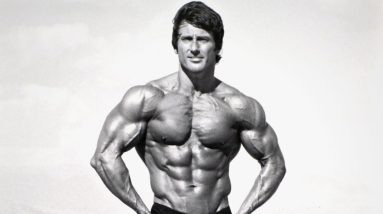
10 Fitness Icons Who Achieved Remarkable Abs in the History of Bodybuilding
All physique athletes need a solid set of abs — it’s a virtual prerequisite before stepping on stage. But a select group of bodybuilders went beyond the standard six-pack and crafted midsections that singlehandedly won them shows and helped vault them to icon status.
If you need some inspiration to do extra crunches or cardio when you hit the gym next, look no further than this list of 10 bodybuilders with the best abs in the sport’s history.
10 Bodybuilders With Some of the Most Chiseled Abs in the Sport’s History
- Natalia Abraham Coelho
- Sarah Villegas
- Shawn Ray
- Chris Bumstead
- Frank Zane
- Ryan Terry
- Shawn Rhoden
- Lou Ferrigno
- Dexter Jackson
- Andrea Shaw
Natalia Abraham Coelho
Natalia Abraham Coelho is one of the most popular athletes in Women’s Physique. She scored the Olympia crown in her division in 2022 and followed that up with two wins mere months later at the Pittsburgh Pro and New York Pro.
View this post on Instagram
A post shared by Mitchell Gilbert (@gilcoproductions)
[Related: The Best Ab Workouts for Strength, Beginners, Muscle Mass, and More]
And while Coelho’s muscular upper body can certainly turn heads, her real highlight is a deep, flawless set of abs that ties together any front pose she hits. Not only is it her calling come showtime, but she never lets herself get too far from that condition in the off-season, which helps her in guest posing events or when she’s taking photos during training.
Sarah Villegas
Before Coelho’s Olympia win in 2022, Sarah Villegas laid claim to the Women’s Physique crown in 2020 and 2021. She was known for her unrivaled conditioning and supremely detailed back development, but her core ranks among her greatest assets.
View this post on Instagram
A post shared by Sarah Villegas (@iamsarahfit)
[Related: 10 Athletes With the Best Chests in Men’s Bodybuilding]
Villegas’ waist is so narrow, her abs so tight, that they actually accentuate her already top-flight shoulders, making them look even wider. She’ll go into a rematch with Coelho at the 2023 Olympia in November, hoping to surpass her rival on the biggest stage of them all. Ultimately, the battle might come down to who has the best abs.
Shawn Ray
Standing 5’6″ and hovering around 210 pounds, Shawn Ray knew he would never be the biggest competitor on stage, especially when standing next to the likes of Lee Haney, Dorian Yates, and Ronnie Coleman. So rather than allow his smaller stature to be a detriment, he instead focused on making the best out of what size he did have, including being the most ripped athlete in the lineup.
View this post on Instagram
A post shared by Shawn Ray (@shawnrayifbbpro)
[Related: Who Is the Strongest Mr. Olympia Winner?]
Ray was the epitome of conditioning in his prime, with visible striations and a six-pack that looked like stacks of bricks. This level of definition helped Ray win the big prize at the 1991 Arnold Classic and place second to Dorian Yates at the Mr. Olympia contest in 1994 and 1996.
Chris Bumstead
One of the reasons why Chris Bumstead has scored four Classic Physique Olympia titles (so far) is that he keeps finding ways to get better year after year. It started with a renewed effort to build up his arms in 2019, and that was followed by a shift in focus to his abdominals around 2020.
https://www.youtube.com/watch?v=Y9yF7Ih49K8Video can’t be loaded because JavaScript is disabled: HOW TO HIT A VACUUM | Posing Tips and Tricks, Everything You Need To Know (https://www.youtube.com/watch?v=Y9yF7Ih49K8)
A combination of smart dieting and consistent core training has helped CBum keep the centerpiece of his physique looking on point every Olympia. He may be one of the biggest men in his division, but he can also hit a vacuum pose worthy of the Golden Era. It shouldn’t come as much of a surprise, then, that he’s still considered the perfect model of Classic Physique.
Frank Zane
Frank Zane’s vacuum pose is one of the most enduring images from bodybuilding in the 1970s. The complete mastery of his midsection helped elevate “The Chemist” from being just another aesthetic athlete to becoming an all-time great. His look was so timeless, in fact, that it eventually went on to help inspire the creation of the Classic Physique division back in 2016.
View this post on Instagram
A post shared by Frank Zane (@therealfrankzane)
[Related: The Best Non-Stim Fat Burners]
The sheer definition of Zane’s abs, along with his supreme posing, is why he was able to defeat Arnold Schwarzenegger at the 1968 IFBB Mr. Universe contest and win three Mr. Olympia titles from 1977-1979 against much larger competitors. To this day, you can argue that no athlete perfected a single body part like Zane did with his abs.
Ryan Terry
Ryan Terry is among the most decorated athletes in the Men’s Physique division, having won both the 2016 Arnold Classic and 2023 New York Pro titles. And, sure, the athletes in the division don’t have to hit as many individual poses or be as big as their Men’s Open counterparts — but that just means their abs need to be even more sublime if they want a chance to win. They can’t hide a lackluster core behind 275 pounds of muscle, after all.
View this post on Instagram
A post shared by Ryan Terry
(@ryanjterry)
[Related: The 25 Best Back Exercises for Strength and Muscle Gain]
In Terry’s case, he has arguably the best midsection in the entire class. His minuscule waist and chiseled six-pack don’t just look great on their own — they also make the rest of his body look better in the process. These features will be invaluable to him as he looks to score his first-ever Olympia title in 2023.
Shawn Rhoden
The late Shawn Rhoden won his first and only Mr. Olympia back in 2018 by famously unseating seven-time champ Phil Heath in Las Vegas. The big topic of conversation heading into that show was Heath’s abs, which had been lacking in previous years and were affected by an injury that impacted his 2018 off-season training.
View this post on Instagram
A post shared by Shawn Rhoden (@flexatronrhoden)
[Related: 12 of the Most Underrated Bodybuilders of All Time]
While any injury is bad luck, Heath’s chances dimmed even more when Rhoden walked on stage sporting a flawless set of abs that harkened back to the Golden Era. You can argue that Rhoden’s core was the biggest factor in Heath losing his crown that night.
Lou Ferrigno
Lou Ferrigno‘s physique was admired far beyond bodybuilding thanks to his iconic role in The Incredible Hulk. The two-time Mr. Universe winner competed at 6’5″ and weighed in a range of 275-305 pounds at his peak. And while you can find smaller waists and more chiseled six-packs throughout the history of bodybuilding, you’d be hard-pressed to find better abs on anyone Ferrigno’s size.
View this post on Instagram
A post shared by Lou Ferrigno (@theofficiallouferrigno)
[Related: Lou Ferrigno’s Hulking Comeback at the 1992 Mr. Olympia]
Anytime Ferrigno hit an ab pose on stage, he was an instant contender to pull off a victory. That commitment to staying ripped has stayed with him far beyond his years as a competitor — even in his 70s, he isn’t afraid to pull up his shirt to reveal a six-pack.
Dexter Jackson
As the 2008 Mr. Olympia winner and five-time Arnold Classic champion, Dexter Jackson always delivered on conditioning when he stepped on stage. Like Zane, Jackson is famous for his abs and thigh pose that showcases the serratus, obliques, and even the rare eight-pack.
View this post on Instagram
A post shared by Dexter “The Blade” Jackson (@mrolympia08)
[Related: 9 of the Most Controversial Moments in Olympia History]
Those abs helped Jackson win 29 shows, making him the only man to win the Mr. Olympia, Masters Olympia, and Arnold Classic in his career. With a nickname like “The Blade,” you had to know his razor-sharp abs would make this list.
Andrea Shaw
Andrea Shaw is a three-time Ms. Olympia and three-time Rising Phoenix World Champion. She may have great arms and legs, but her ab shots may be the best. When she goes into an abs and thigh pose, no one has come close to matching her midsection development or her conditioning.
View this post on Instagram
A post shared by Andrea Shaw (@mzprettymuscle)
[Related: Why Iris Kyle Is Undoubtedly in the Bodybuilding G.O.A.T Conversation]
Shaw is going into the 2023 contest season with hopes of winning both of her titles for a fourth straight year, and her abs are one of the reasons why she can pull it off.
Featured Image: @therealfrankzane on Instagram
The post 10 Bodybuilders With Some of the Most Chiseled Abs in the Sport’s History appeared first on BarBend.

Get Ripped like Jay Cutler: 8 Arm Exercises to Crush Your Fitness Goals
Four-time Mr. Olympia Jay Cutler is one of the most popular bodybuilders of all time — known for his full chest, giant arms, and striated quads. Cutler started a “Fit for 50” challenge in early 2022 with the goal of achieving his best shape since stepping away from competitive bodybuilding in 2013.
Cutler’s 50th birthday is on Aug. 3, 2023. On June 9, 2023, the former Olympia champ took to his YouTube channel to share his most recent arm workout without seven weeks left to fulfill the goal of the “Fit for 50” challenge. Check it out below:
[Related: The Innovations of Derek Lunsford’s Back Progression During His Off-Season]
Jay Cutler “Fit for 50” Arm Workout
Cutler’s high-volume arm workout consisted of eight exercises:
- Cable Triceps Pushdown (bar attachment) — 2-3 warm-up sets & 3-4 working sets
- Iso-Lateral Triceps Extension Machine — 3 x AMRAP (as many reps as possible)
- Seated Overhead Dumbbell Extension — 3 x 12
- Cable Triceps Pushdown (rope attachment) — 3 x 12
- Iso-Lateral Biceps Curl — 3 x 12
- Standing Dumbbell Curl — 3 x 12
- Machine Preacher Curl — 3 sets
- EZ Bar Curl — 4 sets
[Related: Flex Lewis Breaks Down How He Trained During His Olympia Reign]
Triceps Pushdown & Iso-Lateral Triceps Extensions
Cutler begins his arm training with cable triceps pushdowns with an angled bar attachment. He performs “two or three warm-up sets” followed by “three or four working sets.”
Cutler’s top set had the weight pin at 120 pounds on the cable machine‘s weight stack. Unlike most bodybuilders who prefer to keep their body weight out of biasing the load, Cutler performs pushdowns while leaning on the bar.
I don’t care what anyone says; it works for me.
Moving to the iso-lateral triceps extension machine, Cutler placed his triceps on the raised upper-arm pads to remove the necessity to stabilize the weight. This not only maintains tension on the triceps but also removes the potential use of momentum. Cutler performed three sets to failure.
Seated Overhead Dumbbell Extension & Cable Rope Pushdown
Cutler performed 12 reps for each set. He maxed out with an 80-pound dumbbell on his third set. He avoids locking out his elbows at the top of the movement so the tension remains constant on the triceps throughout the full range of motion.
The cable rope pushdown was the last exercise of Cutler’s triceps routine. He performed three sets, maxing out with put pounds on the cable. Cutler used a bent-over stance, helping him maximize his elbow extension during the concentrics.
Iso-Lateral Biceps Curl & Dumbbell Curl
Cutler opens his biceps routine with the iso-lateral curl machine. Stabilizing his triceps on the elevated pads on the machine helps Cutler’s mind-muscle connection, ensuring the load is moved solely by contracting the biceps. Cutler did three sets of 12 reps.
View this post on Instagram
A post shared by Jay Cutler (@jaycutler)
After achieving a biceps pump in the previous exercise, Cutler repped out alternating dumbbell curls. The Olympia champ performed three sets of his favorite arm movement with 45-pound dumbbells on his last set.
Machine Preacher Curl & EZ Bar Curl
Cutler prefers training on machines to help maintain constant tension on the target muscles. The preacher curl is similar to the other machines utilized in the workout in that the pads stabilize the arm to place all the tension on the biceps. He performed three sets.
Cutler finished his arm workout with cambered bar curls. He did four sets with a 70-pound fixed barbell. Cutler used Fat Gripz for the last two sets for greater forearm stimulation.
The Fit For 50 Challenge
Cutler’s target body weight is 250 pounds in the next eight weeks, though he didn’t reveal his current weight at the time of the video’s recording. He currently eats six meals daily to maintain an elevated metabolic rate.
I’m going for the best shape I’ve been in 10 years. I’m going to be full, hard, and round…not super shredded.
Although Cutler won’t compete at the 2023 Masters Olympia, scheduled for Aug. 26-27 in Romania, he hasn’t ruled out the possibility of guest posing at a future show. His fans might see him grace the stage again after he completes the “Fit for 50” challenge.
Featured image: @jaycutler on Instagram
The post Jay Cutler’s Eight Arm Exercises For His “Fit for 50” Challenge appeared first on BarBend.


Ally Love, Peloton Trainer, Shares How Color Can Boost Your Workout Intensity – Check Out Her Top Picks from the Brand’s Latest Collection
When you tune in to one of Ally Love’s Peloton classes, there’s a secret clue you can look for that will tell you just what kind of ride you’re in for that day: the color of Love’s Peloton outfits.
“I allow my look to influence and speak to the vibe, the feeling, the dynamic, the intensity of the class I’m leading,” Love says. “If I’m coming out in pink, you know we’re having a good time. If I’m coming out in reds or something dark, then we’re likely going right into climbing hills.”
Can it really be that one-to-one? Love feels strongly that the way she dresses both impacts and mirrors her mood. So much so that in high school, if she got dressed in a hurry and ended up in a “blah” outfit, she’d sometimes end up feeling down—so her friends would switch some clothing around with her to brighten her day. “From a young age, what I [wore] impacted my mood and my perception of my experience,” Love says.
That impulse carries over today. “I do try to align my outfit with the way I want people to feel within the class experience,” Love says. “I’m pretty strategic about what I pick out to wear especially for my Peloton classes. I try to pick colors that literally correspond with the perceived exertion. Everything about me is aligned with the amount of intensity (or this lack of intensity), so it’s important to me.”
For someone whose mood is so affected by and reflected in her clothing, Love puts a lot of care into choosing the garments she puts on her body, including her Peloton outfits. Which is why, when it comes to her outfit recommendations, you know she’s not choosing lightly. From the bike to the street to the office, here are some of Love’s favorite (colorful) pieces from Peloton’s Spring collection. Keep an eye out from them the next time you join one of her rides—it might be clue for how fast and furious you’ll be peddling.
Peloton outfits fit for the queen of color

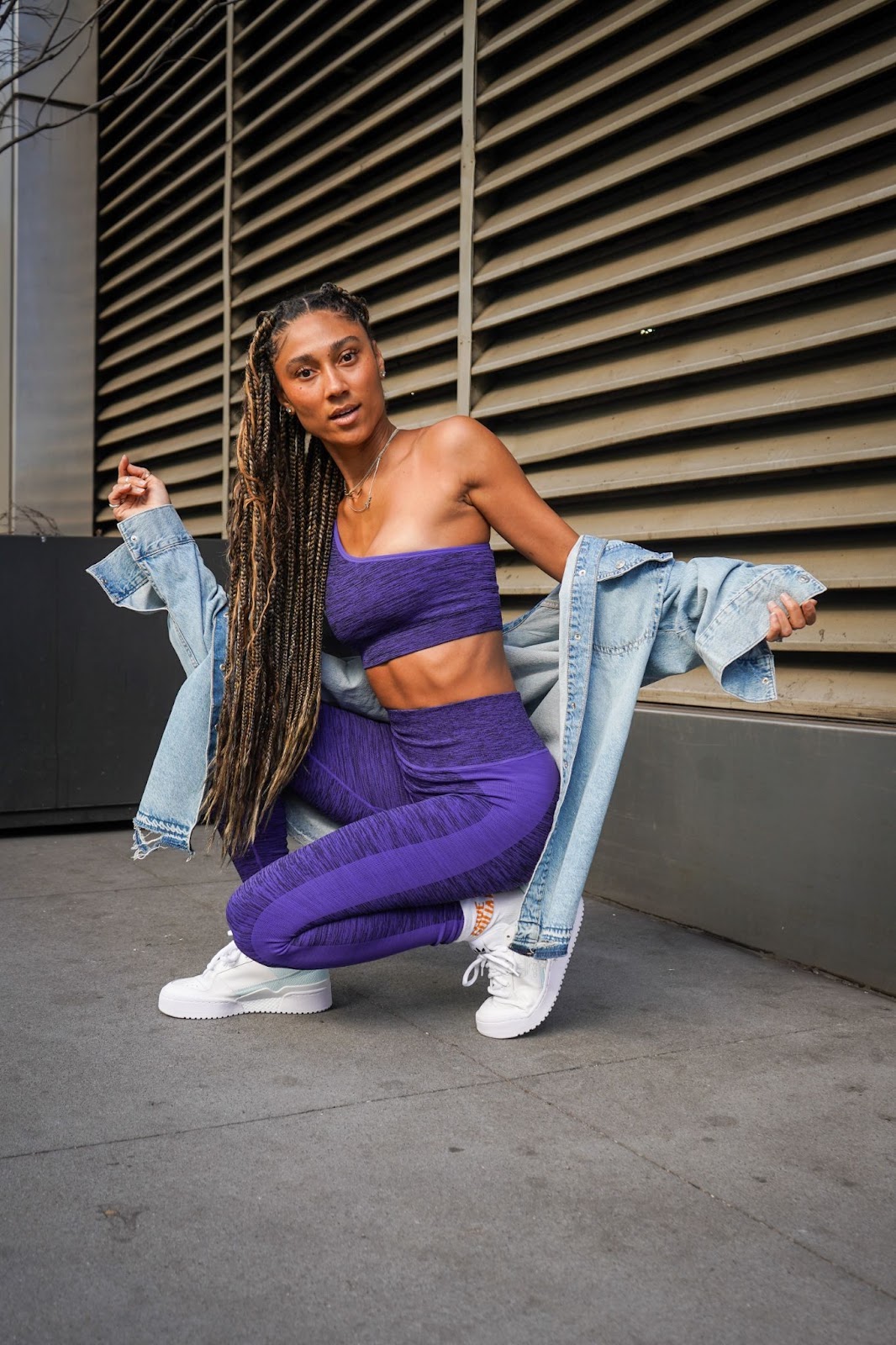

Performance Rib Racerback Tank — $48.00
Available sizes: XS-XL
Love says you can pair this cool, minty green tank top with more than leggings, like trousers and a blazer, jeans, skirts, and more, making it a multi-purpose garment worth a spot in your wardrobe. When you do wear it to ride, however, the performance fabric will go the distance to keep you comfortable. The soft, stretchy fabric moves with you, so you won’t have to worry about chafing, digging in, or holding you back.
Shop Now
One Shoulder Seamless Crop Bra — $46.00
Love likes to wear matching workout outfits that she elevates with a sweatshirt or an oversized button down. Take this one-shoulder sports bra, for example. The seamless, longline cut looks stylish and trendy underneath jackets, sweaters, and other layers. While it’s probably not supportive enough for high-intensity sweat sessions, it’s perfect for low-impact workouts like yoga, stretching, and walking.
Shop Now
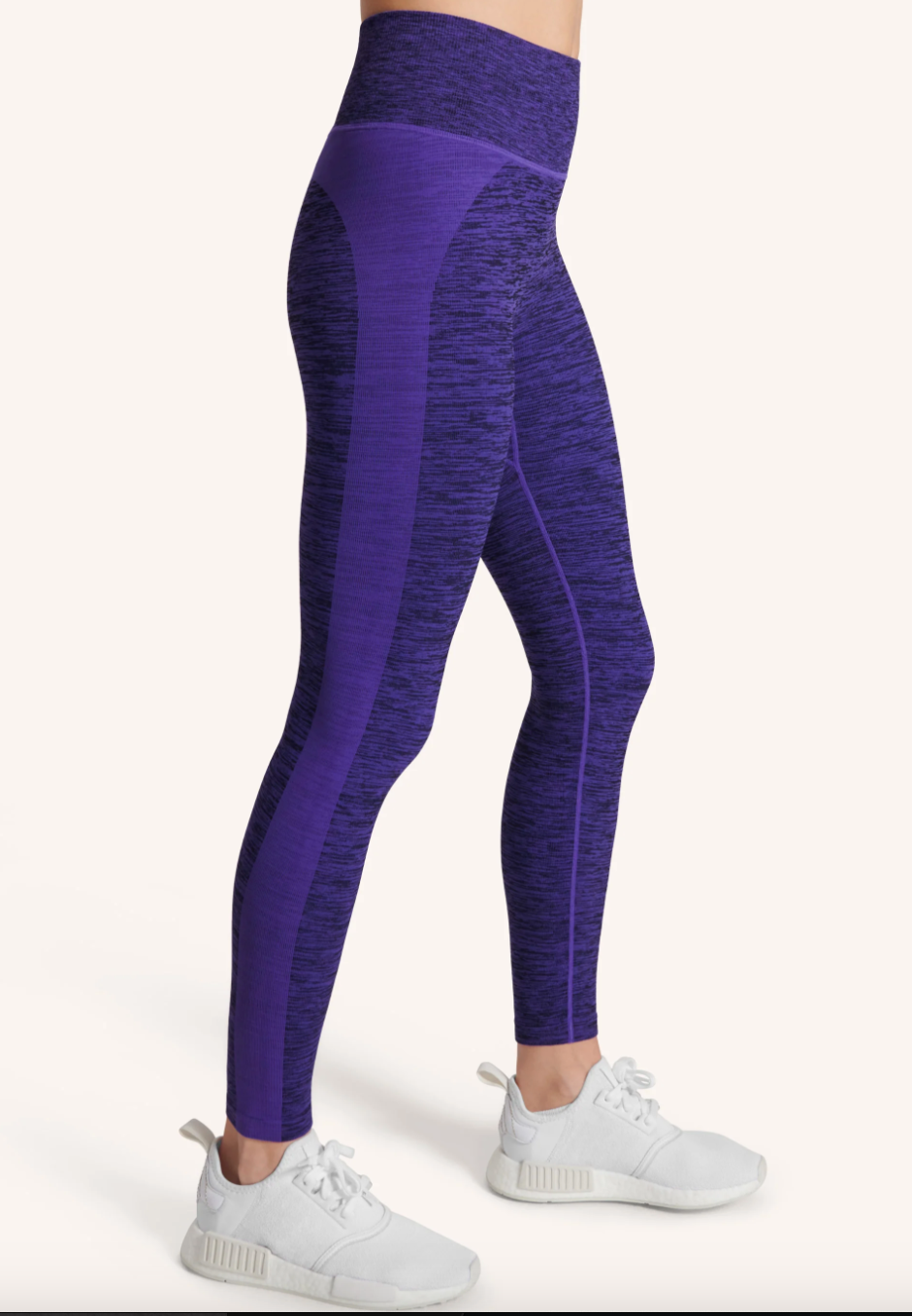
High Rise Seamless ⅞ Legging — $76.00
If you want to get matchy matchy with your workout wardrobe, pair the above sports bra with these matching purple leggings. The solid stripe down the leg shows the world you mean business, while the buttery smooth, flexible fabric keeps you comfy, whether you’re stretched out in yoga class or on your couch.
Shop Now
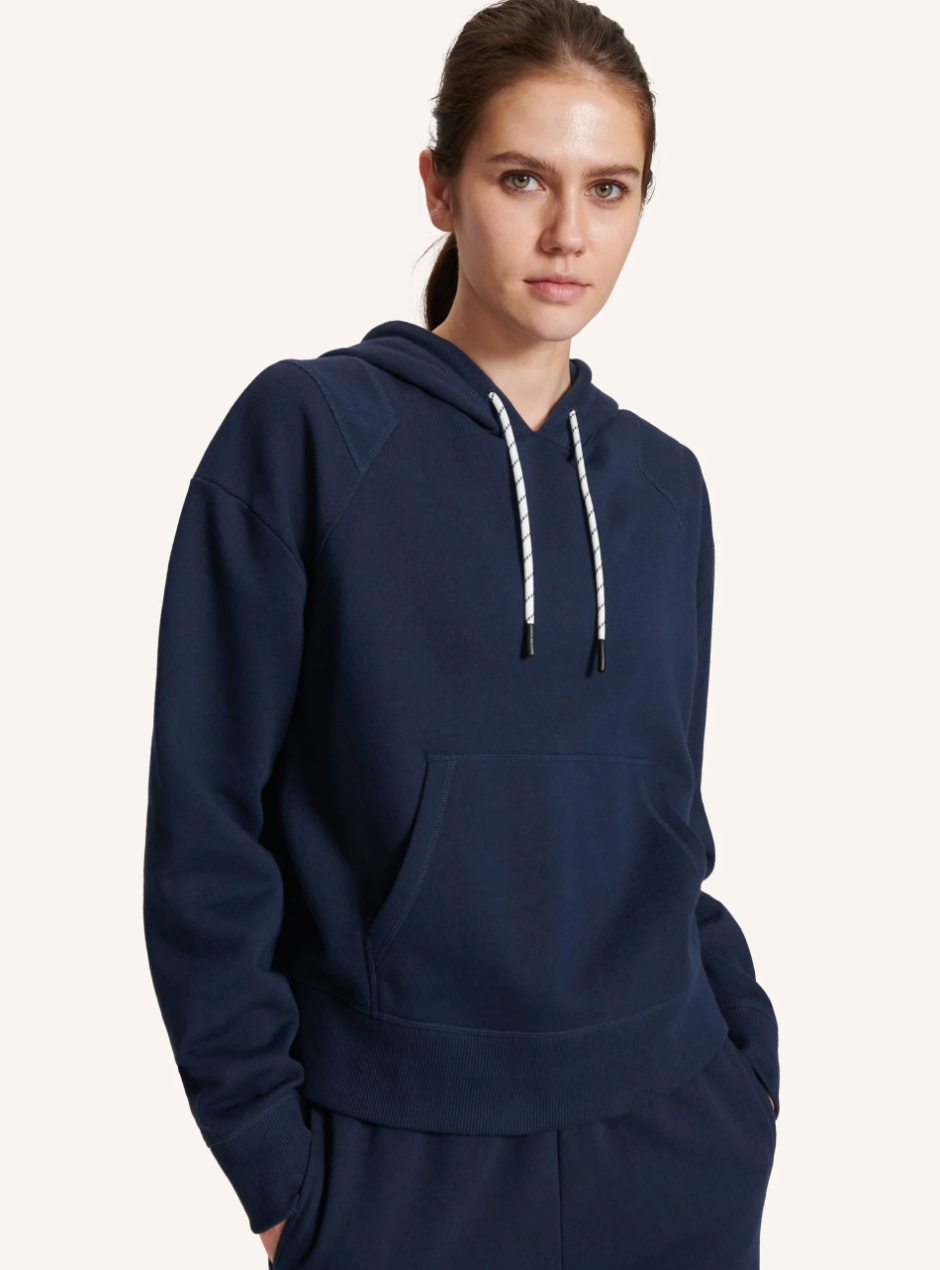
Rib Insert Pullover Hoodie — $98.00
Go navy blue for when you want some business-meets-cozy, work-from-home vibes. This classic hoodie is made from French cotton terry that’s perfect for all seasons and looks as chic as it is snuggly. Expect everything you want out of a timeless hoodie, including a kangaroo pouch and drawstring hood. Only this one has a back-rib insert detailing in a v-shape that give it some edge from all the other sweatshirts in your closet.
Shop Now
Classic Sweatpant — $76.00
Love pairs the above hoodie with a preppy button-down and the matching sweatpants for a polished, scholastic look. But the good news is, you don’t have to dress them up; they go just as well with workout tops, sports bras, camisoles, and more. Just like Love suggests, wear whatever feels good to you and matches your mood.
Shop Now
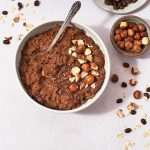
Revitalize Your Morning with Protein-Packed Hazelnut Latte Oatmeal
If you’re looking to level up your oatmeal game in terms of nutrition and flavor, then this High-Protein Hazelnut Latte Oatmeal recipe has what you’re looking for.
A scoop of rich Café Latte Shakeology adds a protein boost and a touch of hazelnut extract pumps up the flavor.
This high-protein oatmeal is super easy to make: Cook your oatmeal like you normally would, then just add almost milk, Shakeology, extract and mix. No muss, no fuss — just pure deliciousness in a bowl.
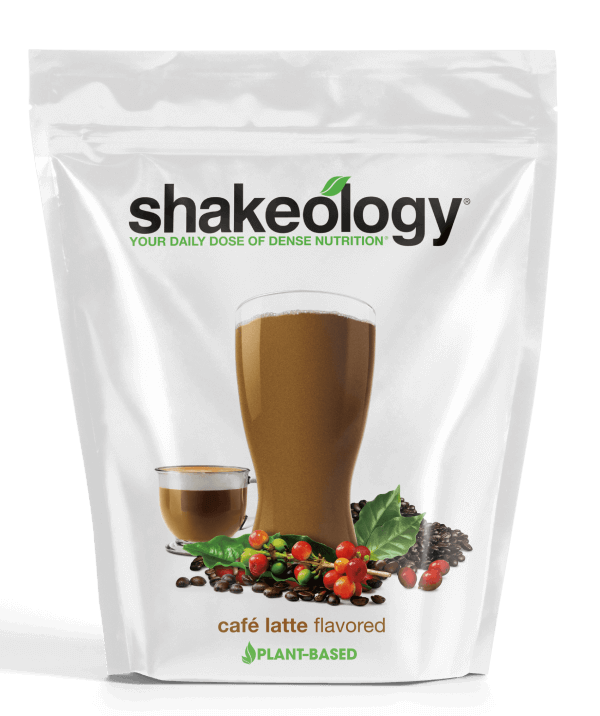
Café Latte Shakeology
Flavored with the rich, creamy taste of coffee, your morning pick-me-up is now a superfood dessert.
Shop Now
Print High-Protein Hazelnut Latte Oatmeal
Level up your oatmeal game with nutrition and flavor with High-Protein Hazelnut Latte Oatmeal made with Cafe Latte Shakeology.
Course Breakfast, Dessert, Snack
Keyword Cafe Latte Shakeology
Prep Time 6 minutes
Cook Time 4 minutes
Total Time 10 minutes
Servings 1 serving
Calories 395kcal
Ingredients
- 1¼ cups / 300 ml water
- ½ cup / 40 g dry rolled oats
- ½ cup / 120 ml unsweetened almond milk
- 1 scoop Café Latte Shakeology
- ½ tsp. pure hazelnut (or vanilla) extract
- 6 unsalted hazelnuts, chopped
Instructions
-
Bring water to a boil in a medium saucepan over medium-high heat.
-
Add oats; mix well. Reduce heat to low. Gently boil, stirring occasionally, for 5 minutes, or until thick and soft.
-
Add almond milk, Shakeology, and extract; stir until combined.
-
Transfer to a serving bowl. Top with hazelnuts. Enjoy!
Notes
Fantastic Fiber (F), Gluten Free (GF), No Dairy (ND), Protein Power (P), Quick ‘n’ Easy (QE), Vegan (V), Vegetarian (VG) The Nutrition Facts box below provides estimated nutritional information for this recipe.** Total Sugar 9 g, Added Sugar 6 g
Nutrition
Serving: 1serving | Calories: 395kcal | Carbohydrates: 48g | Protein: 24g | Fat: 12g | Saturated Fat: 1g | Cholesterol: 10mg | Sodium: 295mg | Fiber: 11g | Sugar: 9g
Container Equivalents (Regular)
1 Red
2 Yellow
½ Blue
½ tsp.
Container Equivalents (Vegan)
1 Red
2 Yellow A
½ Blue
½ tsp.
2B Mindset Plate It!This recipe makes a great breakfast.
The post High-Protein Hazelnut Latte Oatmeal appeared first on BODi.
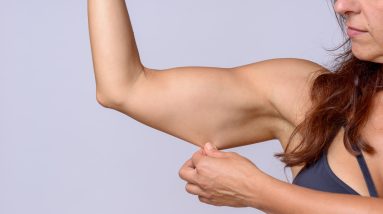
Common Occurrence: Loose Skin After Weight Loss – What You Need to Know
Is It Common To Have Loose Skin After Weight Loss? Blog – HealthifyMe Blog – HealthifyMe – The definitive guide to weight loss, fitness and living a healthier life.
Weight loss can be demanding. It requires determination, dedication, sweat, and self-control. While you might think the struggle ends there, some people have to also experience sagging of their skin after a drastic weight loss. This is more common than we think, yet there is very limited information about this. This happens because, when a person gains weight, the skin stretches to accommodate the increased volume. However, when the weight is lost rapidly or in large amounts, the skin may not have enough time or natural elasticity to contract and conform to the body’s new shape.
Loose skin can inflict an individual’s body image issues, lower self-confidence, and overall satisfaction with weight loss achievements. But, tightening loose skin after weight loss is essential not only to look good but also to improve comfort and mobility. This article will explore the questions regarding factors that contribute to loose skin after weight loss and also provide you with tips on how to tighten it.
Factors Responsible for Having Loose Skin After Weight Loss
Yes, it is absolutely normal that you have loose skin after you went through diet and exercise or even bariatric surgery. However, several factors may be responsible for you to have so. These can be age, genetics, sun damage, the duration of obesity, or even a combination of all. So, let us know how it affects your skin elasticity.
1. Age: Studies show that, as you age, your skin loses its ability to maintain elasticity and is unable to bounce back to its previous state after a significant weight loss. So, elderly people are more susceptible to having loose skin after they have reduced significant weight.
2. Genetics: Genetics has always played a major role in a number of aspects of our life. Another aspect would be in determining an individual’s skin elasticity and their predisposition to developing loose skin. Here is a study that reflects the same.
3. Duration of obesity: The longer the skin remains stretched, the more it loses its natural elasticity. As a result, when weight loss occurs, the skin may struggle to contract and conform to the reduced body size, leading to loose or sagging skin. Studies have confirmed that prolonged obesity can damage the skin’s elastic fibre because of the lower density and thickness of collagen fibres.
4. Rapid weight loss: The skin is a dynamic organ that can stretch and contract to accommodate changes in body size. However, when weight loss occurs rapidly, the skin may not have enough time to gradually adjust and conform to the new body contours. This can result in loose or sagging skin.
5. Sun damage: We already have plenty of evidence to prove that direct exposure to the ultraviolet rays of the sun can cause severe damage to physical health. It is now evident that excessive exposure to the sun’s harmful rays can also degrade collagen and elastin, which are crucial for maintaining skin elasticity.
6. Poor nutrition and hydration: Several clinical studies have established that inadequate intake of essential nutrients and proper hydration can impact normal skin physiology. Certain nutrients may have benefits to reverse loose skin, including anti-aging and anti-sagging effects are Vitamin C, omega 3 fatty acids and other antioxidants. Thus, a deficiency can cause the skin’s elasticity and overall health.
7. Smoking: Smoking cigarettes exposes the body to numerous harmful chemicals, including nicotine and carbon monoxide. These substances can constrict blood vessels and decrease blood flow to the skin. Studies have proved that this reduced blood flow can impair the delivery of oxygen and essential nutrients to the skin, including collagen and elastin fibres.
Summary
Loose skin after weight loss is influenced by several factors, including age, genetics, duration of obesity, rapid weight loss, sun damage, poor nutrition, hydration, and smoking. Gradual weight loss, a balanced diet, staying hydrated, and incorporating strength training exercises can help minimise the risk of loose skin. In some cases, surgical procedures such as body contouring or skin removal surgeries may be considered to address significant loose skin.
How to Tighten Loose Skin After Weight Loss?
Here are some of the options that can help you achieve tight skin after weight loss.
1. Practicing Strength Training
Regular strength training is important to build stamina and boost core strength and muscles. It is evident that incorporating resistance training into your fitness routine can help you build muscles, which can pack the stretched skin and lower the impression of sagging skin. Specific exercises can target problem areas such as the arms, thighs, and abdomen, focusing on toning and strengthening those regions.
2. Relying on a Healthy Diet and Hydration
Diet plays a crucial role in weight loss and management. It also supports in building skin elasticity and collagen production. Consuming fresh nutritious food rich in collagen-boosting nutrients, like vitamin C, zinc, omega 3 fats, and protein, can promote skin health and elasticity. Add fruits, vegetables, lean meats, seafood, nuts, and seeds to your diet. Along with diet, it is equally important to maintain proper hydration which helps maintain skin elasticity and plumpness.
3. Non-surgical Therapies
In cases where loose skin persists despite lifestyle changes, non-surgical options may be considered. Body-contouring procedures such as radiofrequency or ultrasound therapy can help tighten the skin by stimulating collagen production and promoting tissue tightening. Dermatological treatments like laser therapy or microneedling can also improve skin elasticity and texture by stimulating collagen remodelling and promoting skin rejuvenation.
Summary
Tightening loose skin takes time, and it is important to have realistic expectations. The skin’s natural ability to contract and tighten varies among individuals. Consistency in following a healthy lifestyle, including exercise, proper nutrition, skincare, and hydration, is key. It may take several months to see noticeable improvements in skin tightness, and complete tightening may not be possible in all cases. Patience, persistence, and embracing a positive body image are essential during the process of skin tightening after weight loss.
Is It Possible to Naturally Reverse Loose Skin After Weight Loss?
It is definitely challenging to bring back the same elasticity to your skin. However, there are a few everyday lifestyle changes that will help you improve skin tightness and overall appearance. Here are some natural methods that may help:
- Use Sunscreen: Sun damage accelerates skin ageing and contributes to the breakdown of collagen and elastin fibres. So, using sunscreen with high SPF can protect you from UVA and UVB rays. Remember to wear it on a daily basis.
- Quit Smoking: This might be another struggle that you have to undergo to improve your skin. By quitting, you can enhance blood flow, thus allowing the skin to receive essential nutrients and oxygen while lowering the harmful effects of smoking on collagen and elastin fibres.
- Use Supplements: Adding supplements to your diet is always a good idea in order to support skin health and promote elasticity. Consuming supplements containing vitamins A and E, antioxidants, zinc, and selenium can support skin health and protect against free radical damage.
- Stress Management: Stress creates havoc on your mental and physical health. Adequate sleep is said to have heaps of health benefits, one such thing is that it helps in cell turnover and may help firm loose skin. Since stress plays a major role in regulating the circadian rhythm of a body, it is important to adapt stress management techniques, such as exercise, meditation, or relaxation techniques, to help minimise the negative impact of stress hormones on the skin.
Summary
Using sunscreen, supplements containing vitamins A and E, antioxidants, zinc, and selenium and quitting smoking can support skin health. Also, it is important to manage stress and work towards quality sleep. These everyday changes contribute to enhancing skin elasticity and overall skin health.
HealthifyMe Suggestion
Pile up your plate with a rainbow of colourful fruits and vegetables, which contain nutrients vital to skin health. Green leafy veggies and citrus fruits boast plenty of vitamin C, which helps build collagen and promote good skin. Lycopene is a carotenoid that is found in bright red fruits and veggies like tomatoes, watermelon, papaya, red peppers. A diet high in lycopene can help in rejuvenating skin health and prevent ageing.
Conclusion
So, to answer the question, yes it is common to have loose skin after weight loss. But, the key strategies for tightening loose skin after weight loss include regular strength training exercises to build muscle, maintaining a healthy diet and hydration, using skincare products with collagen-boosting ingredients, considering non-surgical options like body-contouring procedures, and adopting a healthy lifestyle with sun protection and stress management techniques.
If you feel the need of medical intervention, feel free to talk to a medical professional for personalised advice. However, it is pivotal to celebrate and embrace one’s body and the achievements of weight loss. While loose skin may be a cosmetic concern, it should not overshadow the incredible accomplishment of losing weight and improving overall health.
Disclaimer: The purpose of this article is just to disperse knowledge and raise awareness. It does not intend to replace medical advice from professionals. For further information please contact our certified nutritionists Here
Frequently Asked Questions (FAQs) Q. How can I naturally tighten loose skin after weight loss?
Natural methods include strength training exercises, maintaining a healthy diet and hydration, using collagen-boosting skincare products, considering non-surgical options like body-contouring procedures, and adopting a healthy lifestyle with sun protection and stress management techniques.
Q. Can exercises help tighten loose skin after weight loss?
Yes, regular strength training exercises can help build muscle mass, which fills out loose skin and provides more support. Targeted exercises for specific problem areas can help tighten and strengthen those areas.
Q. How long does it take for loose skin to tighten after weight loss?
The timeline varies for each individual, depending on factors such as age, genetics, and the amount of weight lost. It can take several months to years for the skin to naturally tighten. Consistency with lifestyle changes is key.
Q. Can supplements help tighten loose skin after weight loss?
Some supplements, like those containing vitamins A and E, antioxidants, zinc, and selenium, can support overall skin health and promote elasticity. However, they should be used in conjunction with a healthy diet and lifestyle.
Q. Can age affect the skin’s ability to tighten after weight loss?
Yes, as individuals age, their skin naturally loses elasticity, making it more difficult for the skin to bounce back after weight loss. However, adopting a healthy lifestyle and following the strategies mentioned earlier can still help improve skin tightness.
Reference Sources
- Influence of age and regional differences on skin elasticity as measured by the Cutometer
https://pubmed.ncbi.nlm.nih.gov/19159383/ - Image Analyzer Study of the Skin in Patients With Morbid Obesity and Massive Weight Loss
https://www.ncbi.nlm.nih.gov/pmc/articles/PMC4311578/ - Biomechanical properties of skin in massive weight loss patients
https://pubmed.ncbi.nlm.nih.gov/20401759/ - Cigarettes Smoking and Skin: A Comparison Study of the Biophysical Properties of Skin in Smokers and Non-Smokers
https://www.ncbi.nlm.nih.gov/pmc/articles/PMC7230126/ - Natural and Sun-Induced Aging of Human Skin
https://www.ncbi.nlm.nih.gov/pmc/articles/PMC4292080/ - Genetic polymorphisms and skin aging: the identification of population genotypic groups holds potential for personalized treatments
https://www.ncbi.nlm.nih.gov/pmc/articles/PMC4085290/
The post Is It Common To Have Loose Skin After Weight Loss? appeared first on Blog – HealthifyMe.

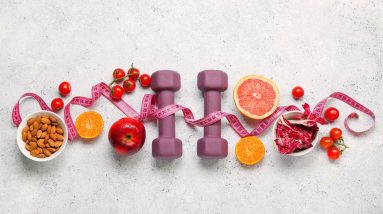
Achieving Weight Loss Goals: Overcoming Obstacles, Boosting Motivation, and Effective Strategies
Weight Loss Motivation: Supporting Factors, Barriers and Strategies To Succeed Blog – HealthifyMe Blog – HealthifyMe – The definitive guide to weight loss, fitness and living a healthier life.
In today’s world, weight loss has become a common goal for many people seeking to improve their health and overall well-being. However, embarking on a weight loss journey can be challenging, requiring determination, perseverance, and most importantly, motivation. Weight loss motivation serves as the driving force behind our efforts, helping us stay committed to our goals and overcome obstacles along the way.
In this article, we will explore the importance of weight loss motivation and dig into strategies to boost and sustain it. We will examine the factors that contribute to weight loss motivation, common barriers that may hinder progress, and practical techniques to maintain motivation through the weight loss journey.
Factors That Contribute To Weight Loss Motivation 1. Personal Goals and Desires
One of the determining factors that contribute to weight loss motivation is personal goals and desires. Personal goals provide a sense of purpose and direction, driving individuals to take action and make positive changes in their lifestyles.
2. Health Concerns
Health concerns and risks associated with excess weight or obesity can be a significant motivator for weight loss. Research indicates that conditions such as heart disease, diabetes, high blood pressure, and joint problems are commonly linked to being overweight. Understanding the potential health risks and the desire for better overall well-being can serve as powerful incentives for individuals to adopt healthier habits and strive for weight loss.
3. Social Influences
Social influences from family and friends can play a role in weight loss motivation. The desire to meet expectations from loved ones can motivate individuals to pursue weight loss. Additionally, having a support system or participating in weight loss communities can provide accountability and encouragement, further enhancing motivation.
4. Emotional Well-being
Research shows a close link between weight loss and the state of emotional well-being, with the two having a directly proportional relationship. Thus, many individuals seek weight loss as a means to improve their mental and emotional health. Addressing emotional eating patterns, building self-confidence, and enhancing self-esteem are common drivers for weight loss motivation. The desire to feel happier, more balanced, and at peace with oneself can serve as a strong motivator throughout the journey.
Summary
Weight loss motivation is influenced by personal goals and desires, such as wanting to improve confidence, and physical fitness, or achieve a specific weight. Health concerns and risks associated with excess weight, such as heart disease and diabetes, serve as powerful motivators. Emotional well-being plays a significant role as individuals seek weight loss to improve mental and emotional health, address emotional eating patterns, and boost self-confidence and self-esteem.
Common Barriers To Weight Loss Motivation 1. Lack of Self-discipline
According to studies, one of the most common barriers to weight loss motivation is the lack of self-discipline and willpower. Maintaining a healthy diet, sticking to an exercise routine, and making consistent lifestyle changes can be challenging. Without a strong sense of discipline and willpower, individuals may struggle to stay motivated and easily succumb to unhealthy habits or temptations.
2. Unrealistic Expectations
Unrealistic expectations can also hinder motivation for weight loss. Setting overly ambitious or unattainable goals can lead to frustration and disappointment. When progress doesn’t match expectations, individuals are likely to lose motivation and give up altogether. Studies suggest that it is important to set realistic and achievable goals that take into account individual circumstances and capabilities.
3. Negative Self-talk and Self-image
Research proves that negative self-talk and a poor self-image can significantly impact weight loss motivation. Negative thoughts and beliefs about oneself, such as feeling unworthy or incapable of achieving success, can undermine motivation. It is crucial to cultivate a positive mindset and practice self-compassion, focusing on progress rather than perfection.
4. Lack of Social Support
The absence of social support can be a significant barrier to weight loss motivation. Surrounding oneself with individuals who do not understand or support the weight loss journey can make it challenging to stay motivated.
Summary
By recognizing the common barriers to weight loss motivation, individuals can develop strategies to overcome them. Building self-discipline and willpower through habit formation, setting realistic goals, cultivating positive self-talk, and seeking out social support are all effective ways to break through these barriers and maintain motivation on the weight loss journey.
Strategies to Boost Weight Loss Motivation 1. Identify Personal Reasons to Lose Weight
Understanding personal motivations for weight loss is essential. Identifying specific reasons, such as improving overall health, increasing energy levels, or setting a positive example for loved ones, can provide strong intrinsic motivation that fuels long-term commitment. Recognising improved well-being, increased self-confidence, a better quality of life, and enhanced mental and emotional health are some of the commonly known motivators.
2. Set SMART Goals
Setting Specific, Measurable, Achievable, Relevant, and Time-bound (SMART) goals. SMART goals are specific, clearly defined, measurable, attainable, relevant to one’s overall objectives, and time-bound. This approach helps individuals establish a clear roadmap and track their progress effectively.
Breaking down larger weight loss goals into smaller, more manageable milestones can enhance motivation. By focusing on achievable targets along the way, individuals can experience a sense of accomplishment, boosting their motivation to continue their weight loss journey.
3. Build a Network of Like-minded People
Surrounding oneself with like-minded individuals who are also committed to weight loss can provide support and motivation. Joining weight loss groups, online communities, or finding workout buddies can create a positive environment that fosters motivation.
Furthermore, involving family and friends in the weight loss journey can contribute to motivation. Sharing goals and progress with loved ones can provide encouragement, accountability, and understanding during challenging times.
4. Tracking Your Progress
Utilising technology, such as fitness trackers or mobile apps, can assist in monitoring progress. These tools provide real-time data, reminders, and even social support, reinforcing motivation and helping individuals stay on track. You can also use the HealthifyMe app to keep a tab on your overall progress and help yourself stay focussed.
Alternatively, keeping a journal to track food intake, exercise routines, and progress can provide valuable insights and help you stay accountable. Reviewing achievements and recognizing areas for improvement can reinforce motivation and enhance self-awareness.
5. Reward Yourself
Celebrating milestones along the weight loss journey is crucial for maintaining motivation. Setting up small rewards, such as treating oneself to a favourite activity or purchasing a new workout outfit, can provide a sense of accomplishment and further fuel motivation.
Summary
To boost weight loss motivation set realistic goals using the SMART framework and break them into smaller milestones. Find intrinsic motivation by identifying personal reasons for weight loss and focusing on broader benefits. Create a supportive environment with like-minded individuals, family support, and positive influences. Track progress and celebrate milestones through journals, technology, and rewards. These strategies help maintain motivation and achieve long-term weight loss success.
HealthifyMe Suggestion
We all know it’s very important to be positive and motivated for mental well-being. One day I found that my glucose levels were high, and I was shaken, thinking of further health issues. Being stressed, I started figuring out where I should start. I kept my target and started working on it. There were many ups and downs, but with future health consequences in mind, I started with exercise, keeping my food on track, my water intake, and my sleep. Slowly, I started enjoying my route. My glucose levels are now controlled, and other blood parameters are as well.
Conclusion
In conclusion, weight loss motivation is a powerful driving force that fuels individuals on their journey towards achieving their weight loss goals. Factors such as personal goals, health concerns, social pressures, and emotional well-being all contribute to the level of motivation one experiences. By setting realistic goals, finding intrinsic motivation, creating a supportive environment, and tracking progress, individuals can sustain their motivation and overcome barriers that may arise.
It is important to remember that weight loss is a personal and unique journey, and maintaining a positive mindset and self-care is vital. With dedication, perseverance, and strong motivation, individuals can embark on a successful weight loss journey and experience the transformative benefits it brings to their overall health and well-being.
Disclaimer: The purpose of this article is just to disperse knowledge and raise awareness. It does not intend to replace medical advice from professionals. For further information please contact our certified nutritionists Here
Frequently Asked Questions (FAQs) Q. How do I get motivated to lose weight?
To get motivated to lose weight set specific goals, find your intrinsic motivation by identifying personal reasons for wanting to lose weight, visualize your success, surround yourself with supportive people, and track your progress while celebrating small achievements.
Q. Why am I so unmotivated to lose weight?
Feeling unmotivated to lose weight can be influenced by unclear goals, past failures, negative self-talk, lack of support, and unrealistic expectations. Identifying and addressing these factors, seeking support, and focusing on the positive aspects of your weight loss journey can help rekindle motivation.
Q. How can I lose weight mentally?
To lose weight mentally, cultivate a positive mindset, practice self-compassion, address emotional triggers related to food, practice mindful eating, manage stress effectively, and prioritize overall well-being rather than solely focusing on the number on the scale.
Q. How do I motivate myself to stop eating?
Motivate yourself to stop eating by identifying emotional triggers for overeating, finding alternative coping mechanisms, planning and preparing healthy meals in advance, practising portion control and mindful eating, engaging in distracting activities, and seeking support from friends or professionals when needed.
Q. How can I train my brain to lose weight?
Train your brain to lose weight by challenging negative thoughts and beliefs about weight loss, using positive affirmations and visualization techniques, surrounding yourself with positive influences and supportive individuals, focusing on the process rather than just the end result, and practising consistency and repetition in establishing healthy habits.
Reference Links
- Health Effects of Overweight and Obesity: https://www.cdc.gov/healthyweight/effects/index.html
- Weight Change, Psychological Well-Being, and Vitality in Adults Participating in a Cognitive-Behavioral Weight Loss Program: https://www.ncbi.nlm.nih.gov/pmc/articles/PMC4733266/
- Perceived Barriers to Weight loss Programs for Overweight or Obese Women: https://www.ncbi.nlm.nih.gov/pmc/articles/PMC3963684/
- Why setting goals makes weight loss more effective: https://www.manual.co/health-centre/weight-loss/why-setting-goals-makes-weight-loss-more-effective
- The Impact of Self-Criticism and Self-Reassurance on Weight-Related Effect and Well-Being in Participants of a Commercial Weight Management Programme: https://www.ncbi.nlm.nih.gov/pmc/articles/PMC5644966/
The post Weight Loss Motivation: Supporting Factors, Barriers and Strategies To Succeed appeared first on Blog – HealthifyMe.

2023 Rising Phoenix World Championship Card Features Fitness Model Andrea Shaw as Headliner
Even with the Ms. Olympia being brought back in 2020, the Rising Phoenix Women’s Bodybuilding World Championship is still a very prestigious title within the world of women’s bodybuilding. Jake Wood and the team at Wings of Strength go all out in making this show a contest worthy of the best female bodybuilders in the world. Wood’s team announced the roster of athletes competing in the 2023 contest in Phoenix, Arizona on September 30th in an Instagram post on May 29th, and you can see the full list below.
View this post on InstagramA post shared by Wings of Strength (@wingsofstrength)
- Andrea Shaw*
- MayLa Ash
- Michaela Aycock
- Leah Dennie
- Reshanna Boswell
- Nicki Chartrand
- Desunka Dawson
- Chelsea Dion
- Julia Fory
- Natalia Kovaleva
- Rene Marven
- LaDawn McDay
- Kristina Mendoza
- Sheena Ohlig
- Sherry Priami
- Virginia Sanchez
- Melissa Teich
- Tina Williams
- Angela Yeo
- International Winner
*Defending champion
The last spot on this list is an interesting one. The Ms. International contest’s date has yet to be announced, but the winner of that contest will be invited to compete in this show as well.
Past Champions
Shaw is the defending three-time champion, but this contest goes back to 2015. The past four winners of this show are listed below.
- 2020-2022 – Andrea Shaw
- 2017, 2019 – Helle Trevino
- 2018 – Alina Popa
- 2015-2016 – Margie Martin
Shaw is already the winningest champion in the contest’s short history, but she clearly wants to tack onto that record by winning her fourth championship. She’s also the three-time and reigning Ms. Olympia. The Rising Phoenix show has doubled as a show that gauged how she would fare at the Olympia. This year, the two contests are a mere six weeks apart. The Olympia will be held on Nov. 2-5 in Orlando, FL. Shaw having to peak twice may make this a unique challenge.
That said, Shaw is considered the early favorite to win number four in both the Rising Phoenix and the Olympia. No other past champions are in this lineup, but Ash was the runner-up to Shaw in the Rising Phoenix show in 2022, and Yeo was the Ms. Olympia runner-up. Both ladies are in this contest. Ash has quite of experience under her belt while Yeo is considered a future superstar in the IFBB Pro League. Either competitor could potentially break Shaw’s streak and win the title, $50,000 prize money, and 2023 Ms. Olympia qualification. If they were, how would that affect the Ms. Olympia contest in Orlando?
You can get tickets or learn more about the Rising Phoenix by going to www.wingsofstrength.net .

Elevate Your Workout’s Mental Health Benefits with a Beach, Lake or River Session
Glancing through resort advertisements, you can’t help but notice the overwhelming presence of ocean and coastline beckoning you to leave all your stressors behind. It’s no accident that blue spaces—which include all waterscapes and their environments—are front and center in vacation ads, or that condos with a water view are priced at a premium. Humans feel an ancient and irresistible pull toward the water, and the fields of evolutionary and psychological study have been turning up evidence of how deep and influential this drive can be.
Essentially, blue spaces have the power to improve our mental and physical health and foster meaningful mind-body connections—similar to the way that exercise can. “A blue space setting can increase one’s physical activity levels, boost mood and well-being, and lower stress and anxiety,” says Reena B. Patel, LEP, BCBA, positive psychologist, and licensed educational board certified behavior analyst.
Taking your workouts to the beach, lake, river, or any other space near a natural body of water may provide compounding benefits beyond those you’d get from indoor gym sessions. “While exercise has many physical health advantages, it also plays a beneficial role for our mental well-being, and pairing fitness and movement with blue areas can increase both,” says Patel.
Benefits of blue spaces for mind and body
Researchers have reached the consensus that human relationships to water influence identity; sense of belonging and place; and physical, emotional, and spiritual wellness. Throughout history, waterscapes have been a destination for relaxation, fun, sport, and leisure, while also being considered healing and invigorating. While this has been obvious in so many cultures for thousands of years, science also backs it up.
“Being in natural spaces has been shown to improve well-being by lowering stress levels and reducing symptoms of anxiety and depression,” says Amy Mezulis, PhD, co-founder and chief clinical officer of online therapy platform Joon. “Time spent in blue spaces may help people buffer against the effects of stress by reducing sympathetic nervous system activation, lowering cortisol levels, and expanding the internal ability to access good coping resources.”
So, what does that all mean? A calmer, less stressed version of yourself.
“Sensory input is a key component to cultivating mindfulness, and mindfulness has both direct and indirect mental health effects,” adds Dr. Mezulis. Blue spaces offer plentiful sensory input, such as the color contrasts of water against the landscape and the sounds and smells associated with that water and its movement. “This sensory mindfulness, in turn, supports us in slowing down, grounding in the present reality, and finding a sense of inner peace,” Dr. Mezulis explains.
Combining fitness with blue spaces
It seems that simply existing near water can lead to more movement in your life. In fact, access to blue spaces is associated with significantly higher physical activity levels, according to findings published in The International Journal of Environmental Research and Public Health. The more blue spaces near your home, the more likely you are to be active, which makes sense: In addition to providing opportunities to swim or row a boat, many lakes and rivers are flanked by running and biking paths, while sandy beaches naturally invite active recreation, from surfing to volleyball to long walks (romantic or otherwise).
Interestingly, several studies have found that physical activity is the key ingredient that connects being in natural spaces to better well-being. “People who use blue and green spaces for physical activity have better mental health outcomes than those who do not,” says Dr. Mezulis. Of course, we know that physical activity has major mental health benefits, like lower stress, improved perspective, and a better ability to problem-solve. “Physical activity in a blue space maximizes those benefits,” she adds.
According to Dr. Mezulis, being active in spaces that encourage mental and physical balance likely helps you benefit further from connecting your mind and body. “Any time we want to engage in behaviors that promote our mental health and well-being, two important components are time and intention,” explains Dr. Mezulis. “We can gain the most benefits from blue spaces when we make it a priority to spend time in those spaces with the intention of making that time beneficial for our mental health.”
How to get started
If you want to reap these benefits, intentionally schedule regular time to be in blue spaces and plan physical activity around those opportunities. Maybe it’s taking a walk to a local pond or river, or going swimming in a lake. Even simple strolls alongside streams or brief toe dips into the ocean can have mental health benefits if you bring a reflective mindset with you.
Or, if you’re feeling adventurous, incorporate the water itself into your workout and make exercise more exciting by trying paddleboarding, surfing, or kayaking to add variety.
Above all, be mindful: “Stay present by taking time to appreciate its beauty,” suggests Patel.
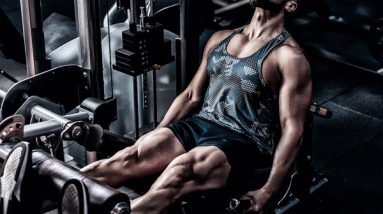
Discover the Effective Feeder Workouts: Unlock the Secret to Building Impressive Muscle Mass
Feeder workouts are quick, high-volume, light weight workouts, that can help increase blood improve muscle size and strength. Coined by bodybuilder Rich Piana, feeder workouts can help improve muscle size by constantly providing or feeding the muscle, with more nutrients, blood flow and oxygen. We’re going to talk more about feeder workouts and how this workout protocol can help you grow more size where you need it.
What Are Feeder Workouts
The theory behind a feeder workout, is that low weight, high volume workouts, performed every day, at 2-3 sets of 20-50 reps can help significantly add more size and strength. For example, performing light weight bicep curls, at 100 reps, every night will provide more nutrients, blood flow and oxygen, thus “feeding” your muscle tissue and help you grow more size.
Do Feeder Workouts Work
According to the principles of muscle protein synthesis, feeder workouts, should in fact, be able to increase muscle size and strength.
Muscle protein synthesis is the biological process of building new protein cells to rebuild and repair muscle tissue, via amino acid utilization. This biological process is a result of intense physical stress, caused by micro-tears and mini trauma done to the muscle tissue during training. Although you’re not using heavy weight in a feeder workout, does not mean it is not intense, or creating micro-tears in the muscle.
Studies suggest that the intensity/workload is negligible on the rate of MPS. MPS is truly controlled by exercise in addition to nutrient intake.
The human body is comprised of 650 skeletal muscles, composed of thread-like myofibrils and sarcomeres which can achieve growth, through the process of repeated muscle contraction. The metabolic change for how muscles grow, is an increase in net muscle protein balance, which is simply the difference between muscle protein synthesis and muscle protein breakdown. An increase in net muscle protein balance, is a direct response to resistance training and nutrition which stimulate anabolic response through muscle protein synthesis [R].
Muscle growth takes place in two different forms, hypertrophy and hyperplasia. Hypertrophy is an increase in muscle size due to an increased in the size of muscle muscle fibers, while hyperplasia is an increase in the number of muscle fibers. Hypertrophy is achieved through increased muscle tension and physical stress, breaking down muscle fiber. Growth is a result from overcompensation to protect the body from future stress [R].
Resistance training places intense physical stress on your muscle fibers, creating microtears and trauma to your muscle tissue, stimulating the muscle building process. The rate at which you build muscle depends on several variables related to resistance training, such as training volume, load, workout intensity, and duration. Maximizing muscle growth through training, will also depend on how many sets and reps you do.
Training for maximal muscle growth requires higher volume training and more intensity, with minimal rest periods. This will essentially force cellular changes which will result in increased muscle growth.
Therefore, feeder workouts, should in fact work, and work very well to induce more changes in muscle size and strength.
RELATED ARTICLE How Do Muscles Grow
The other component to muscle growth, is nutrition. Protein is vital to initiate muscle protein synthesis to rebuild and repair muscle. Protein is comprised of amino acids, which stimulate the muscle building process. This is why you see bodybuilders such as Piana supplement with a protein shake. It’s important to flood your muscles tissue with the fuel it needs to maximize performance. Drinking a protein shake before your workout will help elevate amino acids in your bloodstream at a much faster rate, than food alone. The short rush of amino acids is known as hyperaminoacidemia and stimulates greater amounts of muscle protein synthesis. Having a flood of amino acids post-workout is just as important, as it will help with muscle growth and optimize your post-workout recovery.
If you’re not exactly sure where to start with your nutrition, schedule a free nutrition consultation with a certified nutrition coach at The Swole Kitchen. Take the guess-workout out of your nutrition and get results right away.
Feeder Workouts: Takeaway
Adding feeder workouts to your normal training protocol, or workout split, could in fact help you grow muscle size and strength in acute areas of focus. If for example, you need to grow your biceps, or quadriceps for a more balanced physique, then you can add a feeder workout, with more volume, of 50-100 reps of bicep and leg curls to help grow more size and strength. Rich Piana was one of GOATS in bodybuilding and always had an amazing physique. So, it’s probably worth a shot.
Need Help With Optimizing Your Diet, Nutrition, And Training Plan To Finally Get The Results You’ve Been Waiting For Without Having To Diet At All?
The Swole Kitchen provides 1:1 nutrition coaching, macro coaching, and custom meal plans to help guide you to becoming the best version of yourself. We teach you how to enjoy the foods you love in the right amounts, so you can fit into your favorite pair of jeans, hit your health and fitness goals, and be healthy and happy. We guide you through making sound nutritional decisions and teach you along the way, so you can learn how to take control of your health, and discover what if feels like to live again.

SWOLVERINE IS AN ENDURANCE ATHLETE AND ACTIVE LIFESTYLE BRAND. MADE FOR THE ELITE ATHLETE, AND THE STRONG-WILLED OUR PRODUCTS WERE DESIGNED TO FUEL YOUR ATHLETIC PERFORMANCE. WE PERFORM WHEN YOU PERFORM.
We believe that everyone can optimize not only their athletic performance but their human potential. The way we believe we can optimize performance is through transparency, clinically effective doses, and clinically proven ingredients with evidence-based outcomes. We provide the nutrients you need to power your active lifestyle.

6 Causes and 5 Treatments for Chronic Inflammation: A Comprehensive Guide for Health and Fitness Enthusiasts
When you think about inflammation, typically you’ll think of joint pain after a grueling workout out, or inflammation caused by injury. This is what’s known as acute inflammation, or inflammation specific to one area of the body. But what about chronic inflammation. Chronic inflammation is a slow, long lasting and lingering form of inflammation that has many associated causes, which can become quite complex and debilitating. We’re going to talk about what chronic inflammation is, the causes, and how it affects you.
What Is Chronic Inflammation
Inflammation is your body’s natural defense mechanism. Inflammation is characterized by several factors, such as heat, redness, pain, or swelling. Inflammation is caused by a direct stimulus, such as a pathogen. Your body produces an inflammatory response to this stimulus. The goal is to respond to the stimuli, (an inflammatory response) restore balance and begin the healing process.
Chronic inflammation is described as slow, long-lasting, and persistent inflammation, which can last for several months of even years. Now, you may be thinking, well I’m not in pain, my joints aren’t swollen, so how could I have inflammation. Chronic inflammation is commonly known as hidden or silent inflammation. The extent and effects of chronic inflammation are dependent upon the severity of cause, as well as treatment protocol, and your body’s ability to repair and heal itself.
6 Causes Of Chronic Inflammation
On a molecular level, inflammation is often caused by several internal and external factors.
External factors can either be non-microbial or microbial. Non-microbial factors can include things such as allergens, irritants, and toxic compounds. The two main microbial factors are virulence factors and pathogen associated molecular patterns or (PAMPS). These virulence factors help pathogens colonize tissues and cause infection.
(PAMPs) are derived from microorganisms and recognized by pattern recognition receptor (PRR)-bearing cells of the innate immune system as well as many epithelial cells.
PAMPS are a diverse set of microbial molecules that share a number of different general “patterns,” or structures, that alert immune cells to destroy intruding pathogens. These microbial molecules, include, lipopolysaccharide (LPS), peptidoglycan, and lipoteichoic acid. Your immune system recognizes virulence factors and PAMPS as foreign substances and can trigger an inflammatory response against them.
Internal factors, include damage associated molecular patterns otherwise known as (DAMPS). These are intracellular proteins that are released when a cells plasma membrane is injured or when a cell dies. Therefore, DAMPS trigger inflammation, as a response.
1. Cortisol Levels
Lack of cortisol can greatly contribute to chronic inflammation. Cortisol is a potent anti-inflammatory hormone; it prevents the widespread tissue and nerve damage associated with inflammation.
Cortisol is a steroid hormone, specifically a glucocorticoid, which is made in the adrenal glands. Cortisol regulates a wide range of biological processes including metabolic and immune responses. It’s been widely studied that cortisol responsiveness is an important indicator and determinant in the metabolic response to stress, specifically the ‘fight or flight response’ which influences weight gain and obesity. Cortisol controls the body’s blood sugar levels, thus regulating metabolism.
Lack of cortisol is caused by having high blood serum levels of cortisol within the body, due to cortisol resistance. Conditions such as bursitis, arthritis, or tendonitis, characterized by inflammation, typically involves a lack of cortisol.
When our body contains low levels of cortisol, corticotrophin-releasing factor (CRF), (the principal regulator of the HPA axis) is secreted from the hypothalamus, which causes the pituitary gland to release another hormone, adrenocorticotropic hormone (ACTH). When the blood contains high levels of ACTH, it goes through a biological process called the Negative Feedback Loop. During this process the body secretes cortisol to regulate and maintain a steady hormone level. When ACTH is too high, the adrenal glands stimulate the release of cortisol, causing cortisol blood concentration to rise. As cortisol rises, it blocks the release of CRF and ACTH. As a result, ACTH levels start to drop, which ultimately leads to a drop in Cortisol. Thus, cortisol is regulated through a constant loop and cascade of biological reactions.
2. Chronic Stress
Several studies have shown that acute or chronic stress may lead to dysregulation of the hypothalamic–pituitary–adrenal (HPA) axis, which is mediated by inflammatory markers such as CRP and other stress hormones, including cortisol. Physical, mental, and emotional stress are all associated with inflammatory cytokine release.
Stress can also cause sleep disruption and chronic sleep disorder. Those with irregular sleep schedules are more likely to have chronic inflammation than consistent sleepers. Lack of sleep is therefore considered as an additional independent risk factors for chronic inflammation.
3. Sugar And Starch
One of the most common causes of inflammation, is from glucose. Too much sugar can produce an inflammatory response, which can lead to insulin resistance. Insulin is created by the pancreas. It’s an anabolic hormone within the body and happens to be the hormone that is secreted when blood glucose levels rise from eating carbohydrate-rich foods. After you eat, carbohydrates break down into glucose, Glucose then enters the bloodstream. The pancreas responds by producing insulin, which allows glucose to enter the body’s cells to provide energy. Excess glucose is stored as energy, in the form of body fat.
It’s important to recognize that carbohydrates are needed for normal biological function. There are certainly great sources of carbohydrates that are necessary for human and biological function. The carbohydrates that I am referring to, are sugar rich carbohydrates, such as processed foods, candy, and sugar loaded soft drinks.
If your cells become resistant to insulin, it will lead to elevated blood glucose levels, otherwise known as (hyperglycemia), and in time can lead to obesity and Type 2 diabetes.
4. Previous Injuries
Old injuries or trauma can cause chronic inflammation, through what’s called post-traumatic arthritis. Post-traumatic arthritis causes stiffness and pain in your affected joints. In most cases trauma or injury results in acute inflammation. It can however become a chronic condition. If you have old injuries, then reducing overall inflammation is crucial to the healing process.
5. Alcohol Consumption
Alcohol consumption can lead to inflammation, for several reasons. Alcohol is a toxin, and naturally your body will produce inflammation and stress trying to process it. Alcohol has a systemic effect on the gut microbiota. Chronic alcohol use impairs the balance of microflora in the gut, the gut barrier function, the liver’s ability to detoxify bacterial products and to generate a balanced cytokine milieu, and the brain’s ability to regulate inflammation in the periphery [R].
6. Unhealthy Gut Microbiome
Nearly all causes of inflammation can be directly traced back to the gut. 60-70% of your immune system is controlled by the gut. Pathogens, microbes, and foreign materials are constantly introduced to the gut, which can produce an inflammatory response.
If you have food allergies, such as a dairy sensitivity, gluten intolerance, or other sensitives, these constituents can be seen by the immune system as an invading allergen, irritant, or toxin.
Having a healthy microbiome, will help regulate the immune system, absorb more nutrients, and produce better defenses against invading pathogens. The gut lining or gut barrier is our first defense against inflammation, and when that barrier is breached, we produce systemic inflammation. This is called, gut hyper-permeability. This specific mechanism is directly correlated and characterizes the etiology associated with inflammatory bowel disease states, such as Crohn’s, Ulcerative Colitis, and irritable bowel syndrome.
RELATED ARTICLE 14 Studies That Prove Glutamine As A Potential Treatment Option For IBD
5 Potential Treatments For Inflammation – How To Control And Reduce Inflammation 1. Supplements (Turmeric, Krill Oil, Vitamin D3)
Several studies have demonstrated that supplements such as Omega-3s, Turmeric, and Vitamin D3 can help combat chronic inflammation.
Krill Oil
Omega-3s are essential fatty acids, also known as EFAs. The body requires EFAs for optimal health but cannot make these essential fatty acids on its own. EFAs are ‘essential’ meaning, these types of fats must be consumed in the diet or by a dietary supplement, such as Krill Oil. The human body requires both groups of EFAs (omega-3 and omega-6) to survive, however the typical modern-day diet, is much higher in Omega-6 fatty acids than Omega-3, making supplementation critical to your overall health.
Krill Oil comes from tiny shrimp-like crustaceans, which are found deep in the cold waters of the Antarctic Ocean. Krill oil is rich in long-chain omega-3 polyunsaturated fatty acids (PUFAs), eicosapentaenoic acid (EPA), and docosahexaenoic acid (DHA), which have been found to have positive effects on inflammation, decreasing oxidative stress, and enhancing recovery [R]
In a study conducted at the University of Pittsburgh Medical Center, 125 patients that were diagnosed with nonsurgical neck or back pain were administered 1200-2500mg of Omega-3 fatty acids per day. After 75 days, fifty-nine percent discontinued taking their prescription NSAID medications for pain. Sixty percent stated that their overall pain was improved, and 60% stated that their joint pain had improved. Eighty percent stated they were satisfied with their improvement, and 88% stated they would continue with Omega-3 supplementation. This study concluded that Omega-3 supplementation demonstrated an equivalent effect in reducing arthritic pain, as does Ibuprofen [R].
Studies have proven that krill oil helps reduce joint pain and arthritic symptoms by directly reducing the amount of C-reactive protein in the blood; a protein made by the liver in response to inflammation. Therefore, if you’re experiencing post workout joint pain, or exhibit mild arthritic symptoms, krill oil can potentially help reduce pain and joint discomfort [R].
RECOMMENDED PRODUCT Krill Oil (60 Servings with Astaxanthin)
Vitamin D3
Obtained from the sun and synthesized through the skin, vitamin d is an integral component of overall health and wellness. Vitamin D is unique in the fact, that it doesn’t function like a vitamin, but more like a hormone. Classified as a pro-hormone, Vitamin D is an essential component in bone and mineral metabolism.
Often hard to obtain through dietary sources alone, supplementation is crucial for health and wellness. According to a national nutrition examination survey 41.6% of US adults exhibited vitamin d deficiency, with the highest rate seen in African Americans at 82.1% followed by those of Hispanic descent at 69.2% [R]. Since Vitamin D is a fat-soluble vitamin, it’s crucial that you pair vitamin d with a fat, to enable optimal absorption and calcium uptake. Swolverine’s Vitamin D3 is 10,000 IUS suspended in olive oil for optimal absorption and potency.
Several studies have shown that Vitamin D3 has analgesic and anti-inflammatory properties, and effects.
A Swiss study, conducted at the University of Bern, found that 71% of study participants exhibiting chronic pain and hyperalgesia were Vitamin D deficient.
Another interesting study examined 120 children who were exhibiting recurrent growing pains, lasting more than 6 months. Following vitamin D supplementation, the mean VAS score (commonly known as pain score) was reduced from 6.8 to 2.9, resulting in a mean reduction of 3.8 at the 3 months follow up. A reduction of 57% [R].
Several observational and controlled studies have found that vitamin d deficiency may be related to chronic musculoskeletal chronic low back pain [R, R, R]. In a very large observational study with over 9,000 study participants, it was found that low vitamin d levels was directly related to back pain, to its severity, and to difficulty in performing daily activities.
Chronic in-healable wounds are often associated and can be a sign of low vitamin d levels and chronic inflammation. Vitamin D3 is vital in the crucial for the production of new skin and as part of the wound healing process. A study examining the effects of Vitamin D on patients with foot ulcers due to diabetes found that Vitamin D may play an indirect role in wound healing due to its effect on improved glycemic control.
RECOMMENDED PRODUCT Vitamin D3 (10,000 IUs w Olive Oil)
Turmeric
Turmeric has gained an immense amount of popularity amongst athletes and general health enthusiasts, due to its many proposed health benefits and anti-inflammatory properties associated with its active ingredient curcumin.
RELATED ARTICLE How To Reduce Joint Pain In 6 Simple Steps
Turmeric contains over one hundred unique chemical properties that contribute to its countless therapeutic and anti-inflammatory effects. Research suggests that Turmeric’s active ingredient Curcumin, which gives turmeric it’s beautiful yellow-orangish color is responsible for the myriad of health benefits associated with Turmeric. Curcumin is a polyphenol (micronutrients that are packed with antioxidants) and targets multiple signaling molecules at the cellular level. Curcumin has proven to have powerful antioxidant and anti-inflammatory benefits, which can help in the management of exercise-induced inflammation and muscle soreness, thus enhancing recovery, and optimizing performance.
RELATED ARTICLE The Ultimate Guide To Turmeric
Research has shown that curcumin is a highly active molecule that modulates the inflammatory response by inhibiting the production of inflammatory cytokines. This is especially beneficial to those athletes that participate in high impact or high-intensity functional training.
Evidence suggests that Turmeric also provides similar analgesic (pain reducing) and anti-inflammatory effects as ibuprofen. Considering that Turmeric is a naturally sourced herbal remedy and ibuprofen is an over the counter NSAID (Nonsteroidal anti-inflammatory drug), turmeric is a safer and natural alternative to Ibuprofen for inflammation and post-workout joint pain.
RECOMMENDED PRODUCT Turmeric (750mg curcumin)
2. Eliminate Allergens
If you have food allergies, or sensitives, one of the easiest ways to reduce systemic inflammation is to simply eliminate them from your diet.
For example, gluten is a large water-soluble protein, that creates elasticity in dough, also known as lectin. Gluten is found in most common grains and some other types of legumes. Gluten can cause inflammatory response in the gut, and create IBS like symptoms such as bloating, abdominal pain, bowel movement disturbances, and nutritional deficiencies for some people.
People with lactose intolerance are unable to fully digest or metabolize the sugar (lactose) in milk. As a result, they have diarrhea, gas and bloating after eating or drinking dairy products. The condition, which is also called lactose malabsorption, is usually harmless, but symptoms can cause inflammation. If you have this type of sensitivity, it’s always best to severely restrict or eliminate them, to avoid chronic inflammation.
3. Eat Healthy Whole Foods
Controlling inflammation is key to lowering cortisol levels and correcting hormonal imbalances. Following an anti-inflammatory diet that consists of wholesome natural foods which include hormone free lean proteins, healthy fats high in Omega 3, quality carbohydrates, cutting out processed meats, and eating more food high in antioxidants will all contribute to a well-rounded anti-inflammatory diet. With less inflammation, your body will maintain steady levels of cortisol, so that you do not create added body fat. Remember, that cortisol is controlled through activity patterns, and if you can control your activity to be steady and incorporate healthier practices, you can successfully lower your cortisol levels, manage stress, and reduce inflammation.
If you’re not sure where to start with your diet, what to eat, or how to reduce inflammation through your diet, consult one of certified nutrition coaches at The Swole Kitchen.
4. Reduce Sugar Intake
Refined sugar, and simple carbohydrates can cause chronic inflammation, especially with repetitive intake which can contributing to insulin resistance. By efficiently reducing your consumption of refined sugar and starchy foods, you can improve your insulin sensitivity and reduce chronic inflammation.
5. Reduce Alcohol Intake
Reducing your alcohol intake can great help reduce chronic inflammation. Your body will naturally produce inflammation to process toxins, which can place your gut and liver in state of overload.
Alcohol triggers the danger signals in your immune system since it is recognized as a foreign substance.
In response to such signals, innate immune cells, such as macrophages, release pro-inflammatory cytokines [R].
Chronic Inflammation: Takeaway Need Help With Optimizing Your Diet, Nutrition, And Training Plan To Finally Get The Results You’ve Been Waiting For Without Having To Diet At All?
The Swole Kitchen provides 1:1 nutrition coaching, macro coaching, and custom meal plans to help guide you to becoming the best version of yourself. We teach you how to enjoy the foods you love in the right amounts, so you can fit into your favorite pair of jeans, hit your health and fitness goals, and be healthy and happy. We guide you through making sound nutritional decisions and teach you along the way, so you can learn how to take control of your health, and discover what if feels like to live again.

SWOLVERINE IS AN ENDURANCE ATHLETE AND ACTIVE LIFESTYLE BRAND. MADE FOR THE ELITE ATHLETE, AND THE STRONG-WILLED OUR PRODUCTS WERE DESIGNED TO FUEL YOUR ATHLETIC PERFORMANCE. WE PERFORM WHEN YOU PERFORM.
We believe that everyone can optimize not only their athletic performance but their human potential. The way we believe we can optimize performance is through transparency, clinically effective doses, and clinically proven ingredients with evidence-based outcomes. We provide the nutrients you need to power your active lifestyle.