
Ally Love, Peloton Trainer, Shares How Color Can Boost Your Workout Intensity – Check Out Her Top Picks from the Brand’s Latest Collection
When you tune in to one of Ally Love’s Peloton classes, there’s a secret clue you can look for that will tell you just what kind of ride you’re in for that day: the color of Love’s Peloton outfits.
“I allow my look to influence and speak to the vibe, the feeling, the dynamic, the intensity of the class I’m leading,” Love says. “If I’m coming out in pink, you know we’re having a good time. If I’m coming out in reds or something dark, then we’re likely going right into climbing hills.”
Can it really be that one-to-one? Love feels strongly that the way she dresses both impacts and mirrors her mood. So much so that in high school, if she got dressed in a hurry and ended up in a “blah” outfit, she’d sometimes end up feeling down—so her friends would switch some clothing around with her to brighten her day. “From a young age, what I [wore] impacted my mood and my perception of my experience,” Love says.
That impulse carries over today. “I do try to align my outfit with the way I want people to feel within the class experience,” Love says. “I’m pretty strategic about what I pick out to wear especially for my Peloton classes. I try to pick colors that literally correspond with the perceived exertion. Everything about me is aligned with the amount of intensity (or this lack of intensity), so it’s important to me.”
For someone whose mood is so affected by and reflected in her clothing, Love puts a lot of care into choosing the garments she puts on her body, including her Peloton outfits. Which is why, when it comes to her outfit recommendations, you know she’s not choosing lightly. From the bike to the street to the office, here are some of Love’s favorite (colorful) pieces from Peloton’s Spring collection. Keep an eye out from them the next time you join one of her rides—it might be clue for how fast and furious you’ll be peddling.
Peloton outfits fit for the queen of color



Performance Rib Racerback Tank — $48.00
Available sizes: XS-XL
Love says you can pair this cool, minty green tank top with more than leggings, like trousers and a blazer, jeans, skirts, and more, making it a multi-purpose garment worth a spot in your wardrobe. When you do wear it to ride, however, the performance fabric will go the distance to keep you comfortable. The soft, stretchy fabric moves with you, so you won’t have to worry about chafing, digging in, or holding you back.
Shop Now
One Shoulder Seamless Crop Bra — $46.00
Love likes to wear matching workout outfits that she elevates with a sweatshirt or an oversized button down. Take this one-shoulder sports bra, for example. The seamless, longline cut looks stylish and trendy underneath jackets, sweaters, and other layers. While it’s probably not supportive enough for high-intensity sweat sessions, it’s perfect for low-impact workouts like yoga, stretching, and walking.
Shop Now
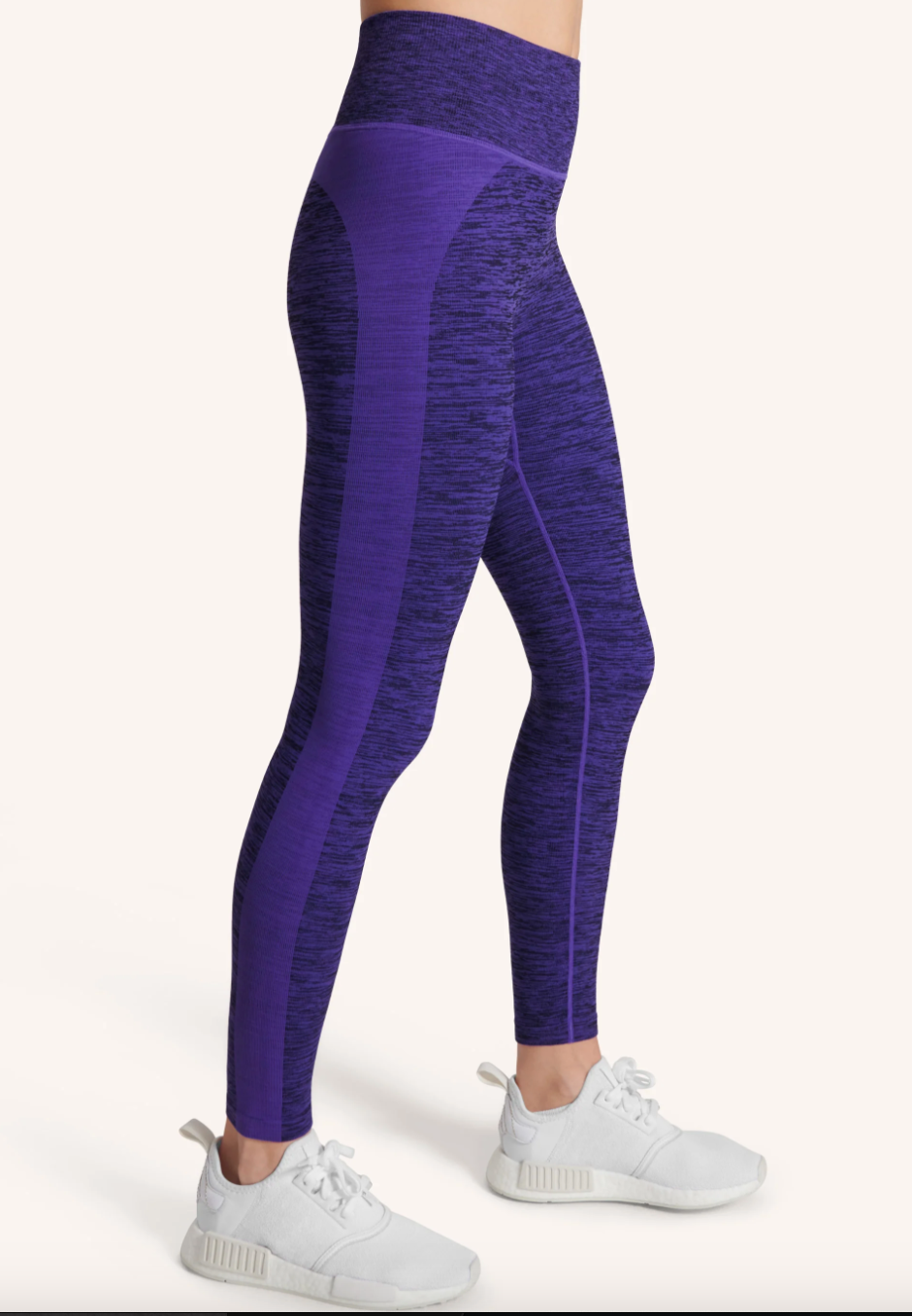
High Rise Seamless ⅞ Legging — $76.00
If you want to get matchy matchy with your workout wardrobe, pair the above sports bra with these matching purple leggings. The solid stripe down the leg shows the world you mean business, while the buttery smooth, flexible fabric keeps you comfy, whether you’re stretched out in yoga class or on your couch.
Shop Now
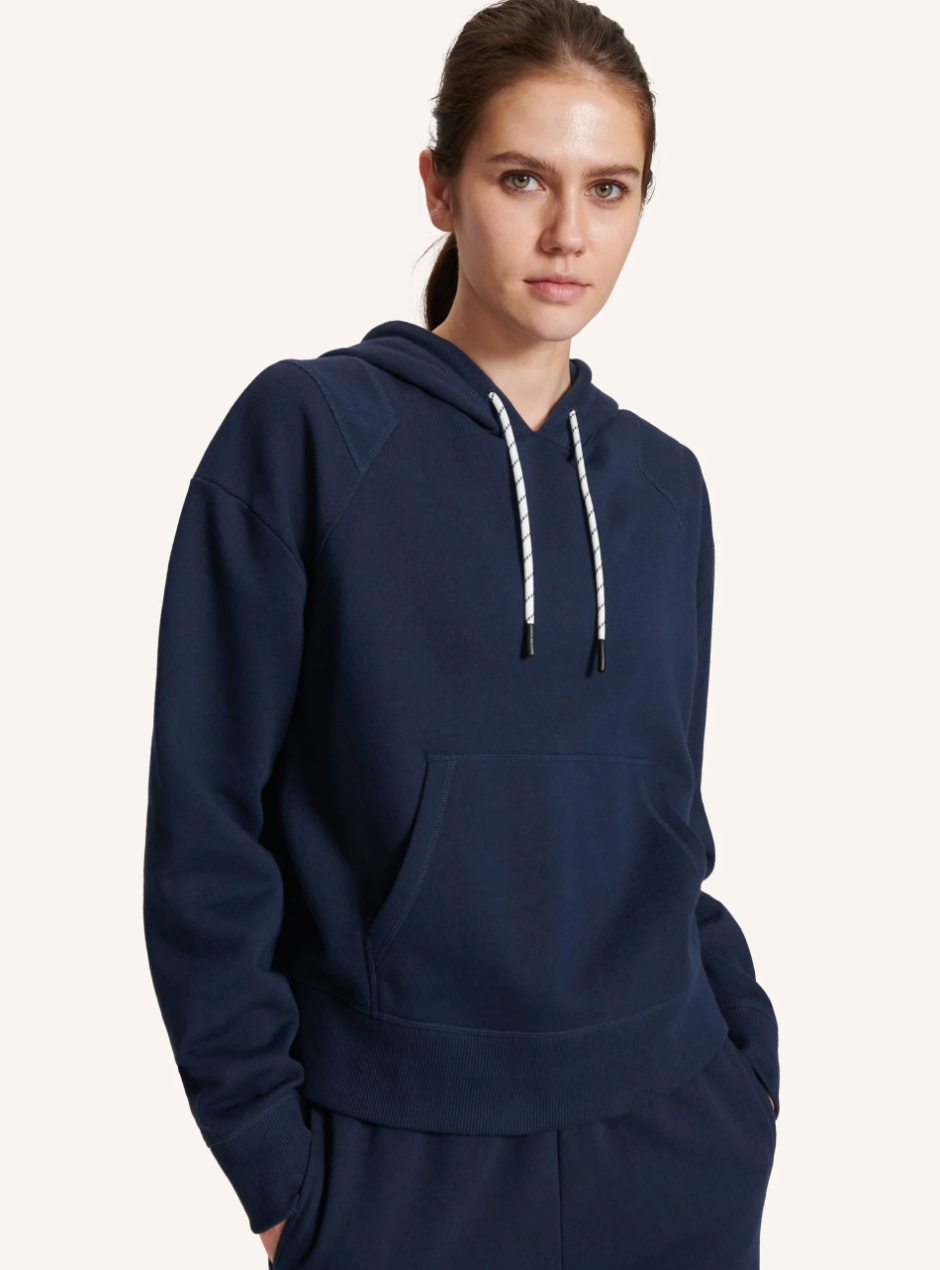
Rib Insert Pullover Hoodie — $98.00
Go navy blue for when you want some business-meets-cozy, work-from-home vibes. This classic hoodie is made from French cotton terry that’s perfect for all seasons and looks as chic as it is snuggly. Expect everything you want out of a timeless hoodie, including a kangaroo pouch and drawstring hood. Only this one has a back-rib insert detailing in a v-shape that give it some edge from all the other sweatshirts in your closet.
Shop Now
Classic Sweatpant — $76.00
Love pairs the above hoodie with a preppy button-down and the matching sweatpants for a polished, scholastic look. But the good news is, you don’t have to dress them up; they go just as well with workout tops, sports bras, camisoles, and more. Just like Love suggests, wear whatever feels good to you and matches your mood.
Shop Now

The Ultimate Guide to Nutritious Dinners: Discover the Healthiest Types of Meals for a Balanced Diet
…
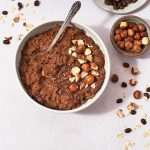
Revitalize Your Morning with Protein-Packed Hazelnut Latte Oatmeal
If you’re looking to level up your oatmeal game in terms of nutrition and flavor, then this High-Protein Hazelnut Latte Oatmeal recipe has what you’re looking for.
A scoop of rich Café Latte Shakeology adds a protein boost and a touch of hazelnut extract pumps up the flavor.
This high-protein oatmeal is super easy to make: Cook your oatmeal like you normally would, then just add almost milk, Shakeology, extract and mix. No muss, no fuss — just pure deliciousness in a bowl.
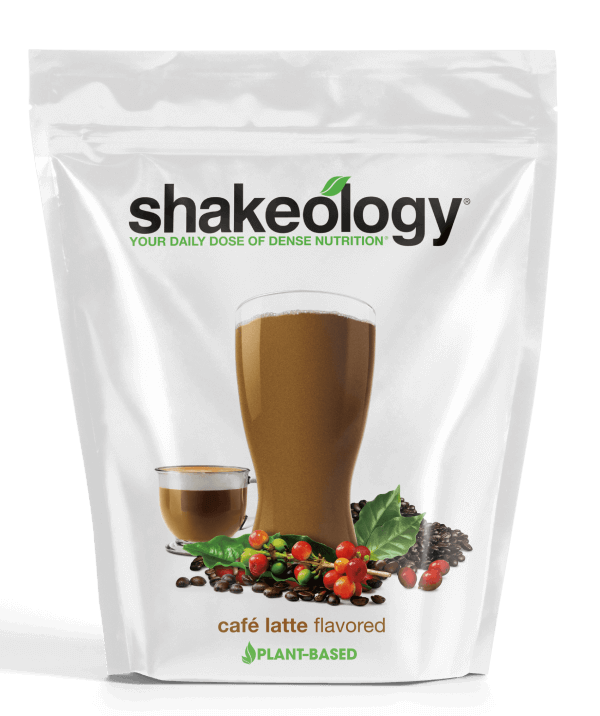
Café Latte Shakeology
Flavored with the rich, creamy taste of coffee, your morning pick-me-up is now a superfood dessert.
Shop Now
Print High-Protein Hazelnut Latte Oatmeal
Level up your oatmeal game with nutrition and flavor with High-Protein Hazelnut Latte Oatmeal made with Cafe Latte Shakeology.
Course Breakfast, Dessert, Snack
Keyword Cafe Latte Shakeology
Prep Time 6 minutes
Cook Time 4 minutes
Total Time 10 minutes
Servings 1 serving
Calories 395kcal
Ingredients
- 1¼ cups / 300 ml water
- ½ cup / 40 g dry rolled oats
- ½ cup / 120 ml unsweetened almond milk
- 1 scoop Café Latte Shakeology
- ½ tsp. pure hazelnut (or vanilla) extract
- 6 unsalted hazelnuts, chopped
Instructions
-
Bring water to a boil in a medium saucepan over medium-high heat.
-
Add oats; mix well. Reduce heat to low. Gently boil, stirring occasionally, for 5 minutes, or until thick and soft.
-
Add almond milk, Shakeology, and extract; stir until combined.
-
Transfer to a serving bowl. Top with hazelnuts. Enjoy!
Notes
Fantastic Fiber (F), Gluten Free (GF), No Dairy (ND), Protein Power (P), Quick ‘n’ Easy (QE), Vegan (V), Vegetarian (VG) The Nutrition Facts box below provides estimated nutritional information for this recipe.** Total Sugar 9 g, Added Sugar 6 g
Nutrition
Serving: 1serving | Calories: 395kcal | Carbohydrates: 48g | Protein: 24g | Fat: 12g | Saturated Fat: 1g | Cholesterol: 10mg | Sodium: 295mg | Fiber: 11g | Sugar: 9g
Container Equivalents (Regular)
1 Red
2 Yellow
½ Blue
½ tsp.
Container Equivalents (Vegan)
1 Red
2 Yellow A
½ Blue
½ tsp.
2B Mindset Plate It!This recipe makes a great breakfast.
The post High-Protein Hazelnut Latte Oatmeal appeared first on BODi.



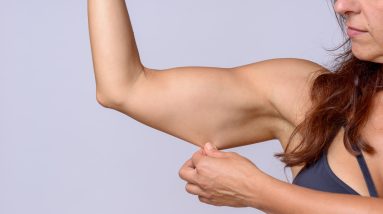
Common Occurrence: Loose Skin After Weight Loss – What You Need to Know
Is It Common To Have Loose Skin After Weight Loss? Blog – HealthifyMe Blog – HealthifyMe – The definitive guide to weight loss, fitness and living a healthier life.
Weight loss can be demanding. It requires determination, dedication, sweat, and self-control. While you might think the struggle ends there, some people have to also experience sagging of their skin after a drastic weight loss. This is more common than we think, yet there is very limited information about this. This happens because, when a person gains weight, the skin stretches to accommodate the increased volume. However, when the weight is lost rapidly or in large amounts, the skin may not have enough time or natural elasticity to contract and conform to the body’s new shape.
Loose skin can inflict an individual’s body image issues, lower self-confidence, and overall satisfaction with weight loss achievements. But, tightening loose skin after weight loss is essential not only to look good but also to improve comfort and mobility. This article will explore the questions regarding factors that contribute to loose skin after weight loss and also provide you with tips on how to tighten it.
Factors Responsible for Having Loose Skin After Weight Loss
Yes, it is absolutely normal that you have loose skin after you went through diet and exercise or even bariatric surgery. However, several factors may be responsible for you to have so. These can be age, genetics, sun damage, the duration of obesity, or even a combination of all. So, let us know how it affects your skin elasticity.
1. Age: Studies show that, as you age, your skin loses its ability to maintain elasticity and is unable to bounce back to its previous state after a significant weight loss. So, elderly people are more susceptible to having loose skin after they have reduced significant weight.
2. Genetics: Genetics has always played a major role in a number of aspects of our life. Another aspect would be in determining an individual’s skin elasticity and their predisposition to developing loose skin. Here is a study that reflects the same.
3. Duration of obesity: The longer the skin remains stretched, the more it loses its natural elasticity. As a result, when weight loss occurs, the skin may struggle to contract and conform to the reduced body size, leading to loose or sagging skin. Studies have confirmed that prolonged obesity can damage the skin’s elastic fibre because of the lower density and thickness of collagen fibres.
4. Rapid weight loss: The skin is a dynamic organ that can stretch and contract to accommodate changes in body size. However, when weight loss occurs rapidly, the skin may not have enough time to gradually adjust and conform to the new body contours. This can result in loose or sagging skin.
5. Sun damage: We already have plenty of evidence to prove that direct exposure to the ultraviolet rays of the sun can cause severe damage to physical health. It is now evident that excessive exposure to the sun’s harmful rays can also degrade collagen and elastin, which are crucial for maintaining skin elasticity.
6. Poor nutrition and hydration: Several clinical studies have established that inadequate intake of essential nutrients and proper hydration can impact normal skin physiology. Certain nutrients may have benefits to reverse loose skin, including anti-aging and anti-sagging effects are Vitamin C, omega 3 fatty acids and other antioxidants. Thus, a deficiency can cause the skin’s elasticity and overall health.
7. Smoking: Smoking cigarettes exposes the body to numerous harmful chemicals, including nicotine and carbon monoxide. These substances can constrict blood vessels and decrease blood flow to the skin. Studies have proved that this reduced blood flow can impair the delivery of oxygen and essential nutrients to the skin, including collagen and elastin fibres.
Summary
Loose skin after weight loss is influenced by several factors, including age, genetics, duration of obesity, rapid weight loss, sun damage, poor nutrition, hydration, and smoking. Gradual weight loss, a balanced diet, staying hydrated, and incorporating strength training exercises can help minimise the risk of loose skin. In some cases, surgical procedures such as body contouring or skin removal surgeries may be considered to address significant loose skin.
How to Tighten Loose Skin After Weight Loss?
Here are some of the options that can help you achieve tight skin after weight loss.
1. Practicing Strength Training
Regular strength training is important to build stamina and boost core strength and muscles. It is evident that incorporating resistance training into your fitness routine can help you build muscles, which can pack the stretched skin and lower the impression of sagging skin. Specific exercises can target problem areas such as the arms, thighs, and abdomen, focusing on toning and strengthening those regions.
2. Relying on a Healthy Diet and Hydration
Diet plays a crucial role in weight loss and management. It also supports in building skin elasticity and collagen production. Consuming fresh nutritious food rich in collagen-boosting nutrients, like vitamin C, zinc, omega 3 fats, and protein, can promote skin health and elasticity. Add fruits, vegetables, lean meats, seafood, nuts, and seeds to your diet. Along with diet, it is equally important to maintain proper hydration which helps maintain skin elasticity and plumpness.
3. Non-surgical Therapies
In cases where loose skin persists despite lifestyle changes, non-surgical options may be considered. Body-contouring procedures such as radiofrequency or ultrasound therapy can help tighten the skin by stimulating collagen production and promoting tissue tightening. Dermatological treatments like laser therapy or microneedling can also improve skin elasticity and texture by stimulating collagen remodelling and promoting skin rejuvenation.
Summary
Tightening loose skin takes time, and it is important to have realistic expectations. The skin’s natural ability to contract and tighten varies among individuals. Consistency in following a healthy lifestyle, including exercise, proper nutrition, skincare, and hydration, is key. It may take several months to see noticeable improvements in skin tightness, and complete tightening may not be possible in all cases. Patience, persistence, and embracing a positive body image are essential during the process of skin tightening after weight loss.
Is It Possible to Naturally Reverse Loose Skin After Weight Loss?
It is definitely challenging to bring back the same elasticity to your skin. However, there are a few everyday lifestyle changes that will help you improve skin tightness and overall appearance. Here are some natural methods that may help:
- Use Sunscreen: Sun damage accelerates skin ageing and contributes to the breakdown of collagen and elastin fibres. So, using sunscreen with high SPF can protect you from UVA and UVB rays. Remember to wear it on a daily basis.
- Quit Smoking: This might be another struggle that you have to undergo to improve your skin. By quitting, you can enhance blood flow, thus allowing the skin to receive essential nutrients and oxygen while lowering the harmful effects of smoking on collagen and elastin fibres.
- Use Supplements: Adding supplements to your diet is always a good idea in order to support skin health and promote elasticity. Consuming supplements containing vitamins A and E, antioxidants, zinc, and selenium can support skin health and protect against free radical damage.
- Stress Management: Stress creates havoc on your mental and physical health. Adequate sleep is said to have heaps of health benefits, one such thing is that it helps in cell turnover and may help firm loose skin. Since stress plays a major role in regulating the circadian rhythm of a body, it is important to adapt stress management techniques, such as exercise, meditation, or relaxation techniques, to help minimise the negative impact of stress hormones on the skin.
Summary
Using sunscreen, supplements containing vitamins A and E, antioxidants, zinc, and selenium and quitting smoking can support skin health. Also, it is important to manage stress and work towards quality sleep. These everyday changes contribute to enhancing skin elasticity and overall skin health.
HealthifyMe Suggestion
Pile up your plate with a rainbow of colourful fruits and vegetables, which contain nutrients vital to skin health. Green leafy veggies and citrus fruits boast plenty of vitamin C, which helps build collagen and promote good skin. Lycopene is a carotenoid that is found in bright red fruits and veggies like tomatoes, watermelon, papaya, red peppers. A diet high in lycopene can help in rejuvenating skin health and prevent ageing.
Conclusion
So, to answer the question, yes it is common to have loose skin after weight loss. But, the key strategies for tightening loose skin after weight loss include regular strength training exercises to build muscle, maintaining a healthy diet and hydration, using skincare products with collagen-boosting ingredients, considering non-surgical options like body-contouring procedures, and adopting a healthy lifestyle with sun protection and stress management techniques.
If you feel the need of medical intervention, feel free to talk to a medical professional for personalised advice. However, it is pivotal to celebrate and embrace one’s body and the achievements of weight loss. While loose skin may be a cosmetic concern, it should not overshadow the incredible accomplishment of losing weight and improving overall health.
Disclaimer: The purpose of this article is just to disperse knowledge and raise awareness. It does not intend to replace medical advice from professionals. For further information please contact our certified nutritionists Here
Frequently Asked Questions (FAQs) Q. How can I naturally tighten loose skin after weight loss?
Natural methods include strength training exercises, maintaining a healthy diet and hydration, using collagen-boosting skincare products, considering non-surgical options like body-contouring procedures, and adopting a healthy lifestyle with sun protection and stress management techniques.
Q. Can exercises help tighten loose skin after weight loss?
Yes, regular strength training exercises can help build muscle mass, which fills out loose skin and provides more support. Targeted exercises for specific problem areas can help tighten and strengthen those areas.
Q. How long does it take for loose skin to tighten after weight loss?
The timeline varies for each individual, depending on factors such as age, genetics, and the amount of weight lost. It can take several months to years for the skin to naturally tighten. Consistency with lifestyle changes is key.
Q. Can supplements help tighten loose skin after weight loss?
Some supplements, like those containing vitamins A and E, antioxidants, zinc, and selenium, can support overall skin health and promote elasticity. However, they should be used in conjunction with a healthy diet and lifestyle.
Q. Can age affect the skin’s ability to tighten after weight loss?
Yes, as individuals age, their skin naturally loses elasticity, making it more difficult for the skin to bounce back after weight loss. However, adopting a healthy lifestyle and following the strategies mentioned earlier can still help improve skin tightness.
Reference Sources
- Influence of age and regional differences on skin elasticity as measured by the Cutometer
https://pubmed.ncbi.nlm.nih.gov/19159383/ - Image Analyzer Study of the Skin in Patients With Morbid Obesity and Massive Weight Loss
https://www.ncbi.nlm.nih.gov/pmc/articles/PMC4311578/ - Biomechanical properties of skin in massive weight loss patients
https://pubmed.ncbi.nlm.nih.gov/20401759/ - Cigarettes Smoking and Skin: A Comparison Study of the Biophysical Properties of Skin in Smokers and Non-Smokers
https://www.ncbi.nlm.nih.gov/pmc/articles/PMC7230126/ - Natural and Sun-Induced Aging of Human Skin
https://www.ncbi.nlm.nih.gov/pmc/articles/PMC4292080/ - Genetic polymorphisms and skin aging: the identification of population genotypic groups holds potential for personalized treatments
https://www.ncbi.nlm.nih.gov/pmc/articles/PMC4085290/
The post Is It Common To Have Loose Skin After Weight Loss? appeared first on Blog – HealthifyMe.


Achieving Weight Loss Goals: Overcoming Obstacles, Boosting Motivation, and Effective Strategies
Weight Loss Motivation: Supporting Factors, Barriers and Strategies To Succeed Blog – HealthifyMe Blog – HealthifyMe – The definitive guide to weight loss, fitness and living a healthier life.
In today’s world, weight loss has become a common goal for many people seeking to improve their health and overall well-being. However, embarking on a weight loss journey can be challenging, requiring determination, perseverance, and most importantly, motivation. Weight loss motivation serves as the driving force behind our efforts, helping us stay committed to our goals and overcome obstacles along the way.
In this article, we will explore the importance of weight loss motivation and dig into strategies to boost and sustain it. We will examine the factors that contribute to weight loss motivation, common barriers that may hinder progress, and practical techniques to maintain motivation through the weight loss journey.
Factors That Contribute To Weight Loss Motivation 1. Personal Goals and Desires
One of the determining factors that contribute to weight loss motivation is personal goals and desires. Personal goals provide a sense of purpose and direction, driving individuals to take action and make positive changes in their lifestyles.
2. Health Concerns
Health concerns and risks associated with excess weight or obesity can be a significant motivator for weight loss. Research indicates that conditions such as heart disease, diabetes, high blood pressure, and joint problems are commonly linked to being overweight. Understanding the potential health risks and the desire for better overall well-being can serve as powerful incentives for individuals to adopt healthier habits and strive for weight loss.
3. Social Influences
Social influences from family and friends can play a role in weight loss motivation. The desire to meet expectations from loved ones can motivate individuals to pursue weight loss. Additionally, having a support system or participating in weight loss communities can provide accountability and encouragement, further enhancing motivation.
4. Emotional Well-being
Research shows a close link between weight loss and the state of emotional well-being, with the two having a directly proportional relationship. Thus, many individuals seek weight loss as a means to improve their mental and emotional health. Addressing emotional eating patterns, building self-confidence, and enhancing self-esteem are common drivers for weight loss motivation. The desire to feel happier, more balanced, and at peace with oneself can serve as a strong motivator throughout the journey.
Summary
Weight loss motivation is influenced by personal goals and desires, such as wanting to improve confidence, and physical fitness, or achieve a specific weight. Health concerns and risks associated with excess weight, such as heart disease and diabetes, serve as powerful motivators. Emotional well-being plays a significant role as individuals seek weight loss to improve mental and emotional health, address emotional eating patterns, and boost self-confidence and self-esteem.
Common Barriers To Weight Loss Motivation 1. Lack of Self-discipline
According to studies, one of the most common barriers to weight loss motivation is the lack of self-discipline and willpower. Maintaining a healthy diet, sticking to an exercise routine, and making consistent lifestyle changes can be challenging. Without a strong sense of discipline and willpower, individuals may struggle to stay motivated and easily succumb to unhealthy habits or temptations.
2. Unrealistic Expectations
Unrealistic expectations can also hinder motivation for weight loss. Setting overly ambitious or unattainable goals can lead to frustration and disappointment. When progress doesn’t match expectations, individuals are likely to lose motivation and give up altogether. Studies suggest that it is important to set realistic and achievable goals that take into account individual circumstances and capabilities.
3. Negative Self-talk and Self-image
Research proves that negative self-talk and a poor self-image can significantly impact weight loss motivation. Negative thoughts and beliefs about oneself, such as feeling unworthy or incapable of achieving success, can undermine motivation. It is crucial to cultivate a positive mindset and practice self-compassion, focusing on progress rather than perfection.
4. Lack of Social Support
The absence of social support can be a significant barrier to weight loss motivation. Surrounding oneself with individuals who do not understand or support the weight loss journey can make it challenging to stay motivated.
Summary
By recognizing the common barriers to weight loss motivation, individuals can develop strategies to overcome them. Building self-discipline and willpower through habit formation, setting realistic goals, cultivating positive self-talk, and seeking out social support are all effective ways to break through these barriers and maintain motivation on the weight loss journey.
Strategies to Boost Weight Loss Motivation 1. Identify Personal Reasons to Lose Weight
Understanding personal motivations for weight loss is essential. Identifying specific reasons, such as improving overall health, increasing energy levels, or setting a positive example for loved ones, can provide strong intrinsic motivation that fuels long-term commitment. Recognising improved well-being, increased self-confidence, a better quality of life, and enhanced mental and emotional health are some of the commonly known motivators.
2. Set SMART Goals
Setting Specific, Measurable, Achievable, Relevant, and Time-bound (SMART) goals. SMART goals are specific, clearly defined, measurable, attainable, relevant to one’s overall objectives, and time-bound. This approach helps individuals establish a clear roadmap and track their progress effectively.
Breaking down larger weight loss goals into smaller, more manageable milestones can enhance motivation. By focusing on achievable targets along the way, individuals can experience a sense of accomplishment, boosting their motivation to continue their weight loss journey.
3. Build a Network of Like-minded People
Surrounding oneself with like-minded individuals who are also committed to weight loss can provide support and motivation. Joining weight loss groups, online communities, or finding workout buddies can create a positive environment that fosters motivation.
Furthermore, involving family and friends in the weight loss journey can contribute to motivation. Sharing goals and progress with loved ones can provide encouragement, accountability, and understanding during challenging times.
4. Tracking Your Progress
Utilising technology, such as fitness trackers or mobile apps, can assist in monitoring progress. These tools provide real-time data, reminders, and even social support, reinforcing motivation and helping individuals stay on track. You can also use the HealthifyMe app to keep a tab on your overall progress and help yourself stay focussed.
Alternatively, keeping a journal to track food intake, exercise routines, and progress can provide valuable insights and help you stay accountable. Reviewing achievements and recognizing areas for improvement can reinforce motivation and enhance self-awareness.
5. Reward Yourself
Celebrating milestones along the weight loss journey is crucial for maintaining motivation. Setting up small rewards, such as treating oneself to a favourite activity or purchasing a new workout outfit, can provide a sense of accomplishment and further fuel motivation.
Summary
To boost weight loss motivation set realistic goals using the SMART framework and break them into smaller milestones. Find intrinsic motivation by identifying personal reasons for weight loss and focusing on broader benefits. Create a supportive environment with like-minded individuals, family support, and positive influences. Track progress and celebrate milestones through journals, technology, and rewards. These strategies help maintain motivation and achieve long-term weight loss success.
HealthifyMe Suggestion
We all know it’s very important to be positive and motivated for mental well-being. One day I found that my glucose levels were high, and I was shaken, thinking of further health issues. Being stressed, I started figuring out where I should start. I kept my target and started working on it. There were many ups and downs, but with future health consequences in mind, I started with exercise, keeping my food on track, my water intake, and my sleep. Slowly, I started enjoying my route. My glucose levels are now controlled, and other blood parameters are as well.
Conclusion
In conclusion, weight loss motivation is a powerful driving force that fuels individuals on their journey towards achieving their weight loss goals. Factors such as personal goals, health concerns, social pressures, and emotional well-being all contribute to the level of motivation one experiences. By setting realistic goals, finding intrinsic motivation, creating a supportive environment, and tracking progress, individuals can sustain their motivation and overcome barriers that may arise.
It is important to remember that weight loss is a personal and unique journey, and maintaining a positive mindset and self-care is vital. With dedication, perseverance, and strong motivation, individuals can embark on a successful weight loss journey and experience the transformative benefits it brings to their overall health and well-being.
Disclaimer: The purpose of this article is just to disperse knowledge and raise awareness. It does not intend to replace medical advice from professionals. For further information please contact our certified nutritionists Here
Frequently Asked Questions (FAQs) Q. How do I get motivated to lose weight?
To get motivated to lose weight set specific goals, find your intrinsic motivation by identifying personal reasons for wanting to lose weight, visualize your success, surround yourself with supportive people, and track your progress while celebrating small achievements.
Q. Why am I so unmotivated to lose weight?
Feeling unmotivated to lose weight can be influenced by unclear goals, past failures, negative self-talk, lack of support, and unrealistic expectations. Identifying and addressing these factors, seeking support, and focusing on the positive aspects of your weight loss journey can help rekindle motivation.
Q. How can I lose weight mentally?
To lose weight mentally, cultivate a positive mindset, practice self-compassion, address emotional triggers related to food, practice mindful eating, manage stress effectively, and prioritize overall well-being rather than solely focusing on the number on the scale.
Q. How do I motivate myself to stop eating?
Motivate yourself to stop eating by identifying emotional triggers for overeating, finding alternative coping mechanisms, planning and preparing healthy meals in advance, practising portion control and mindful eating, engaging in distracting activities, and seeking support from friends or professionals when needed.
Q. How can I train my brain to lose weight?
Train your brain to lose weight by challenging negative thoughts and beliefs about weight loss, using positive affirmations and visualization techniques, surrounding yourself with positive influences and supportive individuals, focusing on the process rather than just the end result, and practising consistency and repetition in establishing healthy habits.
Reference Links
- Health Effects of Overweight and Obesity: https://www.cdc.gov/healthyweight/effects/index.html
- Weight Change, Psychological Well-Being, and Vitality in Adults Participating in a Cognitive-Behavioral Weight Loss Program: https://www.ncbi.nlm.nih.gov/pmc/articles/PMC4733266/
- Perceived Barriers to Weight loss Programs for Overweight or Obese Women: https://www.ncbi.nlm.nih.gov/pmc/articles/PMC3963684/
- Why setting goals makes weight loss more effective: https://www.manual.co/health-centre/weight-loss/why-setting-goals-makes-weight-loss-more-effective
- The Impact of Self-Criticism and Self-Reassurance on Weight-Related Effect and Well-Being in Participants of a Commercial Weight Management Programme: https://www.ncbi.nlm.nih.gov/pmc/articles/PMC5644966/
The post Weight Loss Motivation: Supporting Factors, Barriers and Strategies To Succeed appeared first on Blog – HealthifyMe.