



Discover How Vaping Can Be Your Ultimate Post-Workout Relaxation Hack
There’s no denying that regular workout is important for maintaining a healthy and balanced lifestyle. After all, it strengthens your body, boosts your energy levels, and contributes to overall well-being.
However, equally important is unwinding and relaxing after an intense gym session. During this recovery period, your muscles repair, and your mind finds solace.
While traditional methods like stretching and meditation are the recommended ways to unwind, recently, some gymgoers have turned to vaping for the same purpose. It offers them a simple and enjoyable way to wind down, especially after a high-intensity workout.
Do you want to know how? If yes, keep reading!
Promoting Relaxation
After an intense workout, your body releases endorphins. It leaves you feeling exhilarated and full of energy. However, due to such high energy levels, relaxing sometimes becomes challenging. Vaping can help bridge this gap, providing a calming effect that allows you to unwind without feeling overwhelmed.
Put simply, during vaping, you inhale the vapors and release the smoke. It allows you to focus on your breath and release tension from your body. Plus, the flavors in the e-liquid also offer a pleasant sensory indulgence.
However, this effectiveness depends significantly on the cart pen you use. A high-quality pen from a reputed smoke shop will ensure you get a consistent and enjoyable experience. Are you still confused? If yes, visit KING’s Pipe | Best Online Head Shop | Bongs, Pipes, Rigs, and Vaporizers to get more information. Nevertheless, make sure to read the customer reviews before you get any product.
Alleviate Muscle Tension
It’s pretty common to feel tight and sore muscles due to physical exertion. Fortunately, vaping can help reduce muscle tension and promote relaxation.
Vaping generally uses a slow breathing technique that helps release built-up tension in your muscles. Moreover, some vape juices contain ingredients like CBD (cannabidiol), which have potential muscle-relaxing properties and anti-inflammatory properties. In short, easing muscle discomfort and stiffness.
However, it’s crucial to ensure that your CBD products are of high quality and sourced from reputable manufacturers. This way, you can be confident that you are getting the full potential benefits of CBD for effective muscle tension relief.
Distraction from Exercise Fatigue
Often times after a workout, people feel physically and mentally drained. Trying to vape can potentially act as a distraction, providing a moment of relaxation and enjoyment. It is because you shift your focus to inhaling the flavorful vapor, momentarily diverting your attention from any lingering exhaustion.
The sensory experience of various e-liquids flavors, such as fruity, dessert, or refreshing options, further makes the distraction even more enjoyable.
However, you must always consult a healthcare professional before adding vaping to your wellness routine. It is especially important if you have any existing health conditions or are taking medications.
To Sum It All Up
As you explore the potential of vaping as a post-gym relaxation, consult your healthcare professionals. Also, striking the perfect balance in your relaxation routine is important to ensure you feel relaxed and not overwhelmed. So, give it a try and see how it helps you!
The post How Can Vaping Help You Unwind After an Intense Gym Session? appeared first on GymGuider.com.
Delicious and Nutritious Summer Recipes to Stay Cool and Energized
Beat the heat on hot summer days with these cool, refreshing and totally healthy summer recipes that the whole family will love!
Thai Chicken Lettuce Wraps with Peanut-Ginger Sauce 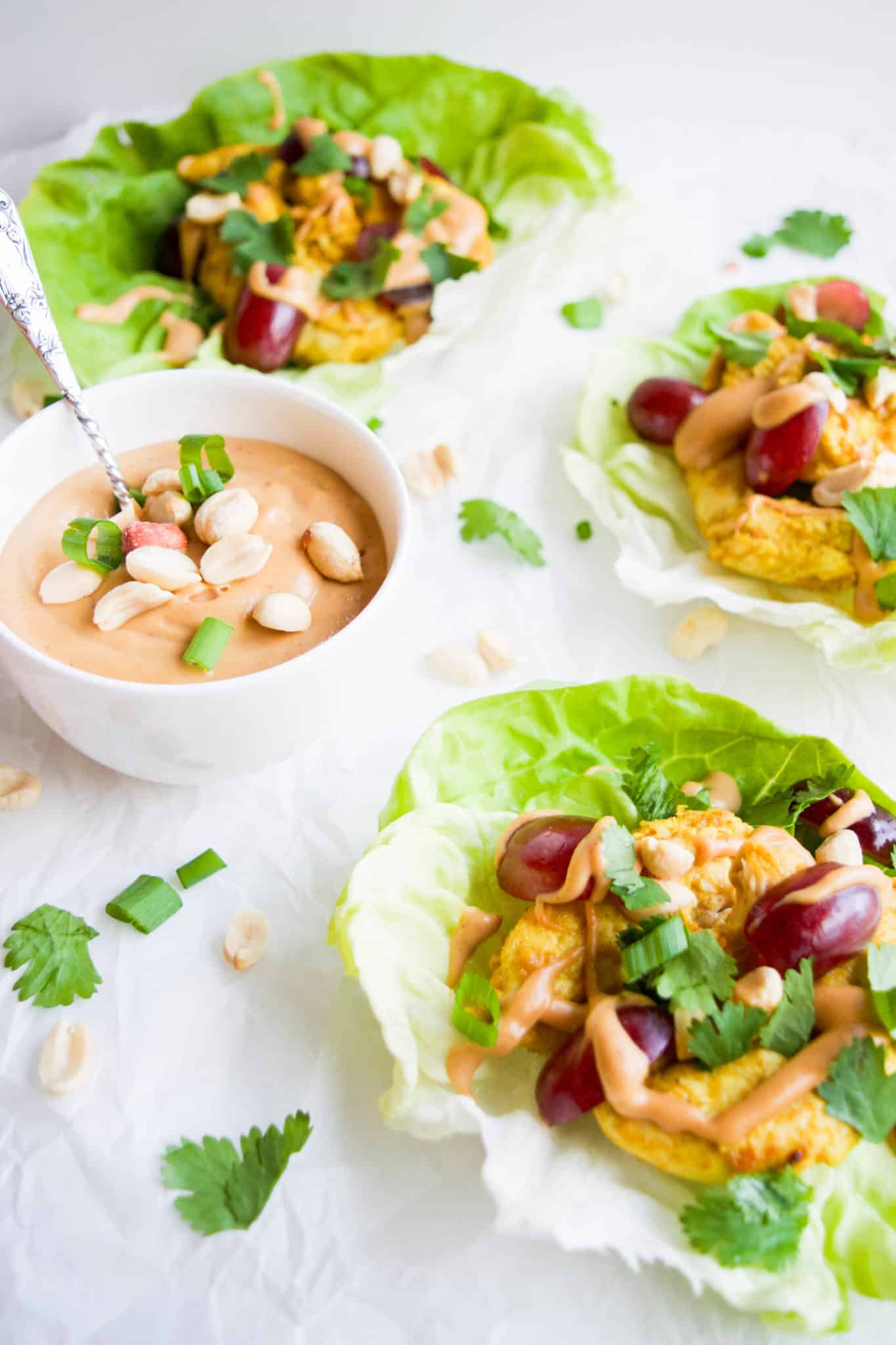
These Thai chicken lettuce wraps are sublime. Made with chicken strips marinated in yogurt and spices, plus a creamy, drool-worthy peanut ginger sauce, it’s the perfect crowd-pleasing recipe. Plus, the peanut-ginger dipping sauce goes great with vegetables, pita chips and more so be sure to keep any leftovers.
Get The Recipe For This Thai Chicken Lettuce Wraps with Peanut-Ginger Sauce
Grilled Peaches & Pineapple 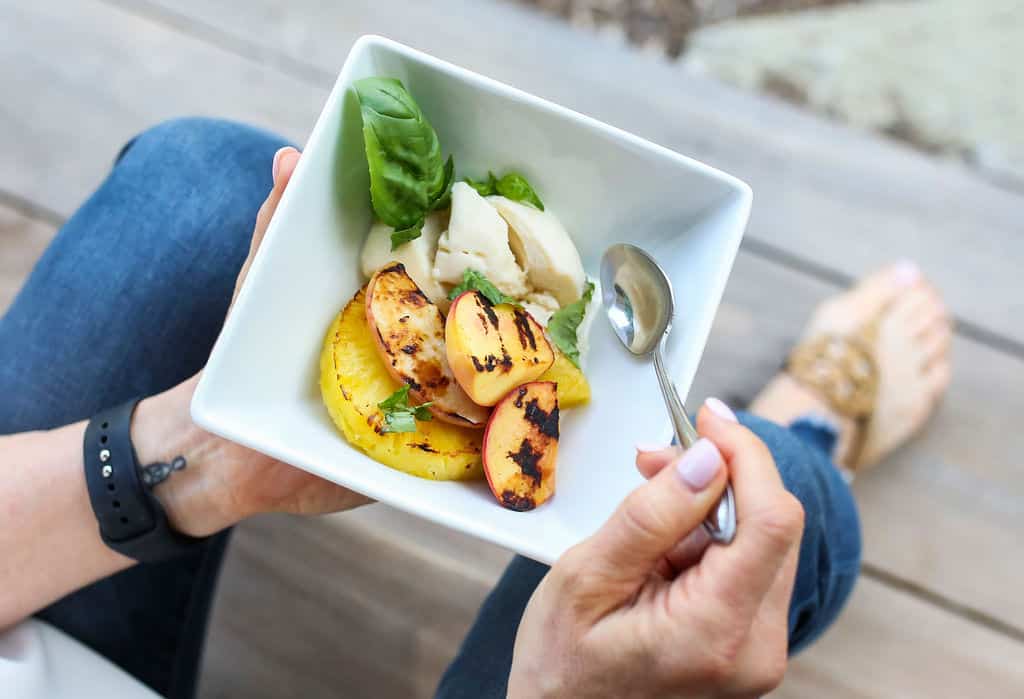 Photo Credit: Get Healthy U
There are not very many desserts that contain no added sugar, but this recipe for grilled peaches and pineapple contains just that; no added sugar needed! Cooking peaches and pineapple on the grill creates delicious caramelization on the fruit and makes for one beautiful dessert in just 10 minutes.
Eat them on their own or serve them up with some vanilla bean ice cream and fresh basil!
Get The Recipe and Tips For Grilled Peaches & Pineapple
Healthy Tuna Salad 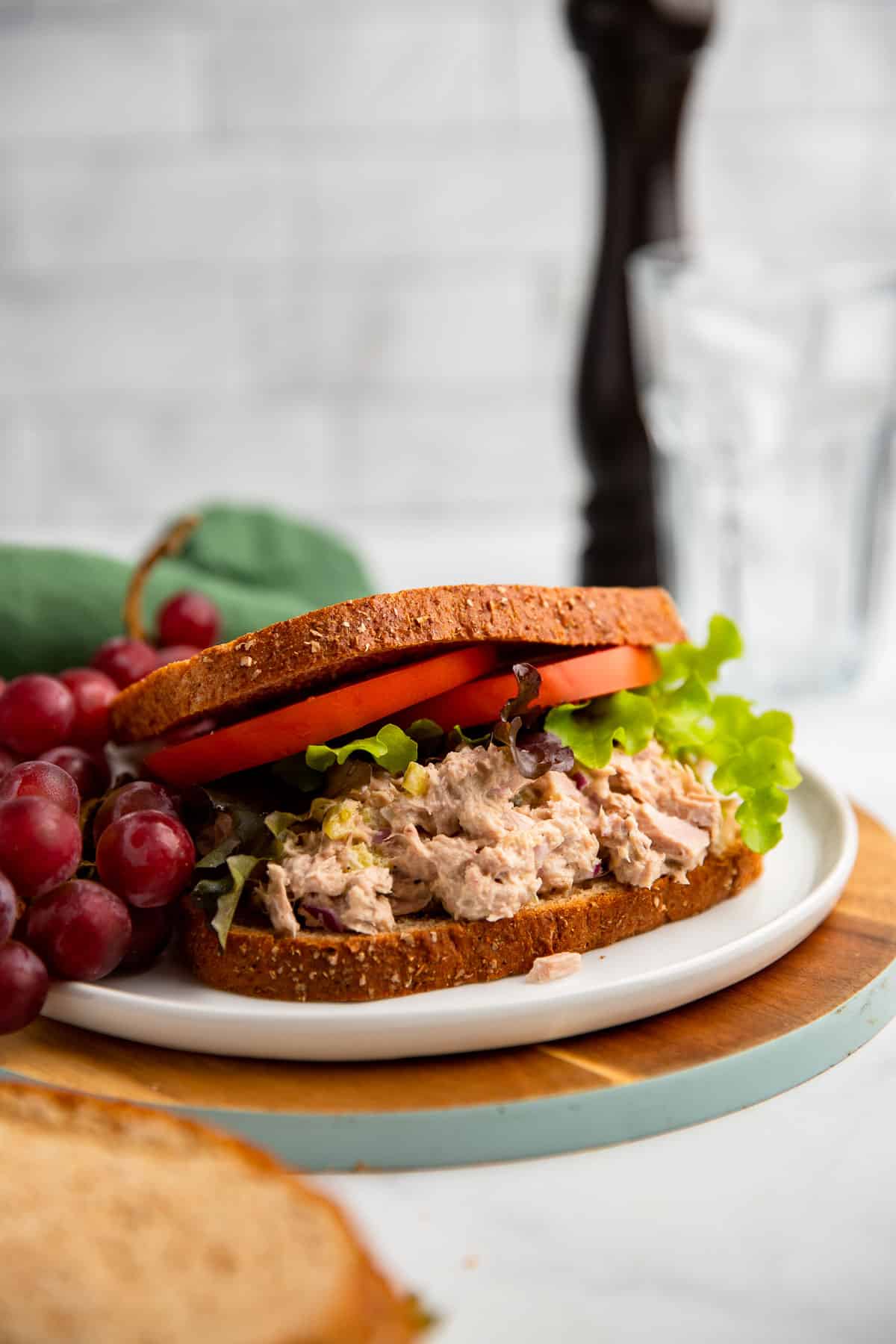 Photo Credit: Get Healthy U
When you need to get something healthy but filling on the table quickly for lunch, there’s nothing better than tuna salad sandwiches! This healthy tuna salad recipe made with yellowfin tuna can be mixed up in 5 minutes or less and layered between your favorite bread or rolled up into lettuce wraps.
Make This Healthy Tuna Salad Recipe
Beet Burgers with Chipotle Aioli 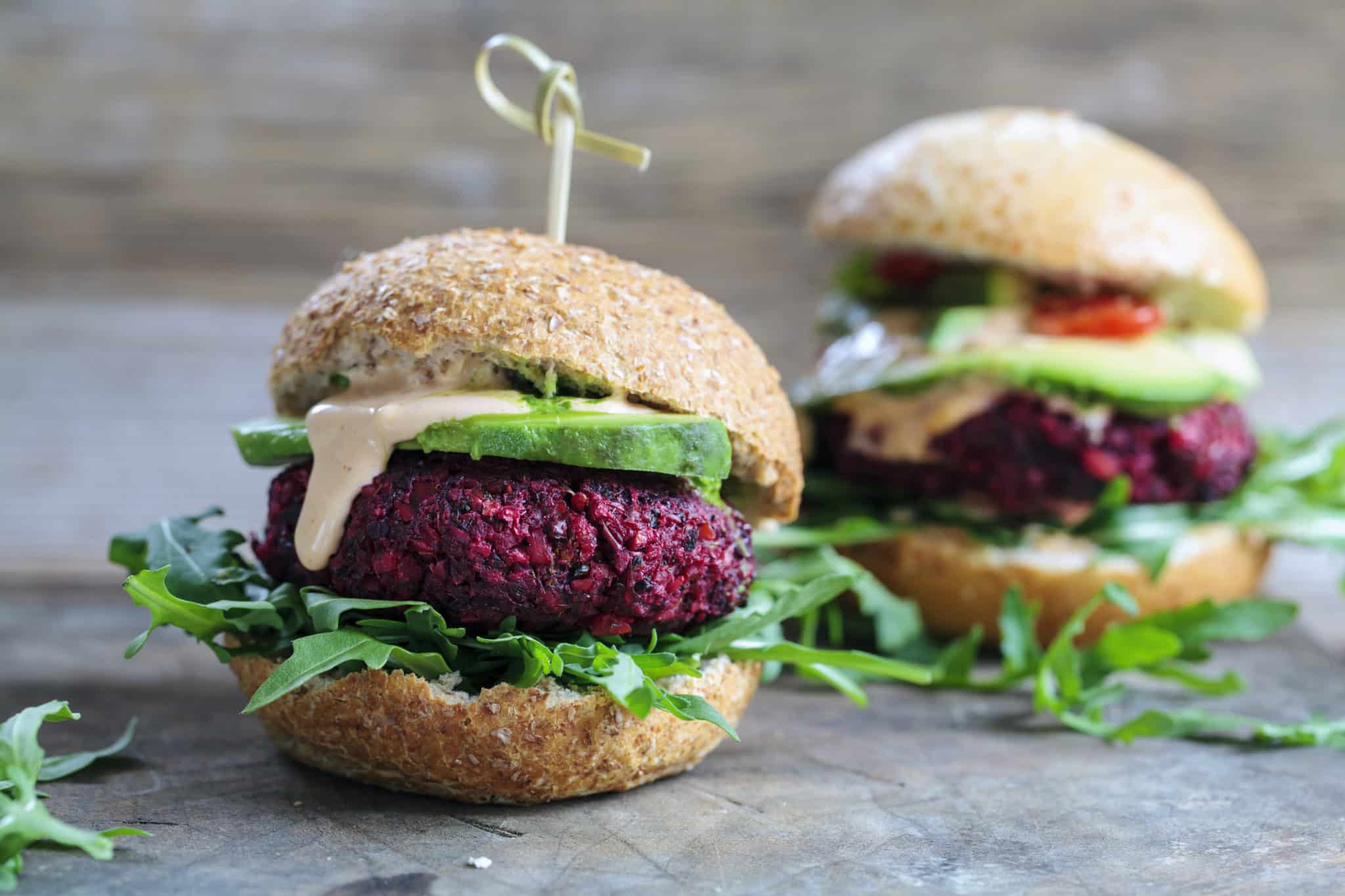 Photo Credit: Get healthy U
Beet burgers have become one of my favorite healthy obsessions. I consider myself to be a somewhat of an “expert” since I have tried and tasted so many. I mixed and matched several recipes and came up with this version that has a Mexican twist to it!
Filled with fresh tasty ingredients, this healthy burger has great texture and flavor. Sometimes, I double this recipe and keep the beet burgers in my freezer. They are easy to thaw and cook up for a quick meal later in the week!
Make This Beet Burgers with Chipotle Aioli Recipe
Kabobs On The Grill  Photo Credit: Get Healthy U
Kabobs are a summer staple and making them could not be easier!
The great thing about kabos on the grill is how versatile and customizable they are. Like chicken but not shrimp? Great. Love mushrooms but meh on zucchini? Easy peasy.
Kabobs are great for company too. Keep it easy, colorful, and delicious and get grilling today! And it never hurts to make extra for leftovers!!
Kabobs On The Grill (3 Easy Recipes)
Healthy Chipotle Chicken Burrito Bowl  Photo Credit: Get Healthy U
Skip the long lines at Chipotle and make this healthy chipotle chicken bowl recipe at home! It takes about 30 minutes to make a lower calorie bowl at home and you can fully customize it with all your favorite toppings.
Make This Healthy Chipotle Chicken Burrito Bowl Recipe
Lavender Lemonade  Photo Credit: Get Healthy U
There’s nothing more refreshing on a hot day than a glass of ice cold lemonade. We love making pitchers of this lavender lemonade recipe all summer; lemon and lavender make a delightful flavor pairing.
Make This Lavender Lemonade Recipe
Grilled Golden Beet Salad With Quinoa and Citrus Dressing 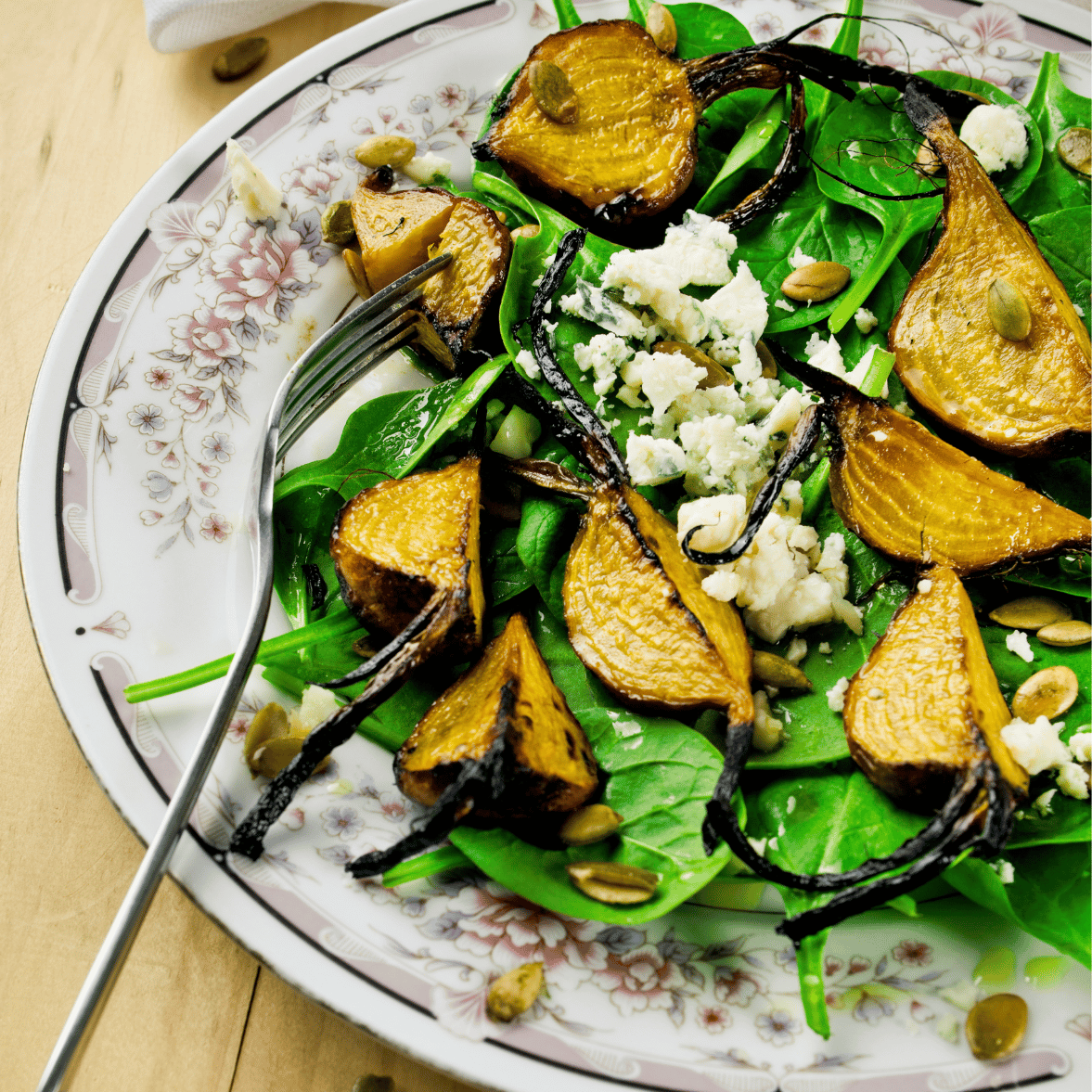 Photo Credit Shutterstock
This golden beet salad made with quinoa and a citrus dressing is so flavor-packed, nutritious, and beautiful to boot.
I absolutely love beets. They are one of my favorite foods, so when I spy the beautiful and less common golden beet at the farmer’s market or grocery store, I get really excited to make this salad.
I eat this golden beet salad as a weekday lunch, but it also makes for an impressive side dish when I’m hosting a group. I appreciate how easy it is to whip together and that I can make all the parts ahead of time if I want.
Get The Recipe For Grilled Golden Beet Salad With Quinoa and Citrus Dressing
Strawberry Mango White Wine Sangria  Photo Credit: Get Healthy U
As summer weather warms up, nothing is more refreshing than a cold glass of this easy white sangria! This delicious wine cocktail recipe for strawberry mango sangria is the perfect patio drink for a hot summer day.
It has everything you love about a classic white wine sangria recipe – fruit and wine – but with a strawberry, mango twist!
We love making up this white sangria recipe for any guests that stop by during your summer gatherings like backyard BBQ or evening picnics. Feel free to experiment with a variety of fruits as mentioned in the variations section below; there are so many delicious combinations.
Make This Strawberry Mango White Wine Sangria Recipe
Healthy Chicken Cobb Salad 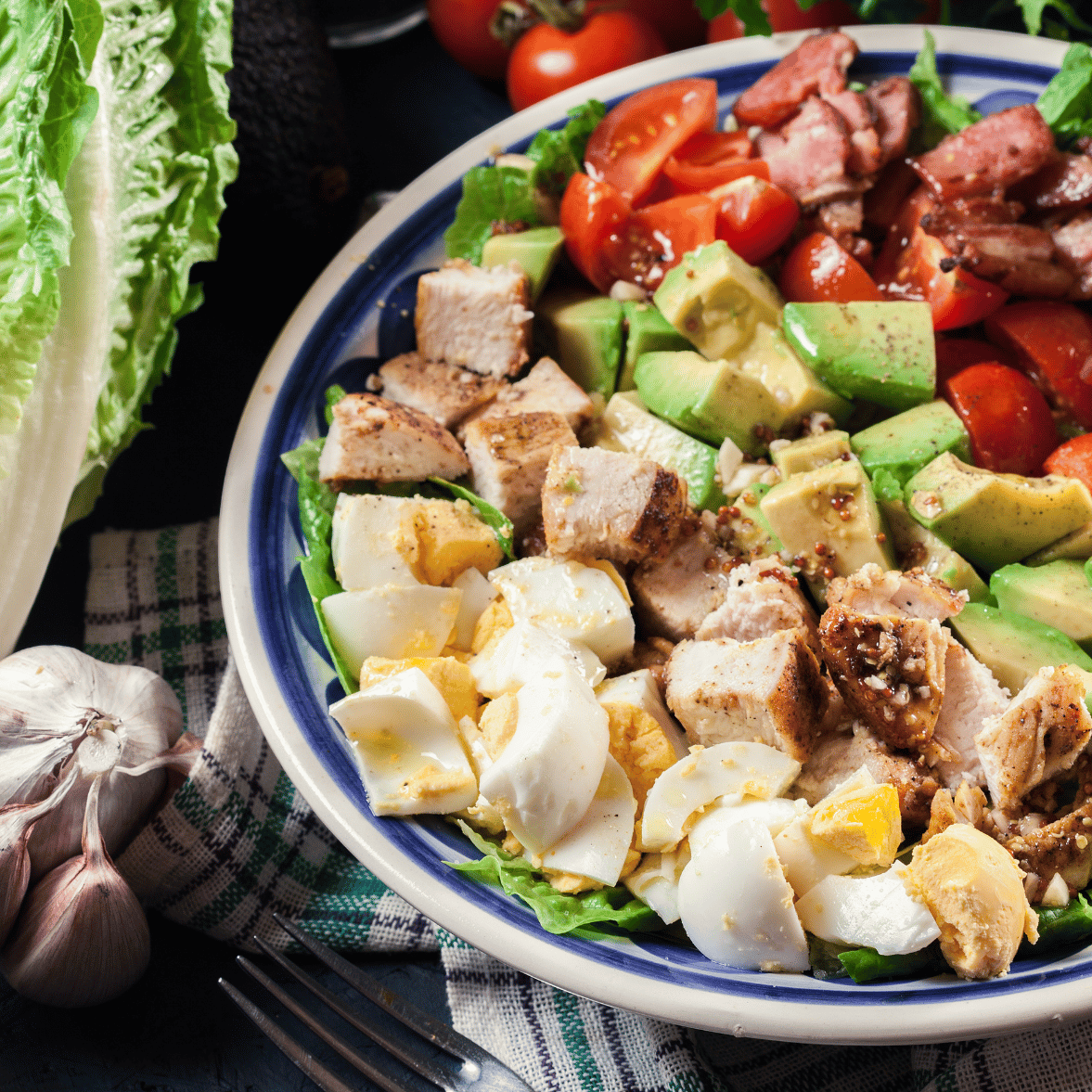 Photo Credit: Shutterstock
I love a good cobb salad. It’s always been one of my favorites when I go out to eat, but the truth is that a traditional cobb salad isn’t all that healthy. Most are filled with calories from the dressing they use or the extra serving of bacon. So this healthy cobb salad version is lighter and filled with fresh veggies! The edamame, avocado, and turkey bacon offer tons of protein, but you could always add grilled chicken on top as well.
This healthy Cobb Salad is the perfect light dinner or lunch. If you prepare the turkey bacon ahead of time, this recipe is a snap to assemble and looks fantastic.
Get The Recipe For This Healthy Chicken Cobb Salad
Trader Joe’s Curry Chicken Salad (Copycat Recipe)  Photo Credit: Get Healthy U
This crunchy Thai salad hits so many levels of goodness. It’s loaded with good-for-you ingredients, it tastes so crunchy and fresh, and it’s gluten-free and dairy-free making it super versatile for an array of people.
Make The Recipe For Crunchy Thai Chicken Quinoa Salad with Peanut Dressing (GF + DF)
14 Health Benefits of Cucumbers (And a Few Refreshing Recipes)  PHoto Credit: Depositphotos
From promoting healthy skin to improving your memory, check out the top 14 health benefits of cucumbers below. And if you’re lucky enough to have a load from your garden or farmers market on hand, you’ll definitely want to check out some of our favorite cucumber recipes too!
14 Health Benefits of Cucumbers (And a Few Refreshing Recipes)
Highest Rated Low-Calorie Smoothies  Photo Credit: Depositphotos
Whether as an on-the-go breakfast as you run to work in the morning, an energizing afternoon pick-me-up, or a refreshing beverage to cool down from a hot summer day, all are great reasons to whip up one of these highly rated smoothies!
Smoothies are naturally packed with many nutrients and it makes being able to consume multiple fruits and vegetables in one sitting a lot easier than if you have to chew each one. They are also a great source of fiber since you’re including whole fruits and/or vegetables
Highest Rated Low-Calorie Smoothies

Keep Your Fitness Game Strong While on Vacation with this Effective Band & Bodyweight Workout
Sometimes we get too comfortable with our regular gym routine, and that includes our gym. One of the biggest drawbacks of being away from your go-to gym is our dependency on more fancy equipment. You don’t have to worry about being creative because of your access to all the gym toys. However, the most significant advantages to being on the road is the opportunity to become innovative with what’s around you.
If you’re the type who likes to maintain their gains while away from the gym, The Fitness Maverick has got something special for you. Gareth Sapstead, MSc C.S.C.S. physique strength coach, provides an upper- and lower-body strength workout you can do anywhere, specifically for physique development and lean muscle gain.
All you’ll need is a resistance band—and you—to complete this band and bodyweight workout.
How to Do the Band & Bodyweight Workout
Perform the A and B supersets for the prescribed sets and reps and all the sets and reps on the straight sets before moving on to the next exercise. Alternate between the upper and lower body workouts 3 or 4 times a week, or use them as standalone workouts when you drag yourself away from the buffet.
Upper Body Band & Bodyweight Workout
1A. Resistance Band Face Pulls: 4 sets 12-15 reps
1B. Push-ups (use the resistance band to make it harder): 4 sets, 10-12 reps. Take 3 seconds to lower down, 1-second hold at the bottom, and explosive return to the top.
90 seconds rest between supersets.
2A. Band straight-arm lat pulldown: 3 sets 15-20 reps
2B. Single-arm band shoulder press : 3 sets, 10-15 on each arm.
90 seconds rest between supersets.
- Band rear delt pulls: 3 sets, 15-20 on each arm, 60 seconds rest between sets.
- Seated band row 100s – Use the resistance band you have available and complete 100 reps in as few sets as possible with as little rest as possible. To perform the row, sit with your legs straight and loop the band underneath your feet.
Lower Body Bodyweight Band Workout
Warm Up
-
X Band walks: 2 sets x 60 seconds
Rest 60 seconds between sets. -
Clam raises: 2 sets, 10-15 reps each side
Rest 90 seconds between sets.
Series A
1A. Reverse Nordic Curl (a.k.a., bodyweight leg extension): 3 sets, 10-15 reps
1B. Plank leg extensions: 3 sets, 10-15 reps
Rest 90 seconds between sets.
Series B
2A. Bodyweight single-leg hip thrust: 3 sets, 10-15 reps
2B. Bodyweight Bulgarian split-squat. (Use a slow eccentric tempo to add difficulty): 3 sets, 12-20 reps (each side)
Rest 90 seconds between sets.
Series C
3 sets 12-20 reps on each side, 90 seconds rest.
3A. Band single-leg Romanian deadlift: 3 sets, 15-20 reps (each leg)
3B. Ab walkouts: 3 sets, 6-8 reps
Rest 90 seconds between sets.

Breaking News: Unveiling the Lineups for the 2023 World’s Strongest Nation Teams
The annual World’s Strongest Nation (WSN) is a fitting battle of strength between two international superstars. This year, with former World’s Strongest Man (WSM) champions Eddie Hall (2017) and Martins Licis (2019) once again captaining Team UK and Team USA, respectively, the contest is sure to present another entertaining gauntlet in Liverpool, England. That’s especially true now that both superstars know who’s on their team.
On July 22, 2023, the Giants Live organization — which organizes the WSN and promotes the competition — revealed the full rosters for Team UK and Team USA over its Instagram page. Both lineups are star-studded with some of the biggest active names in strongman and strongwoman. The contest is scheduled to take place across the pond on November 18, 2023.
View this post on InstagramA post shared by GIANTS LIVE: WSM Arena Tour (@giantslivestrongman)
More from Breaking Muscle:
- Powerbuilding: The Training Method for Size and Strength
- How to Build Muscle: The Training and Diet Guide for Lifters
Here’s an overview of the Team UK roster at the 2023 WSN:
2023 World’s Strongest Nation Roster | Team UK
- Eddie Hall | Captain
- Donna Moore
- Andrea Thompson
- Rebecca Roberts
- Lucy Underdown
- Tom Stoltman
- Luke Stoltman
- Mark Felix
- Gavin Bilton
Team UK has a few unique qualities. They are as follows:
Team UK By The Numbers
- Two former WSM champions (Hall in 2017, Tom Stoltman from 2021-2022)
- Three former World’s Strongest Woman champions (Moore in 2016-2017, 2019, Thompson in 2018, Roberts in 2021)
- The current strongwoman deadlift World Record holder (Underdown, 300 kilograms/661.4 pounds from 2021)
- The current Wrecking Ball Hold World Record holder (Felix, time of 2:20.49 from 2022)
Here’s a rundown of the Team USA roster at the 2023 WSN:
2023 World’s Strongest Nation Roster | Team USA
- Martins Licis | Captain
- Gabi Dixson
- Inez Carrasquillo
- Nadia Stowers
- Victoria Long
- Trey Mitchell
- Evan Singleton
- Kevin Faires
- Spenser Remick
Team USA also has a few distinctive attributes. They are:
Team USA By The Numbers
- One former WSM champion (Licis in 2019)
- The two-time reigning Shaw Classic (SC) champion (Mitchell from 2021-2022)
- The 2023 Giants Live Strongman Classic (GLSC) champion (Singleton)
- The 2023 Arnold Strongwoman Classic (ASWC) champion (Long)
- The Dinnie Stones World Record holder (Faires, 31 feet and seven inches from 2023)
- The strongwoman Log Lift World Record holder (Carrasquillo, 145.9 kilograms/321.6 pounds from 2023)
With such a diverse catalog of achievements and repertoire of skill sets, the 2023 WSN seems like a balanced duel of strength on paper between both teams.
View this post on InstagramA post shared by GIANTS LIVE: WSM Arena Tour (@giantslivestrongman)
More from Breaking Muscle:
- Learn How to Build Strength with Three Key Principles
- How to Eat More for Muscle and Strength Gains
There aren’t many team-oriented contests in strongman and strongwoman, let alone any like the WSN, that feature so many accomplished athletes. One thing’s for sure — these two squads should put on a unique show in Liverpool this fall.
Featured image: @giantslivestrongman on Instagram
The post 2023 World’s Strongest Nation Team Rosters Revealed appeared first on Breaking Muscle.


Strongman Tom Stoltman Crushes Shaw Classic Training with Mind-Blowing Leg Press of 800 Kilograms (1,763.7 Pounds)
The 2023 strongman season hasn’t exactly gone according to plan for Tom Stoltman. Not only did the former two-time World’s Strongest Man (WSM) champion (2021-2022) lose out on a legendary “three-peat” to Mitchell Hooper, he came in sixth place during the 2023 Arnold Strongman Classic (ASC) and was the runner-up at the 2023 Giants Live Strongman Classic (GLSC) by a razor-thin half-point margin. Now officially without a professional strongman win in over a year, Stoltman’s victory drought is the longest of his career since he initially broke through with the 2021 WSM title, per Strongman Archives.
On July 20, 2023, Stoltman shared a glimpse at how he’s preparing to climb out of his recent competitive rut. The athlete posted an Instagram clip where he completed an 800-kilogram (1,763.7-pound) leg press. The eye-opening strength feat was all the more impressive, considering Stoltman affixed resistance bands to his machine and implemented pauses between reps for additional challenges. The lower body training session is part of Stoltman’s wholesale preparation for the 2023 Shaw Classic (SC), taking place on August 19-20, 2023, in Loveland, CO.
A Car Leg Press is one of the 2023 SC’s most eye-catching events, which is presumably what Stoltman’s preparation in the clip is connected to. In the 2022 edition, competitors were tasked with performing maximum reps with a 907-kilogram (2,000-pound) car loaded upon a custom-built leg press and the winning performance was 8 repetitions.
View this post on InstagramA post shared by Tom Stoltman (The Albatross) (@tomstoltmanofficial)
More from Breaking Muscle:
- The 20 Best Leg Exercises for Size and Strength
- How to Build Muscle: The Training and Diet Guide for Lifters
Based on his Instagram profile, Stoltman does not usually make it a regular habit of showing glimpses of his preparation in advance of contests. In fact, most of Stoltman’s posts feature competition highlights, photos, and collaborations with his older brother, Luke, a fellow professional strongman. With Stoltman is elaborating on what’s happening behind the scenes, the athlete is seemingly veering off script and showing he might mean business at the 2023 SC.
This would align with Stoltman’s reflective stance after the conclusion of the 2023 WSM, where he came up 4.5 points short of another historic title. In the aftermath, the strongman explained he “gave everything he had” and was “proud” of his performance, but it ultimately wasn’t enough for a win.
The 2023 SC will be Stoltman’s debut at the growing contest organized by four-time WSM champion (2011, 2013, 2015-2016) Brian Shaw. Should Stoltman win in his debut, he will not only have toppled other noteworthy competitors like Hooper, 2020 WSM winner Oleksii Novikov, and two-time reigning SC champion Trey Mitchell, but he will also have earned the title of “The Strongest Man on Earth.”
That would be quite the way for Stoltman to rebound after a “slow” first half of 2023.
Here’s an overview of the full roster for the 2023 SC:
2023 Shaw Classic Roster
- Trey Mitchell (United States) — Reigning two-time Champion
- Brian Shaw (United States) — 2022 runner-up
- Mitchell Hooper (Canada) — 2022 third place
- Tom Stoltman (United Kingdom)
- Luke Stoltman (United Kingdom)
- Oleksii Novikov (Ukraine)
- Bobby Thompson (United States)
- Adam Bishop (United Kingdom)
- Graham Hicks (United Kingdom)
- Pavlo Nakonechnyy (Ukraine)
- Thomas Evans (United States)
- Maxime Boudreault (Canada)
- Kevin Faires (United States)
- Aivars Šmaukstelis (Latvia)
- Evan Singleton (United States)
- *Gavin Bilton (United Kingdom) | *Replaces Mateusz Kieliszkowski
Here’s a rundown of the events of the 2023 SC:
2023 Shaw Classic Events
- Log Medley
- Max Hummer Tire Deadlift
- Wheelbarrow and Arm-Over-Arm Medley
- Bag Toss
- Car Leg Press
- Atlas Stones
- Standing Bench Press
- Fingal’s Fingers and Power Stairs Medley
Including Shaw, Hooper, and Novikov, Stoltman is notably one of four current or former WSM champions vying for the 2023 SC title.
View this post on InstagramA post shared by Tom Stoltman (The Albatross) (@tomstoltmanofficial)
More from Breaking Muscle:
- The 5 Worst Exercise Machines, and 5 Machine Problems to Watch Out For
- Should You Train the Deadlift on Back Day or Leg Day?
The year 2023 hasn’t gone how Stoltman originally envisioned, but it’s not too late to salvage and make it memorable. This strongman superstar isn’t going anywhere any time soon, and this leg press could be evidence of the tremendous power he’ll showcase at the 2023 SC.
Featured image: @tomstoltmanofficial on Instagram
The post Tom Stoltman Leg Presses a Monstrous 800 Kilograms (1,763.7 Pounds) for Reps in Shaw Classic Training appeared first on Breaking Muscle.
Indulge in the Delectable Delights of Cookies & Creamy Cacao Crunch Nice Cream
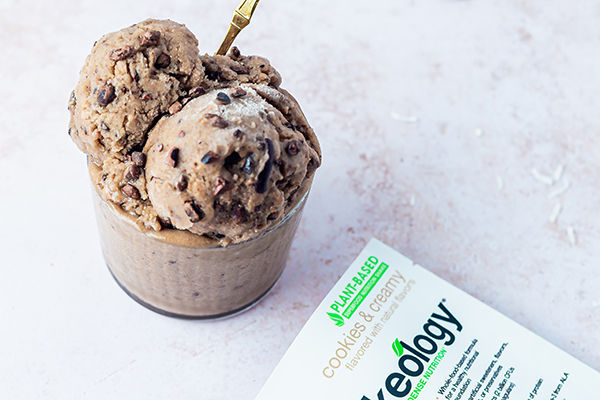
What’s not to love about nice cream? It’s so easy to make, the flavor combinations are endless, and even better — you don’t have to wait for HOURS before digging in.
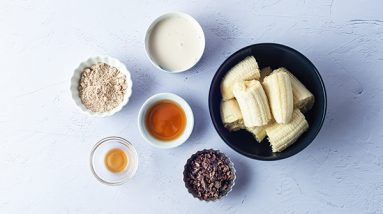
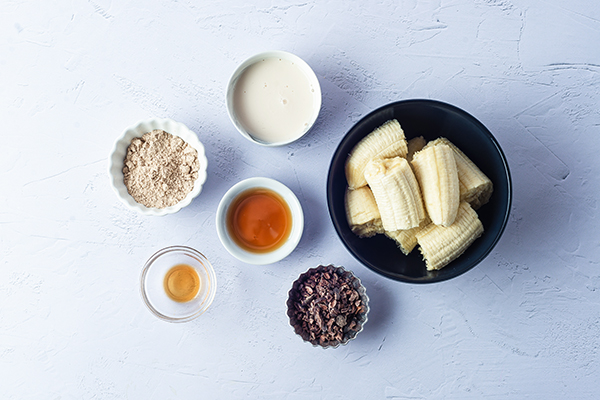
This Cookies & Creamy Cacao Crunch Nice Cream is no exception — all it takes is a handful of ingredients that you probably already have on hand, a scoop of Cookies & Creamy Shakeology, and 10 minutes.
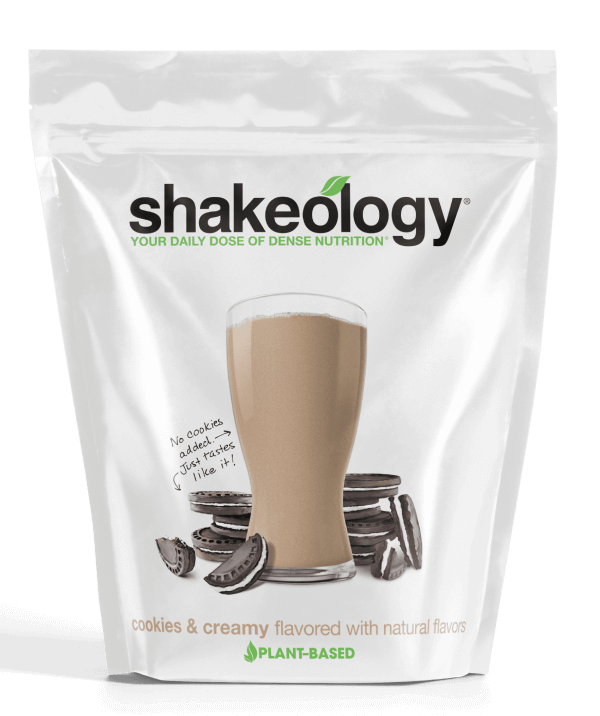
Cookies & Creamy Shakeology
Creamy and velvety with decadent chocolate cookie flavor that tastes like your favorite superfood dessert.
Shop Now
Check out these other Shakeology nice cream recipes below and get even more Shakeology recipes here!
Chocolate Shakeology Nice Cream
Coffee Crunch Nice Cream
Chocolate Peanut Butter Nice Cream
Green Tea Nice Cream

Print Cookies & Creamy Cacao Crunch Nice Cream
This delectable Shakeology nice cream recipe is just the dessert you’ve been looking for.
Course Dessert, Snack
Keyword Cookies & Creamy Shakeology
Prep Time 7 minutes
Cook Time 3 minutes
Total Time 10 minutes
Calories 297kcal
Ingredients
- ½ large banana, chopped, frozen
- 1 scoop Cookies & Creamy Shakeology
- 1 Tbsp. unsweetened almond milk
- ½ tsp. pure maple syrup
- ¼ tsp. pure vanilla extract
- 1 Tbsp. cacao nibs
Instructions
-
Place banana, Shakeology, almond milk, maple syrup, and extract in a food processor (or high-powered blender); cover. Pulse for 2 to 3 minutes, or until very smooth, scraping down sides as needed.
-
Transfer to a serving bowl; garnish with cacao nibs. Serve immediately, or freeze in an airtight container for up to 1 month. If frozen, set out at room temperature for 15 minutes to soften before serving.
Notes
Fantastic Fiber (F), Gluten-Free (GF), No Dairy (ND), Protein Power (P), Quick ‘n’ Easy (QE), Vegan (V), Vegetarian (VG)The Nutrition Facts box below provides estimated nutritional information for this recipe.** Total Sugar 18 g, Added Sugar 8 g
Nutrition
Serving: 1serving | Calories: 297kcal | Carbohydrates: 37g | Protein: 17g | Fat: 8g | Saturated Fat: 4g | Sodium: 302mg | Fiber: 11g | Sugar: 18g
Container Equivalents
1 Purple
1 Red
3 tsp.
2B Mindset Plate It!This recipe makes a great breakfast.
The post Cookies & Creamy Cacao Crunch Nice Cream appeared first on BODi.
Discover the Power of Noni Fruit: Unveiling its Nutritional Profile, Incredible Health Benefits, and Beyond!
Noni Fruit: Nutritional Profile, Health Benefits and More Blog – HealthifyMe Blog – HealthifyMe – The definitive guide to weight loss, fitness and living a healthier life.
Noni fruit, scientifically known as Morinda citrifolia, is a tropical fruit native to Southeast Asia and the Pacific islands. It is also commonly referred to as “Indian mulberry.” Noni fruit has gained popularity for its use in traditional medicine across Southeast Asia and the Pacific islands. It has been utilized for centuries in these regions for its potential health benefits and is commonly consumed as a health tonic.
This fruit has been used for centuries in traditional medicine due to its potential health benefits. It has a pungent odor and a bitter taste, and its juice is popularly consumed as a health tonic. Noni fruit is believed to possess antioxidant properties and may have immune-boosting and anti-inflammatory effects, although more scientific research is needed to validate these claims.
Nutritional Profile of Noni Fruit
100 grams of Noni fruit contains:
- Calories: 15.3
- Protein: 0.43 g
- Carbohydrates:3.4 g
- Fibre: 0.2 g
- Sugar: 1.49 g
Noni fruit is rich in various essential nutrients. It contains vitamins like vitamin C, vitamin A, and B vitamins, including thiamin, riboflavin, and niacin. It also provides minerals such as calcium, potassium, and magnesium. Additionally, noni fruit contains beneficial phytochemicals like flavonoids and lignans, which act as antioxidants. These compounds help protect the body against oxidative stress and inflammation. Noni fruit is also a source of dietary fiber, which aids in digestion and promotes overall gut health.
Health Benefits of Noni Fruit
Noni fruit is believed to offer several potential health benefits. Here are some of the offerings:
1. Supports Immune System
Noni fruit is believed to potentially boost the immune system through several mechanisms. It contains compounds like polysaccharides and flavonoids that may stimulate immune cells, enhance their activity, and increase the production of antibodies. These bioactive components of noni fruit could help strengthen the body’s defense against infections and diseases. Additionally, the antioxidants present in noni fruit may protect immune cells from damage caused by oxidative stress, promoting overall immune system function. However, more research is needed to fully understand and validate the immune-boosting effects of noni fruit.
2. Reduces Inflammation
Noni fruit is believed to have potential anti-inflammatory properties that may help manage inflammation and alleviate pain. It contains compounds like scopoletin and quercetin, which have been associated with anti-inflammatory effects. These compounds may help reduce the production of inflammatory molecules in the body and inhibit certain pathways involved in the inflammatory response, leading to a potential reduction in pain and discomfort. However, further research is necessary to fully understand and confirm these effects.
3. May Enhance Cardiovascular Health
Noni fruit may potentially support cardiovascular health through various mechanisms. It contains compounds like scopoletin, quercetin, and proxeronine, which have been linked to potential cardiovascular benefits. These compounds may help improve blood vessel function, reduce cholesterol levels, and inhibit the formation of blood clots.
Additionally, the antioxidants found in noni fruit may help reduce oxidative stress and inflammation, which are risk factors for cardiovascular diseases. However, it is important to note that scientific evidence is limited, and more research is needed to fully understand the effects of noni fruit on cardiovascular health and its potential therapeutic applications.
4. Improves Gut Health
Noni fruit is traditionally believed to have benefits for digestion and gut health. It contains dietary fiber that can promote regular bowel movements, relieve constipation, and support overall digestive function. Noni fruit may also have antimicrobial properties, helping to maintain a healthy balance of gut bacteria. Additionally, it has been used traditionally to alleviate stomach aches and digestive discomfort. While anecdotal evidence supports these claims, further scientific research is necessary to fully understand the specific mechanisms and extent of noni fruit’s effects on digestion and gut health.
5. Enhances Skin
Noni fruit is thought to potentially improve skin health and appearance due to its antioxidant and anti-inflammatory properties. These properties may help protect the skin against oxidative damage, reduce inflammation, and promote wound healing. Noni fruit extract has been studied for its potential benefits in skincare, including moisturizing effects and the ability to improve the appearance of scars, wrinkles, and blemishes.
6. Supports Overall Health
Noni fruit is believed to promote overall well-being and vitality through various mechanisms. Its potential antioxidant properties may help protect the body from oxidative stress and damage. By reducing inflammation, noni fruit may support optimal functioning of different systems, including the immune, cardiovascular, and digestive systems. Additionally, noni fruit’s potential effects on skin health and its traditional use in promoting digestive regularity and relieving discomfort may contribute to an overall sense of well-being.
7. Contains Anti-Cancer Properties
Noni fruit has been investigated for its potential anticancer properties. Some studies suggest that noni fruit extracts and compounds found in noni fruit may exhibit anticancer effects by inhibiting the growth of cancer cells, inducing apoptosis, and reducing tumor formation. These effects may be attributed to the presence of phytochemicals such as quinones, anthraquinones, and polysaccharides.
Noni fruit has shown some potential in inhibiting the growth of cancer cells in laboratory studies. While further research is needed, it has been suggested that noni fruit may have potential benefits in combating cancers such as breast cancer, colorectal cancer, and lung cancer.
8. Manages Diabetes and Its Symptoms
Noni fruit may potentially help regulate blood sugar levels through various mechanisms. Some studies suggest that noni fruit extracts or compounds found in noni fruit may enhance insulin sensitivity, promoting the uptake of glucose by cells and reducing blood sugar levels. Additionally, noni fruit’s antioxidant properties may help protect pancreatic beta cells, which are responsible for producing insulin.
Furthermore, noni fruit contains dietary fiber, which can slow down the absorption of carbohydrates and help stabilize blood sugar levels. However, further research is needed to understand the specific components and mechanisms of noni fruit that contribute to its potential effects on blood sugar regulation. It is important to consult with a healthcare professional for personalized advice regarding diabetes management.
Summary
Noni fruit offers potential health benefits including immune system support, inflammation reduction, cardiovascular health enhancement, improved gut health, enhanced skin health, overall well-being support, potential anti-cancer properties, and management of diabetes and its symptoms. It contains compounds that may boost the immune system, reduce inflammation, improve blood vessel function, promote digestion, moisturize the skin, and regulate blood sugar levels. However, further research is needed to fully understand and validate these effects. Consulting with a healthcare professional is recommended for personalized advice.
Ways to Incorporate Noni Fruit Into Your Diet
- Noni Juice: Noni fruit is commonly consumed in the form of juice. You can either purchase commercially available noni juice or make your own by blending or juicing fresh noni fruit. It can be consumed as is or mixed with other juices or water for a milder flavor.
- Smoothies: Add noni fruit to your favorite smoothie recipes. Blend it with other fruits, vegetables, and a liquid base like coconut water or almond milk for a nutrient-packed and refreshing drink.
- Noni Powder: Noni fruit is also available in powdered form. You can add noni powder to smoothies, yogurt, oatmeal, or sprinkle it over salads or other dishes for an added nutritional boost.
- Noni Supplements: Noni fruit supplements, such as capsules or tablets, are available in the market. Follow the recommended dosage provided on the product packaging and consult with a healthcare professional before incorporating them into your routine.
Recipes with Noni Fruit Noni Smoothie Bowl
Ingredients:
- Ripe noni fruit: 200g
- Frozen banana: 1 or 80g
- Frozen berries (such as blueberries or strawberries): 150g
- Almond milk (or any preferred milk):100 to 150ml
- Toppings: granola, sliced fruits, coconut flakes, chia seeds
Instructions
- Peel the noni fruit and remove the seeds.
- Place the noni fruit, frozen banana, frozen berries, and almond milk in a blender.
- Blend until smooth and creamy.
- Pour the smoothie into a bowl and top it with your favorite toppings, such as granola, sliced fruits, coconut flakes, and chia seeds.
- Enjoy your refreshing noni smoothie bowl!
Noni Fruit Salad
Ingredients:
- Ripe noni fruit: 100g
- Mixed salad greens (such as spinach, arugula, and lettuce): 100g
- Cucumber, sliced: 50g
- Avocado, diced: 50g
- Cherry tomatoes, halved: 50g
- Basil: 5 leaves chopped
- Olive oil: 1 tbsp (for dressing)
- Lemon: 1 lemon yield
- Salt and pepper: as per taste
Instructions
- Peel the noni fruit, remove the seeds, and cut it into small pieces.
- In a large salad bowl, combine the mixed salad greens, cucumber slices, diced avocado, cherry tomatoes, and fresh herbs.
- Add the noni fruit pieces to the salad.
- In a small bowl, whisk together olive oil, lemon juice, salt, and pepper to make the dressing.
- Drizzle the dressing over the salad and toss gently to combine.
- Serve the noni fruit salad as a refreshing and nutritious side dish.
Potential Side Effects of Noni Fruit
While noni fruit is generally considered safe for consumption, there are a few potential side effects and precautions to be aware of:
- Allergic reactions: Some individuals may be allergic to noni fruit. It is recommended to perform a patch test or consult with a healthcare professional if you have known allergies to other fruits.
- Liver toxicity: There have been rare reports of liver toxicity associated with high doses of noni fruit or long-term use of noni fruit products. If you have liver problems or are taking medications that affect the liver, it is advisable to consult with a healthcare professional before consuming noni fruit.
- Drug interactions: Noni fruit may interact with certain medications, including those for blood pressure, anticoagulants, and immunosuppressants. If you are taking any medications, it is important to consult with a healthcare professional before adding noni fruit to your diet to prevent any potential interactions.
- Gastrointestinal discomfort: Some individuals may experience gastrointestinal discomfort, such as diarrhea or stomach upset, when consuming noni fruit or its juice. It is recommended to start with small amounts and observe your body’s response.
- Pregnancy and breastfeeding: Limited information is available regarding the safety of noni fruit during pregnancy and breastfeeding. It is best to err on the side of caution and avoid consuming noni fruit or its products during these periods.
As with any dietary supplement or natural product, it is always advisable to consult with a healthcare professional before incorporating noni fruit into your routine, especially if you have any pre-existing medical conditions or are taking medications.
Summary
Noni fruit is generally safe, but precautions should be taken. Allergic reactions, liver toxicity, drug interactions, gastrointestinal discomfort, and caution during pregnancy and breastfeeding are important considerations. Consultation with a healthcare professional is advised, especially for those with medical conditions or taking medications.
HealthifyMe Suggestion
Noni fruit or Indian mulberry is a delicious fruit, which is rather unpopular but has a lot of health benefits.
There are studies going on about this fruit as it may prove to be anti-cancerous due to its high antioxidant properties. regular consumption of noni fruit may help you to improve your digestion and the texture of your skin. It is anti-inflammatory and great for your heart.
It can be easily converted into delicious salads and smoothies. apart from that there are many traditional recipes available for this fruit.
Give it a try today and explore your taste pallet.
Conclusion
Incorporating Noni fruit into a balanced diet can contribute to improved well-being. Its rich nutritional profile, including vitamins, minerals, and antioxidants, offers numerous potential health benefits. From boosting the immune system and managing inflammation to supporting cardiovascular health and enhancing digestion, Noni fruit is a versatile addition to one’s dietary regimen.
Furthermore, its reported anticancer properties and potential positive effects on diabetes management make it even more appealing. However, it’s important to exercise caution, as some individuals may experience allergic reactions, and moderation is key. Consulting a healthcare professional is advised, ensuring Noni fruit is integrated appropriately into a well-rounded, healthy lifestyle.
Disclaimer: The purpose of this article is just to disperse knowledge and raise awareness. It does not intend to replace medical advice from professionals. For further information please contact our certified nutritionists Here
Frequently Asked Questions (FAQs)
Is noni fruit safe to eat?
Noni fruit is generally considered safe to eat when consumed in moderation. However, it’s advisable to consult a healthcare professional before incorporating it into your diet, especially if you have any underlying health conditions or are taking medications.
Does noni have side effects?
Noni fruit may cause allergic reactions in some individuals. Additionally, excessive consumption of noni products may lead to digestive discomfort or diarrhea. It’s important to consume noni in moderation and be mindful of any adverse reactions.
Can I drink noni juice everyday?
While noni juice is consumed by some people every day, it’s recommended to consult a healthcare professional before doing so. They can provide personalized advice based on your health status and potential interactions with any medications you may be taking.
Who should not take noni?
Pregnant and breastfeeding women should avoid noni due to the limited research on its safety during these stages. Additionally, individuals with liver disease or kidney disease should exercise caution and consult a healthcare professional before taking noni.
Does noni affect the liver?
There have been reports of noni causing liver toxicity in some individuals. If you have pre-existing liver conditions or concerns, it’s important to consult a healthcare professional before consuming noni.
Is noni good for diabetes?
Some studies suggest that noni may have beneficial effects on diabetes management, such as regulating blood sugar levels. However, it’s crucial to consult a healthcare professional for personalized advice and to ensure it aligns with your overall diabetes management plan.
What diseases does noni cure?
Noni is often used as a complementary remedy in traditional medicine for various conditions, including arthritis, digestive issues, and skin problems. However, scientific evidence supporting specific disease-curing properties of noni is limited.
Is noni a drug?
No, noni is not classified as a drug. It is a fruit that is consumed or processed into juice, capsules, or other forms for dietary or traditional medicinal purposes. It’s important to understand that noni should not replace prescribed medications and medical treatments.
Is noni good for men?
Noni fruit is not specifically targeted towards men’s health. However, its potential benefits, such as immune support, antioxidant properties, and overall well-being, can be advantageous for individuals of any gender.
Is noni good for kidneys?
Limited scientific research is available regarding the effects of noni on kidney health. If you have kidney disease or concerns, it’s advisable to consult a healthcare professional before consuming noni or its products.
Is noni a detox?
Noni has been associated with detoxification properties in traditional medicine. However, scientific evidence supporting its efficacy as a detoxifying agent is lacking. It’s important to adopt a balanced diet and lifestyle practices for overall detoxification.
Is noni good for urinary tract infections?
There is no substantial scientific evidence to suggest that noni is effective for treating urinary tract infections (UTIs). If you suspect a UTI, it’s crucial to consult a healthcare professional for proper diagnosis and appropriate treatment.
Is noni acidic or alkaline?
Noni fruit is generally considered to have an acidic pH. However, when consumed, it can have alkalizing effects on the body due to its mineral content. The specific pH may vary depending on the ripeness and processing of the fruit.
Does noni increase blood pressure?
There is no clear scientific evidence suggesting that noni increases blood pressure. However, if you have hypertension or concerns about blood pressure, it’s recommended to consult a healthcare professional before incorporating noni into your diet.
Is noni good for gastritis?
Limited scientific research exists on the effects of noni on gastritis. If you have gastritis or gastrointestinal conditions, it’s advisable to consult a healthcare professional before consuming noni or its products.
Can I apply noni juice on my face?
Noni juice has been used in some skincare products and facial treatments due to its potential antioxidant and skin-nourishing properties. However, it’s important to patch test and consider individual skin sensitivities before applying noni juice directly to your face. Consulting a skincare professional is recommended for personalized advice.
Research Sources
- Studies on antidyslipidemic effects of Morinda citrifolia (Noni) fruit, leaves and root extracts
https://www.ncbi.nlm.nih.gov/pmc/articles/PMC2939587/ - The Potential Health Benefits of Noni Juice: A Review of Human Intervention Studies
https://www.ncbi.nlm.nih.gov/pmc/articles/PMC5920423/ - A double-blind clinical safety study of noni fruit juice
https://www.researchgate.net/publication/44574168_A_double-blind_clinical_safety_study_of_noni_fruit_juice
The post Noni Fruit: Nutritional Profile, Health Benefits and More appeared first on Blog – HealthifyMe.

Boost Your Forearm Strength with These 5 Powerful Exercises
Believe it or not, but your forearms are some of the most complicated muscles in the entire human body. Your forearms are responsible for a wide variety of tasks, giving movement to the elbow, wrist, and your fingers. Forearm specific exercises, help you develop grip strength, by contracting your flexor and extensor muscles. Handgrip strength is often used as an indicator of overall muscle strength as well as current and future health. Think about it. You need grip strength for literally everything. Picking up your groceries, grabbing your phone, or even picking up your water bottle. When it comes to weight-lifting hand grip is one of the quickest ways to bigger lifts and loading more plates onto the barbell. You may be strong enough to lift a heavy plate-loaded deadlift off the ground, but it doesn’t matter now if you can’t hold onto the barbell. We’re going to talk more about the best forearm exercises and workout, to help you improve your health and performance.
Muscles In Forearms
Without cracking open an anatomy textbook, let’s cover some of the basics about the muscles in the forearms, so you can be more familiar with how your forearms work and what muscles you’ll specifically be targeting.
Your forearms are broadly divided into two segments: the anterior flexor and the posterior extensor compartments. The deep fascia of the forearm encircles the radius and ulna bone.
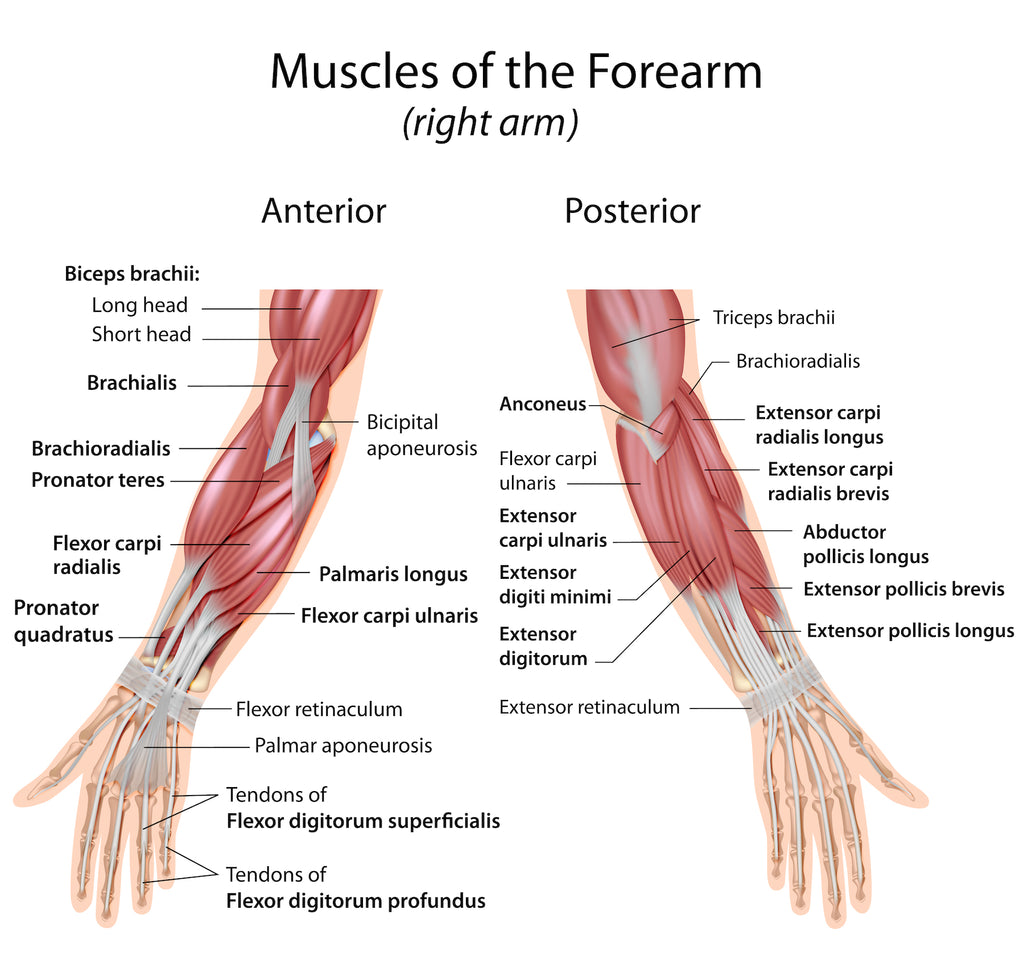
The muscles of the forearm or antebrachium work together to move the elbow, forearm, wrist, and fingers. Forearm muscles into two categories: intrinsic and extrinsic muscles. Intrinsic muscles function to move the forearm by pronating and supinating the radius and ulna. The extrinsic muscles of the forearm flex and extend your fingers The brachioradialis, traverses the elbow joint, running from the arm to the wrist, and helps flex the elbow.
Benefits Of Forearm Exercises 1. Grip Strength
Exercises focused on developing your forearms, will build more grip strength. Grip strength is simply a measurement of how much force and power you can create with your forearms and hand muscles to grip an object.
Training protocols, such as powerlifting, bodybuilding, and high-intensity functional training like CrossFit all require grip strength to compete and lift heavy. A grueling metcon can leave you fatigued and slow you down especially as your chipping away in the workout round after round. Having good grip strength is crucial to focus on proper form and push yourself through your training.
In fact, a study published in the Journal Of Strength And Conditioning Research found that hand grip strength is a predictor of muscle strength and endurance [R]. Beyond fitness however, grip strength is also an indicator of overall health. Research has shown that low grip strength is associated with chronic comorbidities, functional disabilities, and even death [R].
A meta-analysis and review of twelve studies found that a 5kg decrease in grip strength was associated with an increased risk of cardiovascular disease [R].
Adding in some forearm exercises into your workout, can greatly benefit your athletic performance as well as your overall health.
2. Benefits On Other Exercises
Although the forearms are a small muscle, they have a large impact on other exercises. Stronger forearms, will enable you to grip heavier weight, lift a plate loaded barbell, and hang onto the pull up bar a little longer.
With a few added forearm exercises, you’ll see sizable gains in compound movements, such as the deadlift, bench press, and pull ups.
Forearm Workout: Best Forearm Exercises
Skipping forearm exercises, can increase your risk for weaker grip strength and unbalanced arm aesthetic. Unfortunately, pulling exercises, do not isolate your forearms well enough as secondary muscles as compared to the primary muscles being worked. Additionally, your forearms also compete with your biceps, as the secondary muscle activator.
Zottman Curl
The Zottman curl is primarily a bicep exercise, however it’s also a great forearm exercise. Zottman curl works the anterior flexor and posterior extensor in the forearms. The real benefit of the Zottman curl is that the eccentric segment of each rep contracts the biceps (biceps brachii and brachialis) and the concentric phase targets the forearms (brachioradialis and brachialis muscles).
How To Zottman Curl
- Stand holding a dumbbell in each hand.
- Rotate your wrists into a supinated position (palms facing upwards). Arms fully extended and resting by your sides.
- Place your feet shoulder-width apart to establish a solid base.
- Contract and isolate your biceps as hard as you can and curl the dumbbells upwards as you bend your elbows.
- Pause at the top of the movement.
- Rotate your wrists into a pronated position (palms facing the floor).
- Slowly lower and de-load down until your arms are extended.
- Twist the dumbbells back into the starting position as described above (palms facing upwards) for the next rep
- Repeat for the desired number of reps
Twisting Curl
Think of a twisting curl as a combination between the hammer curl and the standard curl. Twisting curls are dumbbell curls that add a slight modification and twist as you shorten your muscle and contract towards your shoulders. This modification can better target your biceps brachii and induce greater changes in muscle strength and hypertrophy. The twisting dumbbell curl is considered an isolated movement, however can also target the forearms, with the twist and roll of the wrist on the eccentric phase of the movement.
How To Twisting Curl
- Grab a pair of dumbbells with one in each hand.
- Start in a hammer curl position keeping your arms long and by your sides and chest up.
- As you start the movement, drives your thurms up and curl and twist on the way up and down.
- For even more emphasis curl into your shoulder as you reach the top of the lift for better contraction.
Hammer Curl
Hammer curls are a bicep curl variation, that targets and isolates the long head or outer bicep as well as the forearms. Hammer curls are traditionally and or most commonly performed with dumbbells, however you can use the cable pulley, which can effectively target the forearms.
How To Hammer Curl
- Stand with your legs straight, and knees aligned under your hips.
- Grab a pair of dumbbells and start with them your sides, with palms faced toward you.
- Bend at the elbow and curl the dumbbell either alternating or both at the same time.
- Lift the lower distal portion of your arm towards your shoulders and curl the weight.
- Hold for a one second count at the top of the movement contracting your biceps, then release and lower your arms back to starting position.
Farmers Carry
The farmer’s carry, farmer’s walk, and loaded walks are wonderful ways to increase overall stability, strength, and improve exercise conditioning. Farmers carry can help increase grip strength and develop your flexors and extensors.
How To Farmer Carry
- Start in the standing position with your weights to the side of your body. Shoulders should be over the feet.
- Squat down like you’re going to deadlift, with your hands to the side, chest up, shoulders back.
- Grab your weights firmly, stand straight up, and while maintaining tight core and active shoulders, set your eyes forward and begin to take small controlled steps, trying not to use the side-to-side bobbing motion to create momentum to move forward.
- Perform the walk for 20′ – 50′, set your equipment down, take a quick break, then repeat.
Deadlift
Although the deadlift is not a primary forearm exercise, (far from it), it does help with grip strength, and recruit some of the muscles within the forearms, to help on the pull.
Deadlifts are a compound movement, that target the muscles in your posterior chain.
Deadlifts have many known full body benefits and are extremely crucial in the development of total-body strength, proper hip function, core strength, and spine stabilization (which can reduce the risk of lower back injuries). Since deadlifts recruit multiple muscle groups, joints, and stabilizing muscles, they also burn more calories and more body fat as compared to other exercise movements. With the proper form, the deadlift can add a ton of performance and health benefits, to your training program.
How To Deadlift
- Stand with feet hip- to shoulder-width apart. Rest your shins against the bar.
- Hinge at the hips and sink back into your glutes while keeping your spine extended and chest lifted up toward the ceiling.
- Grip the bar with one hand facing palm-up and the other hand facing palm-down. This over-under grip is for safety and can keep the bar from rolling out of your hands.
- Squeeze the bar with your hands as you sink back into your hips. As you sink into your hips, think about pulling your back and down to engage the lats. This will help keep your low-back stable.
- For the pull:
- Push your feet into the floor to straighten your legs and lift your chest as you lift the weight off the floor. As you stand up, think about pulling back on your knees and pushing your hips forward.
- Finally, for the lockout:
- At the top of the movement, hold your shoulders back as you keep your spine straight and tall. Pause for a moment before descending into the lowering phase.
- Slowly push your hips back while keeping your spine long and chest lifted into the air.
- Use your thigh muscles to resist the downward pull of gravity as the weight lowers back to the floor.
- At the bottom, pause, reset your hips and repeat for the desired number of repetitions.
Forearm Workout: Takeaway
Your forearms may be small, but they can have a huge impact on your performance, as well as total body aesthetic and training. Focusing on your wrist rolls, while you bicep curl, and ensuring you are working through each muscle group, as you perform the above exercises, will help build stronger forearms.
Need Help With Optimizing Your Diet, Nutrition, And Training Plan To Finally Get The Results You’ve Been Waiting For?
The Swole Kitchen provides 1:1 nutrition coaching, macro coaching, and custom meal plans to help guide you to becoming the best version of yourself. We teach you how to enjoy the foods you love in the right amounts, so you can fit into your favorite pair of jeans, hit your health and fitness goals, and be healthy and happy. We guide you through making sound nutritional decisions and teach you along the way, so you can learn how to take control of your health, and discover what if feels like to live again.

SWOLVERINE IS AN ENDURANCE ATHLETE AND ACTIVE LIFESTYLE BRAND. MADE FOR THE ELITE ATHLETE, AND THE STRONG-WILLED OUR PRODUCTS WERE DESIGNED TO FUEL YOUR ATHLETIC PERFORMANCE. WE PERFORM WHEN YOU PERFORM.
We believe that everyone can optimize not only their athletic performance but their human potential. The way we believe we can optimize performance is through transparency, clinically effective doses, and clinically proven ingredients with evidence-based outcomes. We provide the nutrients you need to power your active lifestyle.