

2023 Rising Phoenix World Championship Card Features Fitness Model Andrea Shaw as Headliner
Even with the Ms. Olympia being brought back in 2020, the Rising Phoenix Women’s Bodybuilding World Championship is still a very prestigious title within the world of women’s bodybuilding. Jake Wood and the team at Wings of Strength go all out in making this show a contest worthy of the best female bodybuilders in the world. Wood’s team announced the roster of athletes competing in the 2023 contest in Phoenix, Arizona on September 30th in an Instagram post on May 29th, and you can see the full list below.
View this post on InstagramA post shared by Wings of Strength (@wingsofstrength)
- Andrea Shaw*
- MayLa Ash
- Michaela Aycock
- Leah Dennie
- Reshanna Boswell
- Nicki Chartrand
- Desunka Dawson
- Chelsea Dion
- Julia Fory
- Natalia Kovaleva
- Rene Marven
- LaDawn McDay
- Kristina Mendoza
- Sheena Ohlig
- Sherry Priami
- Virginia Sanchez
- Melissa Teich
- Tina Williams
- Angela Yeo
- International Winner
*Defending champion
The last spot on this list is an interesting one. The Ms. International contest’s date has yet to be announced, but the winner of that contest will be invited to compete in this show as well.
Past Champions
Shaw is the defending three-time champion, but this contest goes back to 2015. The past four winners of this show are listed below.
- 2020-2022 – Andrea Shaw
- 2017, 2019 – Helle Trevino
- 2018 – Alina Popa
- 2015-2016 – Margie Martin
Shaw is already the winningest champion in the contest’s short history, but she clearly wants to tack onto that record by winning her fourth championship. She’s also the three-time and reigning Ms. Olympia. The Rising Phoenix show has doubled as a show that gauged how she would fare at the Olympia. This year, the two contests are a mere six weeks apart. The Olympia will be held on Nov. 2-5 in Orlando, FL. Shaw having to peak twice may make this a unique challenge.
That said, Shaw is considered the early favorite to win number four in both the Rising Phoenix and the Olympia. No other past champions are in this lineup, but Ash was the runner-up to Shaw in the Rising Phoenix show in 2022, and Yeo was the Ms. Olympia runner-up. Both ladies are in this contest. Ash has quite of experience under her belt while Yeo is considered a future superstar in the IFBB Pro League. Either competitor could potentially break Shaw’s streak and win the title, $50,000 prize money, and 2023 Ms. Olympia qualification. If they were, how would that affect the Ms. Olympia contest in Orlando?
You can get tickets or learn more about the Rising Phoenix by going to www.wingsofstrength.net .

Elevate Your Workout’s Mental Health Benefits with a Beach, Lake or River Session
Glancing through resort advertisements, you can’t help but notice the overwhelming presence of ocean and coastline beckoning you to leave all your stressors behind. It’s no accident that blue spaces—which include all waterscapes and their environments—are front and center in vacation ads, or that condos with a water view are priced at a premium. Humans feel an ancient and irresistible pull toward the water, and the fields of evolutionary and psychological study have been turning up evidence of how deep and influential this drive can be.
Essentially, blue spaces have the power to improve our mental and physical health and foster meaningful mind-body connections—similar to the way that exercise can. “A blue space setting can increase one’s physical activity levels, boost mood and well-being, and lower stress and anxiety,” says Reena B. Patel, LEP, BCBA, positive psychologist, and licensed educational board certified behavior analyst.
Taking your workouts to the beach, lake, river, or any other space near a natural body of water may provide compounding benefits beyond those you’d get from indoor gym sessions. “While exercise has many physical health advantages, it also plays a beneficial role for our mental well-being, and pairing fitness and movement with blue areas can increase both,” says Patel.
Benefits of blue spaces for mind and body
Researchers have reached the consensus that human relationships to water influence identity; sense of belonging and place; and physical, emotional, and spiritual wellness. Throughout history, waterscapes have been a destination for relaxation, fun, sport, and leisure, while also being considered healing and invigorating. While this has been obvious in so many cultures for thousands of years, science also backs it up.
“Being in natural spaces has been shown to improve well-being by lowering stress levels and reducing symptoms of anxiety and depression,” says Amy Mezulis, PhD, co-founder and chief clinical officer of online therapy platform Joon. “Time spent in blue spaces may help people buffer against the effects of stress by reducing sympathetic nervous system activation, lowering cortisol levels, and expanding the internal ability to access good coping resources.”
So, what does that all mean? A calmer, less stressed version of yourself.
“Sensory input is a key component to cultivating mindfulness, and mindfulness has both direct and indirect mental health effects,” adds Dr. Mezulis. Blue spaces offer plentiful sensory input, such as the color contrasts of water against the landscape and the sounds and smells associated with that water and its movement. “This sensory mindfulness, in turn, supports us in slowing down, grounding in the present reality, and finding a sense of inner peace,” Dr. Mezulis explains.
Combining fitness with blue spaces
It seems that simply existing near water can lead to more movement in your life. In fact, access to blue spaces is associated with significantly higher physical activity levels, according to findings published in The International Journal of Environmental Research and Public Health. The more blue spaces near your home, the more likely you are to be active, which makes sense: In addition to providing opportunities to swim or row a boat, many lakes and rivers are flanked by running and biking paths, while sandy beaches naturally invite active recreation, from surfing to volleyball to long walks (romantic or otherwise).
Interestingly, several studies have found that physical activity is the key ingredient that connects being in natural spaces to better well-being. “People who use blue and green spaces for physical activity have better mental health outcomes than those who do not,” says Dr. Mezulis. Of course, we know that physical activity has major mental health benefits, like lower stress, improved perspective, and a better ability to problem-solve. “Physical activity in a blue space maximizes those benefits,” she adds.
According to Dr. Mezulis, being active in spaces that encourage mental and physical balance likely helps you benefit further from connecting your mind and body. “Any time we want to engage in behaviors that promote our mental health and well-being, two important components are time and intention,” explains Dr. Mezulis. “We can gain the most benefits from blue spaces when we make it a priority to spend time in those spaces with the intention of making that time beneficial for our mental health.”
How to get started
If you want to reap these benefits, intentionally schedule regular time to be in blue spaces and plan physical activity around those opportunities. Maybe it’s taking a walk to a local pond or river, or going swimming in a lake. Even simple strolls alongside streams or brief toe dips into the ocean can have mental health benefits if you bring a reflective mindset with you.
Or, if you’re feeling adventurous, incorporate the water itself into your workout and make exercise more exciting by trying paddleboarding, surfing, or kayaking to add variety.
Above all, be mindful: “Stay present by taking time to appreciate its beauty,” suggests Patel.

Discover the Effective Feeder Workouts: Unlock the Secret to Building Impressive Muscle Mass
Feeder workouts are quick, high-volume, light weight workouts, that can help increase blood improve muscle size and strength. Coined by bodybuilder Rich Piana, feeder workouts can help improve muscle size by constantly providing or feeding the muscle, with more nutrients, blood flow and oxygen. We’re going to talk more about feeder workouts and how this workout protocol can help you grow more size where you need it.
What Are Feeder Workouts
The theory behind a feeder workout, is that low weight, high volume workouts, performed every day, at 2-3 sets of 20-50 reps can help significantly add more size and strength. For example, performing light weight bicep curls, at 100 reps, every night will provide more nutrients, blood flow and oxygen, thus “feeding” your muscle tissue and help you grow more size.
Do Feeder Workouts Work
According to the principles of muscle protein synthesis, feeder workouts, should in fact, be able to increase muscle size and strength.
Muscle protein synthesis is the biological process of building new protein cells to rebuild and repair muscle tissue, via amino acid utilization. This biological process is a result of intense physical stress, caused by micro-tears and mini trauma done to the muscle tissue during training. Although you’re not using heavy weight in a feeder workout, does not mean it is not intense, or creating micro-tears in the muscle.
Studies suggest that the intensity/workload is negligible on the rate of MPS. MPS is truly controlled by exercise in addition to nutrient intake.
The human body is comprised of 650 skeletal muscles, composed of thread-like myofibrils and sarcomeres which can achieve growth, through the process of repeated muscle contraction. The metabolic change for how muscles grow, is an increase in net muscle protein balance, which is simply the difference between muscle protein synthesis and muscle protein breakdown. An increase in net muscle protein balance, is a direct response to resistance training and nutrition which stimulate anabolic response through muscle protein synthesis [R].
Muscle growth takes place in two different forms, hypertrophy and hyperplasia. Hypertrophy is an increase in muscle size due to an increased in the size of muscle muscle fibers, while hyperplasia is an increase in the number of muscle fibers. Hypertrophy is achieved through increased muscle tension and physical stress, breaking down muscle fiber. Growth is a result from overcompensation to protect the body from future stress [R].
Resistance training places intense physical stress on your muscle fibers, creating microtears and trauma to your muscle tissue, stimulating the muscle building process. The rate at which you build muscle depends on several variables related to resistance training, such as training volume, load, workout intensity, and duration. Maximizing muscle growth through training, will also depend on how many sets and reps you do.
Training for maximal muscle growth requires higher volume training and more intensity, with minimal rest periods. This will essentially force cellular changes which will result in increased muscle growth.
Therefore, feeder workouts, should in fact work, and work very well to induce more changes in muscle size and strength.
RELATED ARTICLE How Do Muscles Grow
The other component to muscle growth, is nutrition. Protein is vital to initiate muscle protein synthesis to rebuild and repair muscle. Protein is comprised of amino acids, which stimulate the muscle building process. This is why you see bodybuilders such as Piana supplement with a protein shake. It’s important to flood your muscles tissue with the fuel it needs to maximize performance. Drinking a protein shake before your workout will help elevate amino acids in your bloodstream at a much faster rate, than food alone. The short rush of amino acids is known as hyperaminoacidemia and stimulates greater amounts of muscle protein synthesis. Having a flood of amino acids post-workout is just as important, as it will help with muscle growth and optimize your post-workout recovery.
If you’re not exactly sure where to start with your nutrition, schedule a free nutrition consultation with a certified nutrition coach at The Swole Kitchen. Take the guess-workout out of your nutrition and get results right away.
Feeder Workouts: Takeaway
Adding feeder workouts to your normal training protocol, or workout split, could in fact help you grow muscle size and strength in acute areas of focus. If for example, you need to grow your biceps, or quadriceps for a more balanced physique, then you can add a feeder workout, with more volume, of 50-100 reps of bicep and leg curls to help grow more size and strength. Rich Piana was one of GOATS in bodybuilding and always had an amazing physique. So, it’s probably worth a shot.
Need Help With Optimizing Your Diet, Nutrition, And Training Plan To Finally Get The Results You’ve Been Waiting For Without Having To Diet At All?
The Swole Kitchen provides 1:1 nutrition coaching, macro coaching, and custom meal plans to help guide you to becoming the best version of yourself. We teach you how to enjoy the foods you love in the right amounts, so you can fit into your favorite pair of jeans, hit your health and fitness goals, and be healthy and happy. We guide you through making sound nutritional decisions and teach you along the way, so you can learn how to take control of your health, and discover what if feels like to live again.

SWOLVERINE IS AN ENDURANCE ATHLETE AND ACTIVE LIFESTYLE BRAND. MADE FOR THE ELITE ATHLETE, AND THE STRONG-WILLED OUR PRODUCTS WERE DESIGNED TO FUEL YOUR ATHLETIC PERFORMANCE. WE PERFORM WHEN YOU PERFORM.
We believe that everyone can optimize not only their athletic performance but their human potential. The way we believe we can optimize performance is through transparency, clinically effective doses, and clinically proven ingredients with evidence-based outcomes. We provide the nutrients you need to power your active lifestyle.

6 Causes and 5 Treatments for Chronic Inflammation: A Comprehensive Guide for Health and Fitness Enthusiasts
When you think about inflammation, typically you’ll think of joint pain after a grueling workout out, or inflammation caused by injury. This is what’s known as acute inflammation, or inflammation specific to one area of the body. But what about chronic inflammation. Chronic inflammation is a slow, long lasting and lingering form of inflammation that has many associated causes, which can become quite complex and debilitating. We’re going to talk about what chronic inflammation is, the causes, and how it affects you.
What Is Chronic Inflammation
Inflammation is your body’s natural defense mechanism. Inflammation is characterized by several factors, such as heat, redness, pain, or swelling. Inflammation is caused by a direct stimulus, such as a pathogen. Your body produces an inflammatory response to this stimulus. The goal is to respond to the stimuli, (an inflammatory response) restore balance and begin the healing process.
Chronic inflammation is described as slow, long-lasting, and persistent inflammation, which can last for several months of even years. Now, you may be thinking, well I’m not in pain, my joints aren’t swollen, so how could I have inflammation. Chronic inflammation is commonly known as hidden or silent inflammation. The extent and effects of chronic inflammation are dependent upon the severity of cause, as well as treatment protocol, and your body’s ability to repair and heal itself.
6 Causes Of Chronic Inflammation
On a molecular level, inflammation is often caused by several internal and external factors.
External factors can either be non-microbial or microbial. Non-microbial factors can include things such as allergens, irritants, and toxic compounds. The two main microbial factors are virulence factors and pathogen associated molecular patterns or (PAMPS). These virulence factors help pathogens colonize tissues and cause infection.
(PAMPs) are derived from microorganisms and recognized by pattern recognition receptor (PRR)-bearing cells of the innate immune system as well as many epithelial cells.
PAMPS are a diverse set of microbial molecules that share a number of different general “patterns,” or structures, that alert immune cells to destroy intruding pathogens. These microbial molecules, include, lipopolysaccharide (LPS), peptidoglycan, and lipoteichoic acid. Your immune system recognizes virulence factors and PAMPS as foreign substances and can trigger an inflammatory response against them.
Internal factors, include damage associated molecular patterns otherwise known as (DAMPS). These are intracellular proteins that are released when a cells plasma membrane is injured or when a cell dies. Therefore, DAMPS trigger inflammation, as a response.
1. Cortisol Levels
Lack of cortisol can greatly contribute to chronic inflammation. Cortisol is a potent anti-inflammatory hormone; it prevents the widespread tissue and nerve damage associated with inflammation.
Cortisol is a steroid hormone, specifically a glucocorticoid, which is made in the adrenal glands. Cortisol regulates a wide range of biological processes including metabolic and immune responses. It’s been widely studied that cortisol responsiveness is an important indicator and determinant in the metabolic response to stress, specifically the ‘fight or flight response’ which influences weight gain and obesity. Cortisol controls the body’s blood sugar levels, thus regulating metabolism.
Lack of cortisol is caused by having high blood serum levels of cortisol within the body, due to cortisol resistance. Conditions such as bursitis, arthritis, or tendonitis, characterized by inflammation, typically involves a lack of cortisol.
When our body contains low levels of cortisol, corticotrophin-releasing factor (CRF), (the principal regulator of the HPA axis) is secreted from the hypothalamus, which causes the pituitary gland to release another hormone, adrenocorticotropic hormone (ACTH). When the blood contains high levels of ACTH, it goes through a biological process called the Negative Feedback Loop. During this process the body secretes cortisol to regulate and maintain a steady hormone level. When ACTH is too high, the adrenal glands stimulate the release of cortisol, causing cortisol blood concentration to rise. As cortisol rises, it blocks the release of CRF and ACTH. As a result, ACTH levels start to drop, which ultimately leads to a drop in Cortisol. Thus, cortisol is regulated through a constant loop and cascade of biological reactions.
2. Chronic Stress
Several studies have shown that acute or chronic stress may lead to dysregulation of the hypothalamic–pituitary–adrenal (HPA) axis, which is mediated by inflammatory markers such as CRP and other stress hormones, including cortisol. Physical, mental, and emotional stress are all associated with inflammatory cytokine release.
Stress can also cause sleep disruption and chronic sleep disorder. Those with irregular sleep schedules are more likely to have chronic inflammation than consistent sleepers. Lack of sleep is therefore considered as an additional independent risk factors for chronic inflammation.
3. Sugar And Starch
One of the most common causes of inflammation, is from glucose. Too much sugar can produce an inflammatory response, which can lead to insulin resistance. Insulin is created by the pancreas. It’s an anabolic hormone within the body and happens to be the hormone that is secreted when blood glucose levels rise from eating carbohydrate-rich foods. After you eat, carbohydrates break down into glucose, Glucose then enters the bloodstream. The pancreas responds by producing insulin, which allows glucose to enter the body’s cells to provide energy. Excess glucose is stored as energy, in the form of body fat.
It’s important to recognize that carbohydrates are needed for normal biological function. There are certainly great sources of carbohydrates that are necessary for human and biological function. The carbohydrates that I am referring to, are sugar rich carbohydrates, such as processed foods, candy, and sugar loaded soft drinks.
If your cells become resistant to insulin, it will lead to elevated blood glucose levels, otherwise known as (hyperglycemia), and in time can lead to obesity and Type 2 diabetes.
4. Previous Injuries
Old injuries or trauma can cause chronic inflammation, through what’s called post-traumatic arthritis. Post-traumatic arthritis causes stiffness and pain in your affected joints. In most cases trauma or injury results in acute inflammation. It can however become a chronic condition. If you have old injuries, then reducing overall inflammation is crucial to the healing process.
5. Alcohol Consumption
Alcohol consumption can lead to inflammation, for several reasons. Alcohol is a toxin, and naturally your body will produce inflammation and stress trying to process it. Alcohol has a systemic effect on the gut microbiota. Chronic alcohol use impairs the balance of microflora in the gut, the gut barrier function, the liver’s ability to detoxify bacterial products and to generate a balanced cytokine milieu, and the brain’s ability to regulate inflammation in the periphery [R].
6. Unhealthy Gut Microbiome
Nearly all causes of inflammation can be directly traced back to the gut. 60-70% of your immune system is controlled by the gut. Pathogens, microbes, and foreign materials are constantly introduced to the gut, which can produce an inflammatory response.
If you have food allergies, such as a dairy sensitivity, gluten intolerance, or other sensitives, these constituents can be seen by the immune system as an invading allergen, irritant, or toxin.
Having a healthy microbiome, will help regulate the immune system, absorb more nutrients, and produce better defenses against invading pathogens. The gut lining or gut barrier is our first defense against inflammation, and when that barrier is breached, we produce systemic inflammation. This is called, gut hyper-permeability. This specific mechanism is directly correlated and characterizes the etiology associated with inflammatory bowel disease states, such as Crohn’s, Ulcerative Colitis, and irritable bowel syndrome.
RELATED ARTICLE 14 Studies That Prove Glutamine As A Potential Treatment Option For IBD
5 Potential Treatments For Inflammation – How To Control And Reduce Inflammation 1. Supplements (Turmeric, Krill Oil, Vitamin D3)
Several studies have demonstrated that supplements such as Omega-3s, Turmeric, and Vitamin D3 can help combat chronic inflammation.
Krill Oil
Omega-3s are essential fatty acids, also known as EFAs. The body requires EFAs for optimal health but cannot make these essential fatty acids on its own. EFAs are ‘essential’ meaning, these types of fats must be consumed in the diet or by a dietary supplement, such as Krill Oil. The human body requires both groups of EFAs (omega-3 and omega-6) to survive, however the typical modern-day diet, is much higher in Omega-6 fatty acids than Omega-3, making supplementation critical to your overall health.
Krill Oil comes from tiny shrimp-like crustaceans, which are found deep in the cold waters of the Antarctic Ocean. Krill oil is rich in long-chain omega-3 polyunsaturated fatty acids (PUFAs), eicosapentaenoic acid (EPA), and docosahexaenoic acid (DHA), which have been found to have positive effects on inflammation, decreasing oxidative stress, and enhancing recovery [R]
In a study conducted at the University of Pittsburgh Medical Center, 125 patients that were diagnosed with nonsurgical neck or back pain were administered 1200-2500mg of Omega-3 fatty acids per day. After 75 days, fifty-nine percent discontinued taking their prescription NSAID medications for pain. Sixty percent stated that their overall pain was improved, and 60% stated that their joint pain had improved. Eighty percent stated they were satisfied with their improvement, and 88% stated they would continue with Omega-3 supplementation. This study concluded that Omega-3 supplementation demonstrated an equivalent effect in reducing arthritic pain, as does Ibuprofen [R].
Studies have proven that krill oil helps reduce joint pain and arthritic symptoms by directly reducing the amount of C-reactive protein in the blood; a protein made by the liver in response to inflammation. Therefore, if you’re experiencing post workout joint pain, or exhibit mild arthritic symptoms, krill oil can potentially help reduce pain and joint discomfort [R].
RECOMMENDED PRODUCT Krill Oil (60 Servings with Astaxanthin)
Vitamin D3
Obtained from the sun and synthesized through the skin, vitamin d is an integral component of overall health and wellness. Vitamin D is unique in the fact, that it doesn’t function like a vitamin, but more like a hormone. Classified as a pro-hormone, Vitamin D is an essential component in bone and mineral metabolism.
Often hard to obtain through dietary sources alone, supplementation is crucial for health and wellness. According to a national nutrition examination survey 41.6% of US adults exhibited vitamin d deficiency, with the highest rate seen in African Americans at 82.1% followed by those of Hispanic descent at 69.2% [R]. Since Vitamin D is a fat-soluble vitamin, it’s crucial that you pair vitamin d with a fat, to enable optimal absorption and calcium uptake. Swolverine’s Vitamin D3 is 10,000 IUS suspended in olive oil for optimal absorption and potency.
Several studies have shown that Vitamin D3 has analgesic and anti-inflammatory properties, and effects.
A Swiss study, conducted at the University of Bern, found that 71% of study participants exhibiting chronic pain and hyperalgesia were Vitamin D deficient.
Another interesting study examined 120 children who were exhibiting recurrent growing pains, lasting more than 6 months. Following vitamin D supplementation, the mean VAS score (commonly known as pain score) was reduced from 6.8 to 2.9, resulting in a mean reduction of 3.8 at the 3 months follow up. A reduction of 57% [R].
Several observational and controlled studies have found that vitamin d deficiency may be related to chronic musculoskeletal chronic low back pain [R, R, R]. In a very large observational study with over 9,000 study participants, it was found that low vitamin d levels was directly related to back pain, to its severity, and to difficulty in performing daily activities.
Chronic in-healable wounds are often associated and can be a sign of low vitamin d levels and chronic inflammation. Vitamin D3 is vital in the crucial for the production of new skin and as part of the wound healing process. A study examining the effects of Vitamin D on patients with foot ulcers due to diabetes found that Vitamin D may play an indirect role in wound healing due to its effect on improved glycemic control.
RECOMMENDED PRODUCT Vitamin D3 (10,000 IUs w Olive Oil)
Turmeric
Turmeric has gained an immense amount of popularity amongst athletes and general health enthusiasts, due to its many proposed health benefits and anti-inflammatory properties associated with its active ingredient curcumin.
RELATED ARTICLE How To Reduce Joint Pain In 6 Simple Steps
Turmeric contains over one hundred unique chemical properties that contribute to its countless therapeutic and anti-inflammatory effects. Research suggests that Turmeric’s active ingredient Curcumin, which gives turmeric it’s beautiful yellow-orangish color is responsible for the myriad of health benefits associated with Turmeric. Curcumin is a polyphenol (micronutrients that are packed with antioxidants) and targets multiple signaling molecules at the cellular level. Curcumin has proven to have powerful antioxidant and anti-inflammatory benefits, which can help in the management of exercise-induced inflammation and muscle soreness, thus enhancing recovery, and optimizing performance.
RELATED ARTICLE The Ultimate Guide To Turmeric
Research has shown that curcumin is a highly active molecule that modulates the inflammatory response by inhibiting the production of inflammatory cytokines. This is especially beneficial to those athletes that participate in high impact or high-intensity functional training.
Evidence suggests that Turmeric also provides similar analgesic (pain reducing) and anti-inflammatory effects as ibuprofen. Considering that Turmeric is a naturally sourced herbal remedy and ibuprofen is an over the counter NSAID (Nonsteroidal anti-inflammatory drug), turmeric is a safer and natural alternative to Ibuprofen for inflammation and post-workout joint pain.
RECOMMENDED PRODUCT Turmeric (750mg curcumin)
2. Eliminate Allergens
If you have food allergies, or sensitives, one of the easiest ways to reduce systemic inflammation is to simply eliminate them from your diet.
For example, gluten is a large water-soluble protein, that creates elasticity in dough, also known as lectin. Gluten is found in most common grains and some other types of legumes. Gluten can cause inflammatory response in the gut, and create IBS like symptoms such as bloating, abdominal pain, bowel movement disturbances, and nutritional deficiencies for some people.
People with lactose intolerance are unable to fully digest or metabolize the sugar (lactose) in milk. As a result, they have diarrhea, gas and bloating after eating or drinking dairy products. The condition, which is also called lactose malabsorption, is usually harmless, but symptoms can cause inflammation. If you have this type of sensitivity, it’s always best to severely restrict or eliminate them, to avoid chronic inflammation.
3. Eat Healthy Whole Foods
Controlling inflammation is key to lowering cortisol levels and correcting hormonal imbalances. Following an anti-inflammatory diet that consists of wholesome natural foods which include hormone free lean proteins, healthy fats high in Omega 3, quality carbohydrates, cutting out processed meats, and eating more food high in antioxidants will all contribute to a well-rounded anti-inflammatory diet. With less inflammation, your body will maintain steady levels of cortisol, so that you do not create added body fat. Remember, that cortisol is controlled through activity patterns, and if you can control your activity to be steady and incorporate healthier practices, you can successfully lower your cortisol levels, manage stress, and reduce inflammation.
If you’re not sure where to start with your diet, what to eat, or how to reduce inflammation through your diet, consult one of certified nutrition coaches at The Swole Kitchen.
4. Reduce Sugar Intake
Refined sugar, and simple carbohydrates can cause chronic inflammation, especially with repetitive intake which can contributing to insulin resistance. By efficiently reducing your consumption of refined sugar and starchy foods, you can improve your insulin sensitivity and reduce chronic inflammation.
5. Reduce Alcohol Intake
Reducing your alcohol intake can great help reduce chronic inflammation. Your body will naturally produce inflammation to process toxins, which can place your gut and liver in state of overload.
Alcohol triggers the danger signals in your immune system since it is recognized as a foreign substance.
In response to such signals, innate immune cells, such as macrophages, release pro-inflammatory cytokines [R].
Chronic Inflammation: Takeaway Need Help With Optimizing Your Diet, Nutrition, And Training Plan To Finally Get The Results You’ve Been Waiting For Without Having To Diet At All?
The Swole Kitchen provides 1:1 nutrition coaching, macro coaching, and custom meal plans to help guide you to becoming the best version of yourself. We teach you how to enjoy the foods you love in the right amounts, so you can fit into your favorite pair of jeans, hit your health and fitness goals, and be healthy and happy. We guide you through making sound nutritional decisions and teach you along the way, so you can learn how to take control of your health, and discover what if feels like to live again.

SWOLVERINE IS AN ENDURANCE ATHLETE AND ACTIVE LIFESTYLE BRAND. MADE FOR THE ELITE ATHLETE, AND THE STRONG-WILLED OUR PRODUCTS WERE DESIGNED TO FUEL YOUR ATHLETIC PERFORMANCE. WE PERFORM WHEN YOU PERFORM.
We believe that everyone can optimize not only their athletic performance but their human potential. The way we believe we can optimize performance is through transparency, clinically effective doses, and clinically proven ingredients with evidence-based outcomes. We provide the nutrients you need to power your active lifestyle.

Maximize Your Chest Gains: Avoid These 4 Flye Mistakes
The bench press and its variations still remain the go-to exercises to build size and strength in the chest. But don’t discount the dumbbell chest flye and all its pec-pumping versions. The beauty of this exercise is that it takes much the triceps out of the move so you can focus on the chest just as long as you keep away from some of the common dumbbell chest flye mistakes.
Many lifters can’t “feel” their chest working with some press variations, and the dumbbell chest flye solves this problem. When performed with good form, the dumbbell chest fly will encourage an excellent mind-muscle connection for better gains.
But a one of the most common dumbbell chest flye mistakes is that some think more is better and let ego get in the way of their gains. Here we’ll briefly explain how to do the dumbbell chest flye and four common chest flye mistakes that’s stopping you from getting a massive chest pump.
How to Do The Dumbbell Chest Flye
- Lie face up on a flat bench with dumbbells held with a neutral grip near your chest.
- Press the weights to the lockout position with the dumbbells touching.
- Lower the weights laterally, slightly bending your elbows to avoid elbow strain.
- When the dumbbells are at shoulder level, squeeze your chest muscles, and bring the weights back to the lockout position.
- Reset and repeat.
What’s Needed For Good Form
The dumbbell chest flye is not a technical exercise like a deadlift or bench press and will benefit anyone from beginner to advanced lifters. But like most exercises, there are better ways to do it to get the most out of it. Here is what’s needed for good chest fly form.
- Decent shoulder mobility and health: If you have problems with either, this may not not the exercise for you.
- Healthy elbows: Even though the triceps are not involved, flyes put stress on the elbows, and if you have pain there, again, this is not the exercise for you.
- Grip strength: if you cannot grip it, you cannot rip it, and the dumbbell chest flye requires you to hold on tight to keep your wrist neutral. When the wrist hyperextends, good things will NOT happen.
- Shoulders externally rotated: If you have a caveman posture, you will find this exercise difficult to do with good form. Externally rotating the shoulders engages the upper back and helps open the chest for the best results.

Workout Routines The Only Dumbbell Chest Workout Routine You Need
Pound your pectorals with this dumbbell-only routine
Read article
4 Common Chest Flye Mistakes
It is a simple exercise requiring no special knowledge or insider secrets. But that doesn’t mean you cannot make mistakes. You should avoid these four common mistakes to get the best out of this chest isolation exercise.



The Future of Fitness Coaching: A Look Ahead to 2023
Eric Malzone is one of my favorite people. I first”met” Eric several years ago when he invited me to take part in an invite only mentorship he was offering alongside several other fitness professionals he invited to take part.
It was a lovely experience and I met a handful of lifetime friends from that group.
Eric is a genuine soul and he’s given more to the industry than he’s taken. I love my chats with him, and my recent one with him – on his Future of Fitness Podcast – was no different.

The State of Coaching 2023
I can’t recall verbatim what we discussed in it’s entirety – I mean, we recorded this episode back in March – but what I CAN tell you is that we had an authentic conversation on what it means to be a coach and what it means to actually be coaching.
And, in all likelihood, there was a reference or two (or three) to deadlifts and Lord of the Rings.
You can listen to the episode wherever it is you tend to listen to such things:
Apple – HERE
Spotify – HERE
An Alternate Universe Where Everyone Who Claims to Have Squatted 405 (for reps) In High-School Must Provide Video Evidence – HERE
The post The State of Coaching 2023 appeared first on Tony Gentilcore.

Michelle Basnett and Jason Smith Secure Gold at 2023 CrossFit Africa Semifinals
The second of seven 2023 CrossFit Semifinals was the 2023 Africa Semifinal on May 19-21, 2023, in Johannesburg, South Africa. Michelle Basnett and Jason Smith stood atop their respective podiums in the Individual Women’s and Individual Men’s divisions.
The Teams division battled through six workouts, and CrossFit FBDV Mayhem Africa was not to be denied the gold. The top 20 in each of the three contested divisions are below:
View this post on Instagram
A post shared by Michelle Basnett (@michellebasnett_)
[Related: How Katrin Davíðsdóttir Is Reinvigorating Her Training with Mat Fraser’s HWPO Programming]
2023 CrossFit Africa Semifinal Results
The Individual divisions competed through seven workouts.
Women’s Division
- Michelle Basnett — 613 points
- Mariska Smit — 596 points
- Gilmari Reyneke — 580 points
- Christina Livaditakis — 570 points
- Tanha Bouffe — 507 points
- Gemma Rader — 497 points
- Emma Holliday — 492 points
- Megan Joy McDermott — 418 points
- Megan Faul — 411 points
- Alicia Stoop — 408 points
- Maxx Klynsmith — 380 points
- Ingy Hossam Eldin — 362 points
- Mary Jamieson — 355 points
- Sofia Bennani — 553 points
- Laura Hume — 345 points
- Thea Kruger — 322 points
- Jessica Thomson — 320 points
- Liza-Mari Giliomee — 318 points
- Jessica Skinner — 299 points
- Cora-Lee Van Tonder — 294 points
Men’s Division
- Jason Smith — 596 points
- Conrad Winnertz — 500 points
- Ruan Potgieter — 497 points
- Darren Zurnamer — 482 points
- Josh Kernot — 475 points
- Daniel Griesel — 474 points
- James Van Dongen — 466 points
- Justin Holliday — 433 points
- Dutoit Botha — 418 points
- Assem Effat — 413 points
- Ruan Conradie — 366 points
- Matthew Schiff — 350 points
- Damien Botes — 348 points
- Driss Bouchiah — 333 points
- Julian Liebenberg — 333 points
- Kealan Henry — 332 points
- Robert Heuer — 282 points
- Keegan Muir — 278 points
- Amr Saleh — 273 points
- Hilmar Von Mansberg — 259 points
[Related: “I Won’t Be Competing” — Mal O’Brien Is Out of the 2023 CrossFit Season]
View this post on Instagram
A post shared by Jason Smith (@j_smithsa)
[Related: The Murph CrossFit Workout, Explained and Scaled for Every Experience Level]
Teams Division
- CrossFit FBDV Mayhem Africa — 580 points
- Cape CrossFit Wolfpack — 555 points
- CrossFit 10 Star Hybrids — 530 points
- CrossFit Tijger Valley Synergy — 530 points
- CrossFit Juggernaut Unstoppable — 490 points
- Pack Life CrossFit Wanderers — 380 points
- Cape CrossFit Werewolves — 335 points
- Motley Crew CrossFit Red — 330 points
- CrossFit Zulu — 325 points
- CrossFit 111 Relentless — 320 points
- CrossFit Bounty — 285 points
- Motley Crew CrossFit Blue — 270 points
- CrossFit FBDV Rookies — 260 points
- CrossFit 111 — 235 points
- RTF CrossFit Krugersdorp Reapers — 225 points
- Pack Life CrossFit Sandton — 220 points
- CrossFit Juggernaut Conquer — 210 points
- CrossFit Juggernaut Triumph — 165 points
- CrossFit Tijger Valley Pumas — zero points
Note: only 19 Teams are on the CrossFit Leaderboard.
Upcoming CrossFit Semifinals
The upcoming 2023 CrossFit Semifinals dates are below:
- May 25-28 — North America West Semifinal | Pasadena, CA
- May 25-28 — Oceania Semifinal | Tennyson, QLD, Australia
- May 26-28 — South America Semifinal | Rio de Janeiro, Brazil
- June 1-4 — Europe Semifinal | Berlin, Germany
- June 1-4 — Asia Semifinal | Busan, South Korea
The 2023 North American East Semifinal was the first of the 2023 Semifinals, taking place on the weekend of May 18-21, 2023. The Individual divisions were won by Emma Cary and Jeffrey Adler. The Teams division was won by CrossFit East Nashville PRVN.
Featured image: @michellebasnett_ and @j_smithsa on Instagram
The post 2023 CrossFit Africa Semifinal Results — Michelle Basnett and Jason Smith Claim Gold appeared first on BarBend.

Revamp Your Eating Habits with Our Ultimate 7-Day Meal Plan for Intermittent Fasting
The Ultimate 7-Day Meal Plan for Intermittent Fasting Blog – HealthifyMe Blog – HealthifyMe – The definitive guide to weight loss, fitness and living a healthier life.
Intermittent fasting has gained significant prevalence as a powerful method for weight loss and overall health improvement. Its ability to enhance fat burning, optimise metabolic health, reduce calorie intake, boost growth hormone levels. It also encourages a commitment to a healthy diet that has captured the attention of many individuals seeking to transform their lifestyles.
Choosing the right foods can be daunting when it comes to intermittent fasting. The selection of appropriate foods, portion sizes, and meal timings is crucial to ensure the effectiveness of fasting and maximise its benefits. Without careful consideration, the whole purpose of fasting may go in vain. It’s no wonder many people are confused and uncertain about what to eat and how to structure their meals.
This comprehensive article aims to provide a 7-day meal plan for intermittent fasting and essential tips to help you navigate this eating pattern successfully. By offering practical guidance and evidence-based recommendations, the article aims to empower you to make informed choices, optimise your intermittent fasting experience, and achieve your health and weight loss goals.
Intermittent Fasting: An Overview
Intermittent fasting, at its core, involves alternating between eating and fasting periods. One can take several approaches when practising intermittent fasting. Still, the most common method is the 16:8 approach, where individuals fast for 16 hours and consume their meals within an 8-hour window. Another popular approach is the alternate-day fasting plan, while some opt for a 24-hour fast once or twice a week. Research shows that intermittent fasting offers many health benefits when implemented correctly. Some of the benefits are weight loss, improved blood sugar control, and reduced inflammation.
The Importance of Intermittent Fasting: A Research-Based Analysis Weight Loss
Scientific research has extensively explored the potential advantages of intermittent fasting, and the findings have been promising. One notable benefit is weight loss. Several studies prove intermittent fasting can significantly reduce body weight and fat percentage. It is because of several factors, including reduced calorie intake and increased fat-burning mechanisms within the body.
Insulin Sensitivity
As per research, intermittent fasting has shown positive effects on insulin sensitivity, which is crucial for maintaining healthy blood sugar levels. By giving the body regular rest periods from constant eating, intermittent fasting stabilises insulin levels and helps improve the body’s response to this vital hormone. It, in turn, can contribute to better blood sugar control and may reduce the risk of developing type 2 diabetes.
Improved Heart Health
Intermittent fasting can lead to improved cardiovascular health. Studies showcase that it can lead to lower blood pressure levels, reduced levels of total cholesterol, and improvements in other cardiovascular risk factors. In addition, by promoting weight loss and improving insulin sensitivity, intermittent fasting may contribute to improved heart health and a lower risk of heart disease.
Cognitive Benefits
Research also suggests that intermittent fasting may have cognitive benefits. For example, one study revealed that intermittent fasting could improve brain function and protect against neurodegenerative disorders such as Alzheimer’s. However, the mechanisms behind these benefits are still being studied. Still, experts believe intermittent fasting may enhance the production of proteins and molecules that support brain health and protect against age-related cognitive decline.
Summary
Intermittent fasting offers a compelling approach to improving various aspects of health. From weight loss and enhanced insulin sensitivity to cardiovascular benefits and potential cognitive advantages, the scientific evidence supporting the advantages of intermittent fasting continues to grow. However, it is crucial to approach intermittent fasting with caution and consider individual circumstances before starting. By understanding the potential benefits and limitations, one can make informed decisions and tailor an intermittent fasting plan that suits their needs and goals.
Guidelines to Know Before Planning an Intermittent Fasting Meal Plan
Intermittent fasting may initially seem daunting, but the right approach can make it a successful and sustainable way to achieve your health and weight loss goals. First, it is crucial to know what foods to eat and avoid. Then, it is vital to plan your meal timings.
The Best Foods to Keep You Satisfied During Alternate Day Meals
If you’re embarking on intermittent fasting, choosing foods that will keep you satisfied during your eating windows is essential. Focus on foods high in protein and fibre, which are remarkably filling. Some excellent options include whole grains, pulseslean meats, fish, eggs, tofu, nuts, seeds, and vegetables. These foods not only provide satiety but also offer essential nutrients to support your overall health.
Foods to Avoid
Avoid foods containing high sugar or refined carbohydrates. These foods can cause fluctuations in blood sugar levels, leading to hunger and fatigue. Instead, opt for complex carbohydrates like whole grains and legumes, which provide a steady release of energy and help sustain you throughout your fasting periods. Avoid junk and processed foods which can increase the calorie and fat intake. These will nullify the positive effects of intermitend fasting.
How to Schedule Your Meals
When planning your meals for intermittent fasting, find a schedule that works for you. For example, many individuals find it helpful to start their fasting period after dinner and break their fast with a late breakfast or lunch the next day. This approach, commonly known as the 16:8 method, involves fasting for 16 hours and consuming all meals within an 8-hour window.
One must also listen to the body and adjust the schedule as needed. For example, if you feel excessively hungry or tired during fasting, move your eating window earlier in the day or increase the protein and fibre content. Experimenting with different schedules and meal compositions will help you find a routine that suits your needs and preferences.
Remember, intermittent fasting is not a one-size-fits-all approach. Tailoring it to your lifestyle and preferences while considering your overall health and well-being is essential.
Summary
Intermittent fasting can be a successful and sustainable approach to achieving health and weight loss goals. By focusing on nutrient-dense foods high in protein and fibre, such as lean meats, fish, eggs, tofu, nuts, seeds, and vegetables, you can stay satisfied during your eating windows while supporting your overall health. It’s essential to avoid foods high in sugar or refined carbohydrates and instead opt for complex carbohydrates like whole grains and legumes. It is crucial to find a meal schedule that works for you, like the 16:8 method, and adjust it based on your body’s cues. Remember to customise intermittent fasting to fit your individual needs and consult with professionals for guidance.
Other Important Tips for Successful Intermittent Fasting Stay Hydrated
Research shows adequate hydration is crucial during any diet plan. The same is in the case of intermittent fasting. Ensure you stay well-hydrated by consuming plenty of water throughout the day, especially during fasting. Besides preventing dehydration, it will also help curb hunger and cravings.
Plan Your Meals
Effective meal planning is essential for any diet, especially intermittent fasting. Make sure to have healthy, satisfying meals and snacks ready when your eating window opens. Planning ahead can help prevent impulsive and unhealthy food choices, ensuring you stay on track with your nutritional goals.
Choose Nutrient-Dense Foods
Research shows that one should choose nutrient-dense foods for optimal health. Focusing on nutrient-dense foods becomes even more crucial when your eating window is limited. So, opt for foods high in vitamins, minerals, and other essential nutrients. Examples include:
- Fruits and vegetables contain essential minerals, vitamins, and fibre. So they will keep you full and satisfied.
- Lean protein: Incorporate sources like chicken, fish, and plant-based options such as beans and tofu. These provide protein without excess calories.
- Whole grains: Opt for whole grains like quinoa, brown rice, and whole wheat bread, as they offer more nutrients and fibre than refined grains.
Limit Calorie Intake
While choosing nutrient-dense foods is essential, you must watch your calorie intake during your eating window. Consuming calorie-dense foods such as pizza and burgers can easily lead to exceeding your calorie needs and negating the benefits of fasting. Instead, focus on filling up with nutrient-dense foods and limit your consumption of high-calorie options.
Stay Active
Regular exercise not only aids in weight loss but also improves overall health and well-being. However, during your fasting periods, it’s important to avoid overexertion. Therefore, stick to low to moderate-intensity exercises and ensure you refuel properly during your eating window to support your energy levels.
By following these top tips, you can set yourself up for success with the 7-day meal plan for intermittent fasting.
Summary
To achieve success with intermittent fasting, stay hydrated, plan your meals ahead of time, choose nutrient-dense foods high in vitamins, minerals, and fibre, and limit calorie intake during your eating window. Incorporating exercise into your routine, being patient with results, and maintaining consistency are vital factors.
7-Day Reference Meal Plan for Intermittent Fasting (Alternate day fasting approach) Day 1: Eating Day
- Breakfast: Upma (savoury semolina dish) with glass of low fat milk
- Snack: Roasted chickpeas
- Lunch: Dal with greens, brown rice, carrot raita
- Snack: Fruit salad
- Dinner: Grilled fish with stir-fried vegetables
Day 2: Fasting Day
- Water, herbal tea, and black coffee only
Day 3: Eating Day
- Breakfast: Masala omelette with whole wheat toast
- Snack: Greek yoghurt with seasonal fruits
- Lunch: Whole wheat roti, chana curry, cucumber salad
- Snack: Carrot sticks with hummus
- Dinner: Chicken tikka with grilled vegetables
Day 4: Fasting Day
- Water, herbal tea, and black coffee only
Day 5: Eating Day
- Breakfast: Vegetable poha (flattened rice) with a side of yoghurt
- Snack: Mixed nuts
- Lunch: Quinoa salad with chickpeas and cucumber
- Snack: Roasted makhana (fox nuts)
- Dinner: Palak paneer (spinach and cottage cheese) with brown rice
Day 6: Fasting Day
- Water, herbal tea, and black coffee only
Day 7: Eating Day
- Breakfast: Moong dal cheela (lentil pancakes) with mint chutney
- Snack: Fruit smoothie
- Lunch: Vegetable rice and dal khichdi with raita (yoghurt-based side dish)
- Snack: Mixed seeds
- Dinner: Grilled tofu with stir-fried vegetables
Note: During eating days, ensure two meals within the eating window and healthy snacks if needed. Hydrate yourself by consuming plenty of water throughout the day. This meal plan provides a variety of nutrient-dense foods commonly enjoyed in Indian cuisine, promoting a balanced and satisfying intermittent fasting experience.
Intermittent Fasting Diet Plan: Potential Side Effects
When embarking on an intermittent fasting journey, one must be aware of potential side effects that may arise as your body adjusts to this new eating pattern. While intermittent fasting can offer numerous health benefits, it’s essential to understand and address any possible challenges that may arise along the way. Therefore, let us explore some common side effects and provide insights on managing them effectively.
Hunger
Feeling hungry, especially during the initial days of fasting, is a common side effect. As your body adapts to the new dietary pattern, it begins to tap into stored fat for energy. This process may trigger hunger pangs. However, it’s important to note that these sensations of hunger typically subside as your body becomes accustomed to the fasting cycle. Staying well-hydrated and consuming adequate amounts of water, herbal tea, or other non-caloric beverages can help manage hunger during fasting.
Headaches
Experiencing headaches at the beginning of your intermittent fasting journey is not uncommon. In most cases, these headaches result from dehydration or caffeine withdrawal. Drinking sufficient water can alleviate this side effect by ensuring you stay hydrated throughout the day. In addition, if you are a regular caffeine consumer, gradually reducing your caffeine intake before starting intermittent fasting may help minimise headaches.
Fatigue
Feeling tired or experiencing fatigue during the initial phase of intermittent fasting is common. As the body adjusts to the new dietary pattern, it undergoes metabolic changes to optimise energy utilisation. This adaptation process may temporarily result in feelings of fatigue. However, it’s important to remember that this fatigue is usually transient, and your energy levels tend to improve as your body adapts. Getting enough restful sleep, maintaining a balanced diet during eating windows, and ensuring adequate hydration can aid in minimising fatigue.
Irritability
Mood swings or irritability may arise during fasting periods, primarily due to hunger or fluctuations in hormone levels. When the body is accustomed to regular meal patterns, adjusting to intermittent fasting can trigger emotional responses. It’s essential to be mindful of these changes and practice self-care strategies such as engaging in stress-reducing activities, maintaining a positive mindset, and seeking social support to manage irritability effectively.
Difficulty Sleeping
Intermittent fasting can sometimes disrupt sleep patterns, particularly during the adjustment phase. Hunger or changes in hormone levels may contribute to difficulty falling asleep or disrupted sleep. To promote better sleep quality, establish a consistent sleep routine, create a comfortable sleep environment, and consider relaxation techniques like meditation or gentle stretching before bedtime. Additionally, ensuring you have a satisfying meal before your fasting window can help alleviate any sleep disturbances caused by hunger.
Nutrient Deficiencies
During intermittent fasting, there is a potential risk of nutrient deficiencies if your diet lacks variety or is unaware of meeting your nutritional needs. To mitigate this risk, focus on consuming nutrient-dense foods during your eating periods. Opt for a well-balanced diet that includes a variety of fruits, vegetables, whole grains, lean proteins, and healthy fats.
Summary
Embarking on an intermittent fasting journey can bring about various side effects as your body adjusts to the new eating pattern. These side effects include hunger, headaches, fatigue, irritability, difficulty sleeping, and potential nutrient deficiencies. However, these side effects are often temporary, and you can manage them effectively. Staying hydrated, gradually reducing caffeine intake, getting enough restful sleep, practising self-care strategies, establishing a consistent sleep routine, and consuming nutrient-dense foods during eating periods can help minimise and overcome these challenges.
HealthifyMe Suggestion
Want to make your 7-day intermittent fasting plan even more exciting and engaging? Try incorporating “theme days” into your fasting routine. Choose a different theme for each day of the week and create meals that align with that theme. For example, have a Mediterranean Monday with grilled fish, olives, and fresh vegetables, or indulge in Taco Tuesday with lettuce-wrapped tacos filled with lean meats and salsa. Theme days add fun and creativity to your fasting journey, making it a unique and enjoyable experience while keeping you on track with your health goals.
The Final Word
Embarking on a 7-day intermittent fasting plan can be a transformative journey for your weight loss and overall health. By following a well-structured meal plan, choosing nutrient-dense foods, and understanding the potential side effects, you can optimise your intermittent fasting experience. Listen to your body, stay hydrated, and consult healthcare professionals for personalised guidance. With dedication and perseverance, intermittent fasting can become a sustainable lifestyle that helps you achieve your health and weight loss goals. Stay committed, be patient, and embrace the benefits that intermittent fasting can bring to your well-being.
Disclaimer: The purpose of this article is just to disperse knowledge and raise awareness. It does not intend to replace medical advice from professionals. For further information, please contact our certified nutritionists Here.
Frequently Asked Questions (FAQ)
Q: What is an intermittent fasting 7-day meal plan?
A: An intermittent fasting 7-day meal plan is a structured eating plan that alternates between periods of fasting and periods of eating over a span of seven days. It provides specific guidelines on when to eat and what types of foods to consume during the eating periods.
Q: How many meals should I have in a day while following an intermittent fasting 7-day meal plan?
A: While following an intermittent fasting 7-day meal plan, the number of meals a day can vary depending on the specific fasting schedule. Common approaches include the 16:8 method, where individuals fast for 16 hours and consume their meals within an 8-hour window, typically resulting in two main meals and 1 or 2 small snacks during the eating period. However, one can adjust the meal frequency based on personal preference and individual needs.
Q: Can I have snacks in between meals while following an intermittent fasting 7-day meal plan?
A: Snacks are typically allowed during the eating periods of an intermittent fasting 7-day meal plan. However, choosing healthy and nutritious snacks that align with intermittent fasting goals is vital. In addition, one should be mindful of portion sizes and focus on foods high in protein and fibre to promote satiety and support overall health.
Q: What foods should I avoid while following an intermittent fasting 7-day meal plan?
A: While following an intermittent fasting 7-day meal plan, avoiding foods high in sugar or refined carbohydrates is advisable. These foods can cause fluctuations in blood sugar levels and may disrupt the fasting state. Instead, opting for nutrient-dense foods that provide essential nutrients and support overall health is best.
Q: What foods should I include in my meals while following an intermittent fasting 7-day meal plan?
A: When following an intermittent fasting 7-day meal plan, include foods high in protein and fibre. Include lean meats, fish, eggs, tofu, nuts, seeds, vegetables, whole grains, and legumes in meals to promote satiety, provide essential nutrients, and support overall health.
Q: Can I drink coffee or tea while following an intermittent fasting 7-day meal plan?
A: You can drink coffee or tea while following an intermittent fasting 7-day meal plan. However, consuming them without adding sugar or creamer is essential, as these additions can break the fast. Black coffee or plain tea can be consumed during fasting periods to help curb hunger and boost energy.
Q: What are the benefits of following an intermittent fasting 7-day meal plan?
A: Following an intermittent fasting 7-day meal plan offers several benefits. These include weight loss, improved insulin sensitivity, reduced inflammation, improved cardiovascular health, potential cognitive benefits, and better blood sugar control. However, the specific benefits may vary from individual to individual, and it is vital to approach intermittent fasting with caution and consider individual circumstances.
Q: How much weight can I expect to lose while following an intermittent fasting 7-day meal plan?
A: The weight loss experienced while following an intermittent fasting 7-day meal plan can vary depending on individual metabolism, calorie intake during eating periods, and overall lifestyle habits. While intermittent fasting can aid in weight loss, focusing on sustainable and healthy practices is essential rather than solely relying on the fasting schedule.
Q: Is an intermittent fasting 7-day meal plan suitable for people with medical conditions such as diabetes or high blood pressure?
A: An intermittent fasting 7-day meal plan may not suit everyone, especially those with medical conditions such as diabetes or high blood pressure. It is essential to consult with a healthcare professional before starting any new diet or exercise routine, including intermittent fasting, to ensure it is safe and appropriate for individual circumstances.
Q: How should I prepare my meals while following an intermittent fasting 7-day meal plan?
A: To prepare meals while following an intermittent fasting 7-day meal plan, planning ahead and focusing on nutrient-dense foods is advisable. Meal prepping can help ensure that healthy and satisfying meals are readily available during the eating periods. Therefore, choosing foods high in protein, fibre, vitamins, and minerals is crucial. Moreover, being mindful of calorie intake will support overall health and weight loss goals.
Research Sources
1. Patterson RE, Laughlin GA, LaCroix AZ, Hartman SJ, Natarajan L, Senger CM, Martínez ME, Villaseñor A, Sears DD, Marinac CR, Gallo LC. Intermittent Fasting and Human Metabolic Health. J Acad Nutr Diet. 2015 Aug;115(8):1203-12. doi: 10.1016/j.jand.2015.02.018. Epub 2015 Apr 6. PMID: 25857868; PMCID: PMC4516560.
Revitalizing Cookies and Cream Protein Shake for Fitness Enthusiasts
Pssst … if you want to really amp up the nutrition in your daily Shakeology, we’ve got a super simple hack for you: add frozen cauliflower.
You’re probably thinking, “Frozen what? In my shake? No, thanks.”
But hear us out: The endlessly versatile cauliflower has a mild taste, so you won’t even taste it and frozen cauliflower adds an extra dimension of creamy coldness.
This Cookies & Creamy Power Shake is filled to the brim with veggie goodness — in addition to cauliflower, it includes a half cup of spinach!
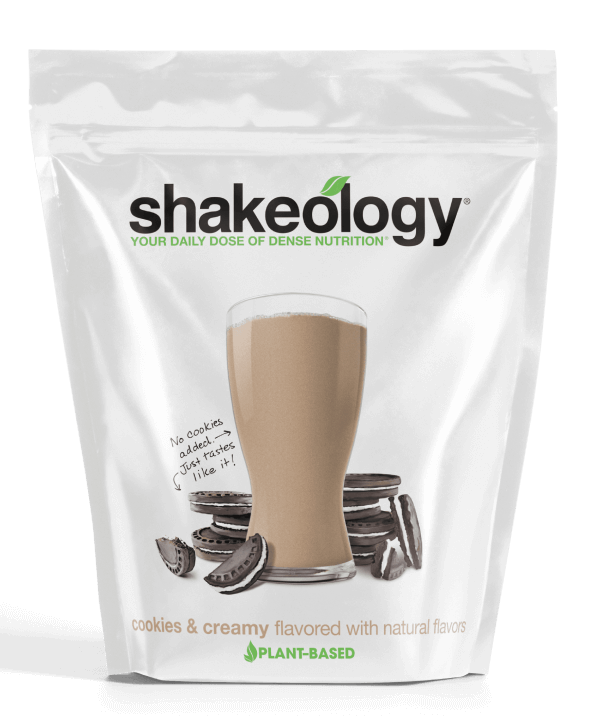
Cookies & Creamy Shakeology
Creamy and velvety with decadent chocolate cookie flavor that tastes like your favorite superfood dessert.
Shop Now
Love the idea of adding frozen veggies to your shake? Try our Zucchini Bread Shake next.


Print Cookies & Creamy Power Shake
Course Dessert, shake, Smoothie, Snack
Keyword Cookies & Creamy Shakeology
Prep Time 5 minutes
Total Time 5 minutes
Servings 1 shake
Calories 393kcal
Ingredients
- 1 cup / 240 ml unsweetened almond milk
- 1 cup / 170 g ice
- 1 scoop Cookies & Creamy Shakeology
- ½ cup / 65 g frozen cauliflower florets (or cauliflower rice)
- ½ cup / 15 g baby spinach
- ½ large banana
- 2 Tbsp. hemp seeds (or sunflower seeds)
Instructions
-
Place almond milk, ice, Shakeology, cauliflower, spinach, banana, and hemp seeds in blender; cover. Blend until smooth; serve immediately.
Notes
Fantastic Fiber (F), Gluten-Free (GF), No Dairy (ND), Protein Power (P), Quick ‘n’ Easy (QE), Vegan (V), Vegetarian (VG) The Nutrition Facts box below provides estimated nutritional information for this recipe.** Total Sugar 17 g, Added Sugar 5 g
Nutrition
Serving: 1shake | Calories: 393kcal | Carbohydrates: 38g | Protein: 27g | Fat: 16g | Saturated Fat: 2g | Sodium: 515mg | Fiber: 11g | Sugar: 17g
Container Equivalents (Regular & Vegan)
1 Green
1 Purple
1 Red
1 Orange
1 tsp
2B Mindset Plate It!This recipe makes a great breakfast or lunch.

The post Cookies & Creamy Power Shake appeared first on BODi.

The Lowdown on Intermittent Fasting: Potential Side Effects to Keep in Mind
Intermittent Fasting Side Effects: What You Need to Know Blog – HealthifyMe Blog – HealthifyMe – The definitive guide to weight loss, fitness and living a healthier life.
Intermittent fasting has become a popular weight loss trend in recent years. It involves fasting for a certain period, usually between 16-24 hours, followed by a period of normal eating. While many people swear by the effectiveness of intermittent fasting for weight loss, people often overlook the potential side effects of this diet. Any diet that requires extreme measures can lead to various negative consequences, and intermittent fasting is no exception.
While weight loss is essential to a healthy lifestyle, it should not come at the cost of one’s well-being. Therefore, sustainable measures promoting overall health and long-term weight management are crucial. The following sections of this article will delve into the side effects of intermittent fasting and why it is vital to pay attention to them. By understanding the potential risks, you can make an informed decision about whether intermittent fasting is the right approach for you or if more sustainable options are available.
Intermittent Fasting: An Overview
Intermittent fasting is a dietary approach that involves alternating between periods of eating and fasting. The concept of intermittent fasting is simple- alternating between eating and fasting, with regular periods of consuming little to no calories. There is a lot of focus on when you eat than on calorie restriction.
The eating window refers to consuming all your meals and snacks, while the fasting window is when you refrain from eating. Water and non caloric beverages like green tea or black coffee are allowed in the fasting window. There are different forms of intermittent fasting, each with its own eating and fasting windows. In addition, the length of the eating and fasting periods can vary depending on the chosen method of intermittent fasting.
Some of the most popular variations include:
Time-Restricted Eating (TRE)
Time-restricted eating involves restricting the time when meals are consumed within 24 hours. Typical eating times range from 4–12 hours, without caloric restriction. The most common form of TRE is 16:8, with 8 hours of eating window. It involves eating within a specific time frame every day, typically within an 8-hour window, and fasting for the remaining 16 hours. The eating and fasting windows can suit individual preferences and lifestyles. Other variations of TRE include 18:6 and 20:4 eating schedules. TRE reduces insulin levels, boosts metabolism, and improves overall health.
Alternate Day Fasting (ADF)
ADF involves eating as usual for one day, followed by a day of fasting, and so on. Some people modify ADF by consuming around 25% of their daily calories (about 500 calories) on their fasting days. As a result, ADF can help with weight loss and improve insulin sensitivity.
The 5:2 Diet
The 5:2 diet involves eating normally five days a week and consuming only 500–800 calories on the remaining two days. This form of intermittent fasting shows to be effective for weight loss, improving energy levels, and reducing inflammation.
Eat-Stop-Eat
This intermediate fasting involves fasting for 24 hours once or twice a week.
The Warrior Diet
It involves fasting during the day and eating a larger meal at night.
Summary
Intermittent fasting is a dietary approach that involves alternating between periods of eating and fasting. The timing of the food is as important as the quality of food. Different forms of intermittent fasting include time-restricted eating, alternate-day fasting, the 5:2 diet, eat-stop-eat, and the warrior diet. Each has its own eating and fasting windows, with varying lengths. Intermittent fasting can have several health benefits, including weight loss, improved metabolism, and reduced inflammation.
Why do People Choose Intermittent Fasting?
Intermittent fasting has gained popularity as an eating pattern for numerous reasons. Below are some of the most common reasons why people choose intermittent fasting.
Weight Loss
One of the main reasons people choose intermittent fasting is for weight loss. It is a highly effective tool for reducing overall calorie intake, which can lead to weight loss.
Improved Energy and Focus
Fasting gives the body a break from digesting food, which allows it to focus on healing and detoxifying. It can also improve energy levels and mental clarity, improving focus and productivity.
Better Metabolic Health
Research shows intermittent fasting can help regulate hormones and insulin levels, leading to better metabolic health. It can also aid in fat burning, benefiting those looking to lose weight.
Improved Digestion
Intermittent fasting can give the digestive system a break, allowing it to work more efficiently. In addition, it can lead to improved digestion and reduced inflammation.
Reduced Inflammation
Research shows intermittent fasting can reduce inflammation, lowering the risk of certain diseases like heart disease.
Benefits for Those with High Blood Sugar
Intermittent fasting can help regulate insulin levels and improve glucose uptake, making it beneficial for those with high blood sugar. It can also help reduce blood sugar levels and manage appetite.
Benefits for Athletes
Intermittent fasting can optimise muscle recovery and reduce fat burning during exercise, improving sports performance.
Summary
Intermittent fasting has gained popularity for a variety of reasons. It can aid in weight loss, improve energy levels and focus, benefit metabolic health, aid digestion, reduce inflammation, help those with high blood sugar, and benefit athletes. However, any restrictive diet, including intermittent fasting, can lead to side effects if followed for too long. Therefore, adopting sustainable and long-term measures for weight loss and overall health is crucial. While intermittent fasting may offer benefits, it is important to weigh them against the potential risks and decide whether it is right for you.
10 Unavoidable Side Effects of Intermittent Fasting
Before selecting an intermittent fasting plan, it’s crucial to consult a medical professional about its potential side effects. Although some strategies may cause more side effects than others, knowing the top ten common side effects can assist you in managing them efficiently.
Unhealthy Eating Habits
Healthy eating habits are crucial for maintaining overall health and well-being. Fasting may result in unhealthy food cravings, particularly for sugary, ultra-processed snacks. Instead of fasting to maintain a healthy weight, it is better to establish sustainable eating habits that include nutrient-dense foods. Planning healthy snacks and incorporating them into your diet can help you achieve your health goals without risking your health. Therefore, it is advisable to avoid extreme dieting methods like fasting and focus on developing healthy, long-term habits.
Hunger and Cravings
While intermittent fasting has gained popularity, it is essential to note that it can sometimes increase appetite and cravings for food. In addition, when starting fasting, the body may take time to adjust to the new routine, leading to increased hunger. A study on obese adults showed that the 5:2 diet and calorie restriction resulted in similar weight loss and heart health benefits, but the 5:2 group reported more hunger.
Paying attention to your body and adjusting your fasting schedule accordingly is essential. For example, shortening the fasting window or eating a limited amount during the fast can help reduce hunger. Remember, choosing a sustainable weight loss approach that works best for you is crucial.
Headache
Your body needs time to adjust when you start intermittent fasting, and it’s not uncommon to experience a headache, research. It could be due to a drop in blood glucose levels and caffeine withdrawal during fasting. Fasting can make you more susceptible to both of these things, which can contribute to feelings of dizziness or headaches. It’s also crucial to stay hydrated, as dehydration can worsen headaches.
These heady feelings usually only happen in the first few days and are typically mild and manageable. However, if you’re prone to headaches and fast for more than 16 hours a day, you may be at a higher risk for fasting headaches.
Regulating caffeine intake and maintaining hydration and sleep patterns are essential to avoid frequent fasting headaches.
Digestive Issues
Studies show intermittent fasting has digestive troubles like bloating, constipation, diarrhoea, nausea, and dehydration. Don’t worry; it’s not uncommon. Your body is adaptable, but changes in your eating routine can throw your gut off balance. When you alter your eating schedule, your gut bugs need to adjust, which can cause tummy troubles.
Once your body settles in and you are not eating anything new, intermittent fasting can help balance your gut bacteria and reduce inflammation, which may minimise stomach troubles. However, the improvement in gut health over time requires more research.
Irritability and Other Mood Changes
Intermittent fasting can sometimes affect your mood and make you irritable and moody. It is because when your blood sugar level drops, you may experience anxiety and have difficulty concentrating. However, the accomplishment and pride you get when you achieve your fasting goals can make the struggle worthwhile.
Some studies show that intermittent fasting can improve symptoms of anxiety and depression, but that’s not always the case for everyone. As a newbie to fasting, you may feel stressed and crankier initially. However, research shows that many people with obesity experience improvements in energy and mood.
Fatigue and Low Energy
Intermittent fasting may leave you feeling low on energy and fatigued, at least initially. Your blood sugar levels may drop when you skip meals. It makes you feel weak and disrupts your sleep. It’s like that afternoon slump you experience where you only want to close your eyes and nap.
For some people, the fatigue usually subsides once your body gets used to this new routine. In addition, intermittent fasting improves mental health and reduces physical and psychological fatigue in some cases. So, if you do not feel improvement in your mood over time, please consult a certified nutritionist.
Bad Breath
If you’re doing intermittent fasting, you might experience bad breath. It is a common symptom called halitosis. A study reveals that when you fast, your body uses fat for energy, producing acetone as a byproduct. This acetone can cause your breath to smell funky, like nail polish remover. Additionally, fasting can lead to dehydration, which can also cause bad breath. And since dehydration can decrease your saliva flow, your mouth can dry out, worsening the bad breath. So if you’re fasting, be aware that bad breath might be one of the side effects you’ll have to deal with.
Poor Sleep
If you’re trying out intermittent fasting, you may experience some trouble with your sleep. It could be because your new meal schedule interferes with your body’s internal clock. Some studies show that sleep disturbances are a common side effect initially, but they tend to decrease over time. However, other research suggests that intermittent fasting may improve sleep quality.
More research is required to comprehend the relationship between intermittent fasting and sleep fully, but it’s possible that meal timing and size could be factors. Over time, though, intermittent fasting may help reinforce your internal body clock and lead to better sleep.
Dehydration
When you fast, your body loses water and salt through your urine, especially in the first few days. It can result in dehydration, which can cause dizziness, headaches, and fatigue. Drinking more water is essential if you experience these symptoms during a fast. Severe dehydration can even affect your ability to concentrate, remember things, and affect your mood. So, it’s vital to ensure you drink enough water during fasting. If you notice a significant colour change in urination, it is a sign that you need to increase your water intake. It is no secret that staying hydrated is vital for your overall health. But it is even more necessary when fasting.
Malnutrition
If you want to try intermittent fasting, ensure you don’t jump into it too quickly, or you could have a nutritional deficiency. Calorie intake is often the focus of fasting, but remember your body’s dietary requirements. Also, remember that fasting only affects when you eat, not what you eat. And prolonged fasting can lead to malnutrition, resulting in unintentional weight loss, fatigue, mood changes, and difficulty concentrating.
Eating nutrient-dense foods like fruits, vegetables, nuts, seeds, legumes, grains, and fats to stay healthy. To stay on track, consult a dietician and create a nutritious meal plan you can follow during fasting. Avoid restricting calories excessively, as it can affect your body’s functioning.
Summary
Intermittent fasting is a popular weight loss approach that involves fasting and eating windows. Although the benefits are numerous, it is essential to note that there are side effects to be aware of. Ten common side effects include unhealthy eating habits, hunger and cravings, headaches, digestive issues, irritability and mood changes, fatigue and low energy, bad breath, poor sleep, and dehydration. For some, these side effects may be mild and manageable; most people adjust after a few days. However, if symptoms persist or become severe, it is best to consult a medical professional.
Who Should Not Choose Intermittent Fasting?
Intermittent fasting is a widespread practice for improving health and losing weight, but it’s not suitable for everyone.
Here’s who should avoid it:
- If you’re pregnant or breastfeeding, it’s best to avoid intermittent fasting. It could negatively affect your baby’s health and development.
- Elderly individuals who experience weakness, immunodeficient people, those with dementia, or a history of traumatic brain injury should also avoid intermittent fasting.
- Those with eating disorders like anorexia nervosa or bulimia nervosa should avoid intermittent fasting, as it could exacerbate their condition.
- For people with diabetes or on chronic medications, it’s crucial to discuss fasting with a healthcare provider beforehand, as it could adversely affect their condition.
- Finally, children and teenagers still growing and underweight should not participate in intermittent fasting as it could impede their physical development and overall health.
Remember, intermittent fasting may not be for everyone. Before starting a new dietary regimen, one must always consult a healthcare professional or certified nutritionist.
Summary
While intermittent fasting has gained popularity as a way to improve health and lose weight, it’s not suitable for everyone. Pregnant or breastfeeding women, elderly individuals, immunodeficient people, those with dementia or a history of traumatic brain injury, people with eating disorders, and children and teenagers should avoid intermittent fasting. Additionally, those with diabetes or on chronic medications should discuss fasting with a healthcare provider beforehand.
The Final Word
Intermittent fasting can have numerous health benefits, including weight loss, improved metabolism, and reduced inflammation. However, one must be aware of the potential side effects of this diet, and any other diet that requires extreme measures, to make a well-informed decision about whether it is the right approach for you. In addition, adopting sustainable measures promoting overall health and long-term weight management is crucial. Therefore, finding a balanced diet and exercise routine that works for your lifestyle is essential for achieving long-term weight loss goals.
Disclaimer: The purpose of this article is just to disperse knowledge and raise awareness. It does not intend to replace medical advice from professionals. For further information, please contact our certified nutritionists Here.
Frequently Asked Questions (FAQs)
Q. What are the common side effects of intermittent fasting?
A. Intermittent fasting can cause hunger, cravings, headaches, digestive problems, irritability, mood swings, fatigue, and low energy. In addition, it also results in bad breath, inadequate sleep, dehydration, and malnutrition. However, these side effects may not affect everyone, but following a sustainable weight-loss measure is crucial to ensure healthy and long-term weight loss.
Q. Is it normal to feel hungry during intermittent fasting?
A. Yes, intermittent fasting can sometimes make you hungry and crave food. During the start of fasting, your body might endure an adjustment period. It is where you feel hungrier than usual. However, the temporary hunger may not last for long for everyone. But, it is still better to choose sustainable measures.
Q. Can intermittent fasting cause headaches or migraines?
A. Yes, during intermediate fasting, headache is common. It is because of a drop in blood glucose levels and caffeine withdrawal during fasting. Additionally, dehydration can also result in headaches. However, for some people, it lasts for only a few days of fasting.
Q. Is it safe to do intermittent fasting if you have diabetes?
A. However, it is considered that intermediate fasting helps regulate insulin levels and improve glucose uptake. People with diabetes should discuss this with healthcare providers before a fasting regime, which may result in adverse impacts.
Q. Can intermittent fasting lead to nutritional deficiencies?
A. Yes, intermediate fasting could lead to nutritional deficiencies. Also, prolonged fasting can result in malnutrition, leading to unintentional weight loss, fatigue, and difficulty focusing. Therefore, ensure you should eat nutrient-dense foods during your non-fasting period.
Q. Does intermittent fasting cause muscle loss?
A. Several studies reveal that intermittent fasting leads to the loss of lean muscle mass. However, if you eat an adequate or high-protein diet, you don’t need to be concerned about losing muscle with short-term intermittent fasting. But it is best to choose more sustainable and healthy measures for those who aim for long-term results.
Q. Can intermittent fasting affect my menstrual cycle?
A. Yes, intermediate fasting can affect menstrual cycles in women. It is because women’s reproductive systems are sensitive to calorie restrictions. That means prolonged fasting can affect the oestrogen that is vital to the menstruation process.
Q. Are there any negative impacts of intermittent fasting on sleep quality?
A. Yes, intermediate fasting can trouble your sleep. It is due to your new dietary schedule, which interferes with your body clock. However, for some, it is a minor side effect of fasting, lasting only a few days. But for some, it may be a long term side effect. Hence, one should look for more sustainable and healthy ways.
Q. Can intermittent fasting lead to increased stress levels?
A. Yes, intermediate fasting leads to increased stress levels. It is because intermediate fasting can increase cortisol levels, a stress hormone. Therefore, if you are doing intermediate fasting for a long time, it makes you stressed.
Q. Is it safe to exercise while doing intermittent fasting?
A. Yes, it is entirely safe to exercise while doing intermediate fasting. It reduces fat burning during exercise and improves sports performance by optimising muscle recovery.
Research Sources
1. Patterson RE, Laughlin GA, LaCroix AZ, Hartman SJ, Natarajan L, Senger CM, Martínez ME, Villaseñor A, Sears DD, Marinac CR, Gallo LC. Intermittent Fasting and Human Metabolic Health. J Acad Nutr Diet. 2015 Aug;115(8):1203-12. doi: 10.1016/j.jand.2015.02.018. Epub 2015 Apr 6. PMID: 25857868; PMCID: PMC4516560.
https://www.ncbi.nlm.nih.gov/pmc/articles/PMC4516560/
2. Aly SM. Role of intermittent fasting on improving health and reducing diseases. Int J Health Sci (Qassim). 2014 Jul;8(3):V-VI. DoI: 10.12816/0023985. PMID: 25505868; PMCID: PMC4257368.
https://www.ncbi.nlm.nih.gov/pmc/articles/PMC4257368/
3. Sundfør TM, Svendsen M, Tonstad S. Effect of intermittent versus continuous energy restriction on weight loss, maintenance and cardiometabolic risk: A randomised 1-year trial. Nutr Metab Cardiovasc Dis. 2018 Jul;28(7):698-706. doi: 10.1016/j.numecd.2018.03.009. Epub 2018 Mar 29. PMID: 29778565.
https://pubmed.ncbi.nlm.nih.gov/29778565/
4. Torelli P, Manzoni GC. Fasting headache. Curr Pain Headache Rep. 2010 Aug;14(4):284-91. DoI: 10.1007/s11916-010-0119-5. PMID: 20490742.
https://pubmed.ncbi.nlm.nih.gov/20490742/
5. Wilhelmi de Toledo F, Grundler F, Bergouignan A, Drinda S, Michalsen A. Safety, health improvement and well-being during a 4 to 21-day fasting period in an observational study including 1422 subjects. PLoS One. 2019 Jan 2;14(1):e0209353. DoI: 10.1371/journal.pone.0209353. PMID: 30601864; PMCID: PMC6314618.
https://www.ncbi.nlm.nih.gov/pmc/articles/PMC6314618/
6. Anic K, Schmidt MW, Furtado L, Weidenbach L, Battista MJ, Schmidt M, Schwab R, Brenner W, Ruckes C, Lotz J, Lackner KJ, Hasenburg A, Hasenburg A. Intermittent Fasting-Short- and Long-Term Quality of Life, Fatigue, and Safety in Healthy Volunteers: A Prospective, Clinical Trial. Nutrients. 2022 Oct 10;14(19):4216. doi: 10.3390/nu14194216. PMID: 36235868; PMCID: PMC9571750.
https://pubmed.ncbi.nlm.nih.gov/36235868/
7. Harvie M, Howell A. Potential Benefits and Harms of Intermittent Energy Restriction and Intermittent Fasting Amongst Obese, Overweight and Normal Weight Subjects-A Narrative Review of Human and Animal Evidence. Behav Sci (Basel). 2017 Jan 19;7(1):4. DoI: 10.3390/bs7010004. PMID: 28106818; PMCID: PMC5371748.
https://www.ncbi.nlm.nih.gov/pmc/articles/PMC5371748/
8. Anderson JC. Measuring breath..